12 Best Clear iPhone Cases
12 Best Clear iPhone Cases

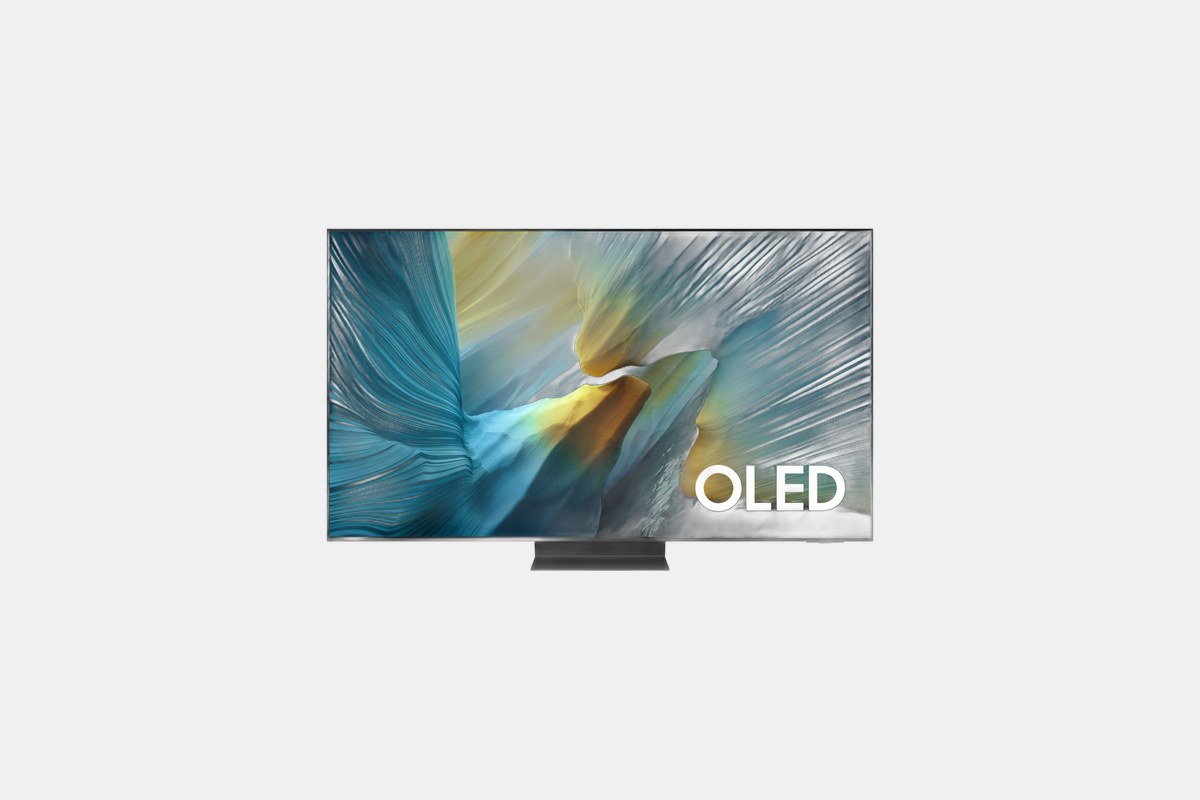
For years, OLED TVs were the stuff of dreams—perfect black levels and infinite contrast, but with a price tag to match. That’s finally changing in 2026. Now, you can find an affordable OLED TV that doesn’t feel like a massive compromise, delivering that cinematic punch I’ve come to expect in my testing lab.
The magic of OLED is that each pixel lights itself up. This means when a part of the screen is supposed to be black, it’s truly off, not just a dim gray like on most LED TVs. This creates a level of depth and realism that’s hard to go back from once you’ve seen it.
I’ve spent weeks with the latest models, running them through our gauntlet of 4K movies, next-gen games, and streaming content. This is the breakdown of the top 5 OLED TVs you can actually buy right now.
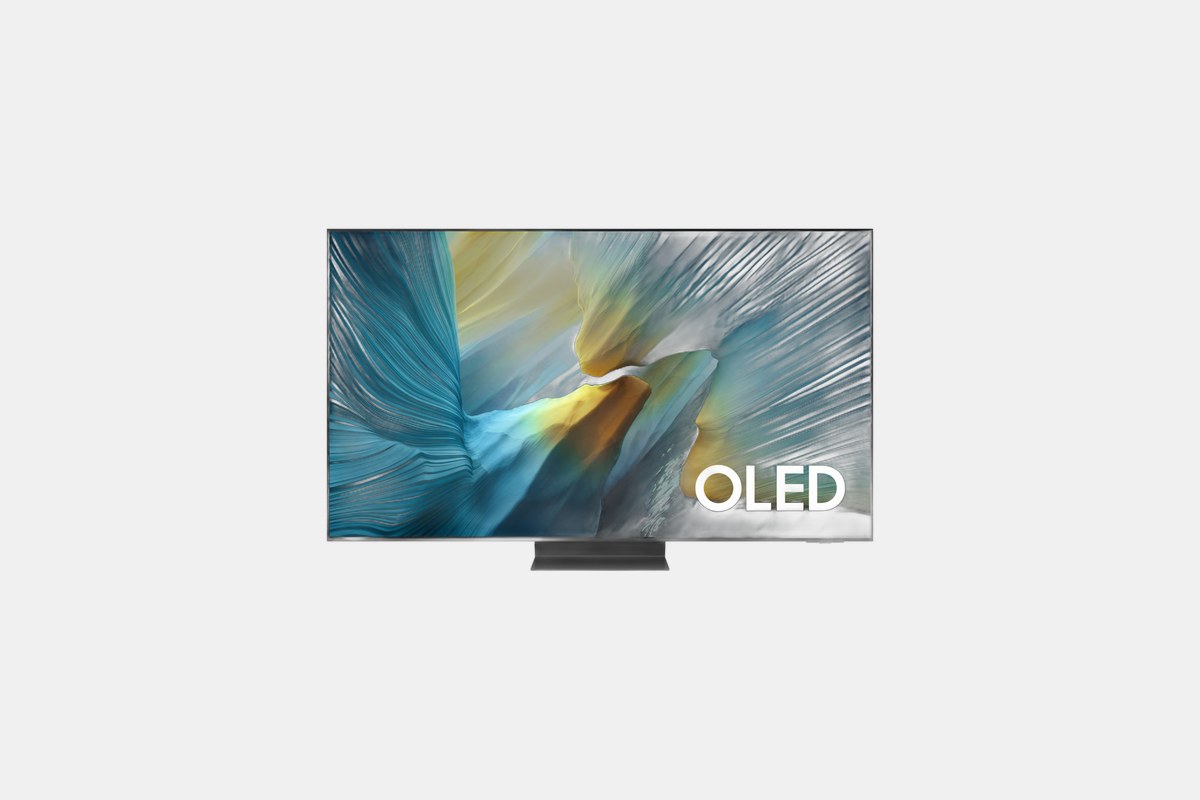
The 65-inch Samsung S95F comes in at $3,299, and it’s built to perform in just about any environment. This is my top pick if your living room is drenched in sunlight. Its QD-OLED panel gets incredibly bright, making colors pop in a way that’s genuinely stunning, and the matte anti-glare screen is a lifesaver for daytime viewing.
But it’s also a monster for gaming. With four HDMI 2.1 ports running at a blistering 165Hz and full support for Variable Refresh Rate (VRR), it keeps gameplay buttery smooth. Input lag is practically nonexistent. It feels directly wired to your controller.
The Downside: Samsung still refuses to support Dolby Vision. While its HDR10+ performance is excellent, it’s a frustrating omission for movie buffs with a library of Dolby Vision content.
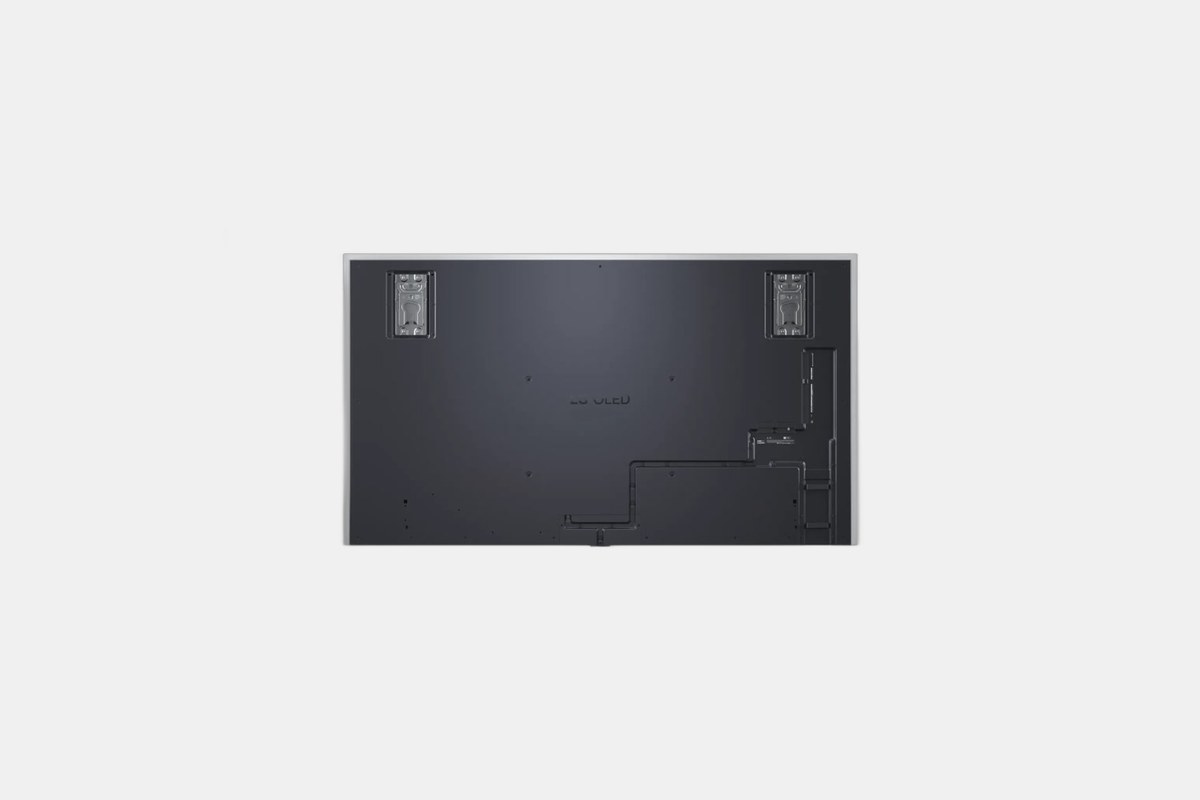
At $3,399 for the 65-inch model, the LG G5 is aimed squarely at the premium home theater crowd. Its new primary RGB tandem panel technology pushes brightness to levels that compete with the best QD-OLEDs, making it another fantastic option for bright rooms.
LG’s Alpha 11 AI Processor is doing some serious work behind the scenes. Image processing is top-tier, upscaling lower-resolution content cleanly and handling motion without artifacts. And unlike Samsung, it fully supports Dolby Vision, making it an ideal centerpiece for a high-end movie setup.
The Downside: That premium performance comes with a premium price tag. It’s one of the most expensive TVs on this list, putting it out of reach for many.

The LG C5 is the people’s champion, and right now you can find the 65-inch model on sale for just $1,399. For that price, nothing else comes close. It delivers that core OLED experience—perfect blacks, vibrant colors—without the flagship cost.
This is arguably the best all-arounder for most people. It has fantastic picture quality for movies with Dolby Vision IQ and is a gaming powerhouse with a 144Hz panel and four HDMI 2.1 ports. LG’s webOS is also snappy and easy to use. It just nails the balance of price and performance.
The Downside: To hit that price, it can’t get quite as blindingly bright as the G5 or Samsung’s S95F. In a very bright room, you might notice the difference, but in most conditions, it’s superb.
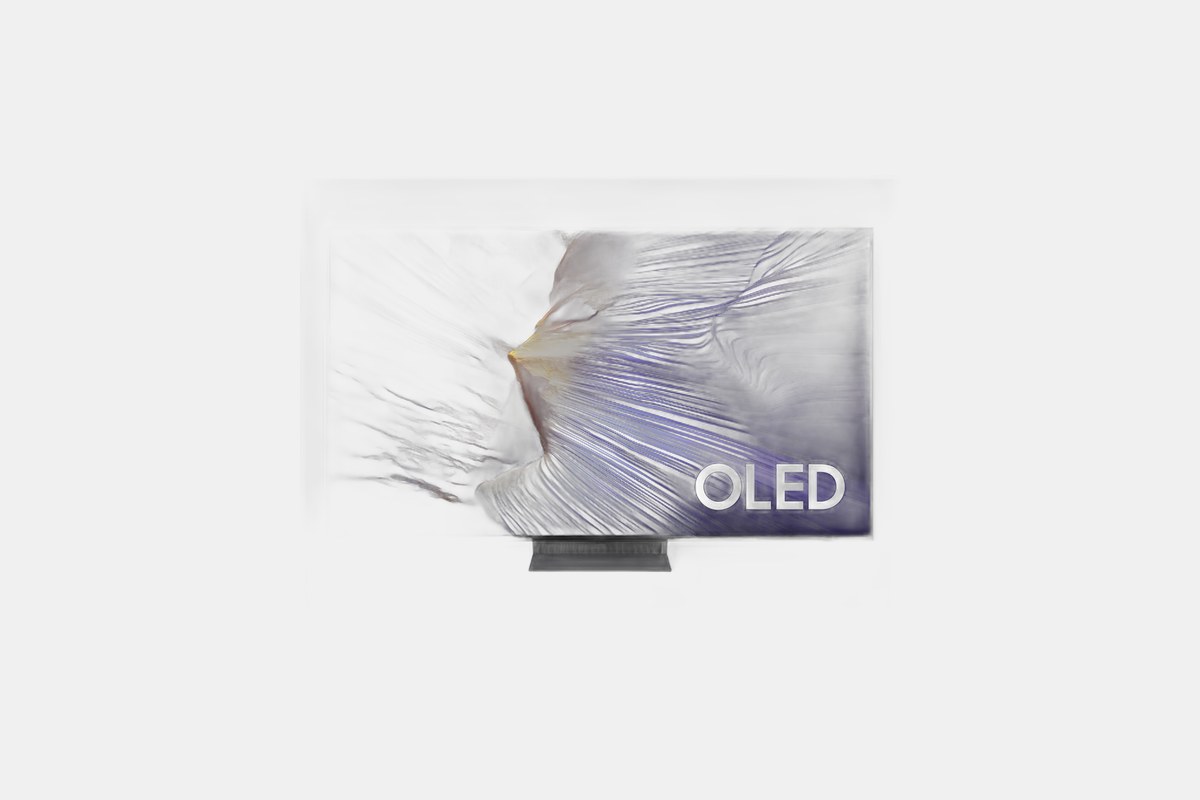
Often on sale for $1,399, the 65-inch Samsung S90F is the most affordable way to get a QD-OLED panel. It offers nearly all the picture quality benefits of its more expensive S95F sibling, including that incredible color volume and punchy HDR highlights.
I see this as the direct competitor to the LG C5. It’s also a fantastic gaming TV, with a 144Hz refresh rate and a full slate of HDMI 2.1 features. If you prioritize sheer color vibrancy over everything else, the S90F’s QD-OLED panel gives it an edge.
The Downside: Just like its big brother, there’s no Dolby Vision support. It’s the one thing holding it back from being the undisputed mid-range king.

Sony’s 65-inch BRAVIA 8 II will set you back $2,699, and it’s for one type of person: the movie enthusiast who obsesses over picture processing. Sony’s Advanced XR processor is simply the best in the business at pulling out shadow detail and creating an almost three-dimensional image.
It uses a QD-OLED panel, so you get brilliant colors and brightness, but it’s the brain behind the panel that makes the difference. Movies look incredibly cinematic and natural, and it supports Dolby Vision. The Google TV interface is also a clean, content-first experience that I prefer over most others.
The Downside: You’re paying a premium for Sony’s processing. The S90F and C5 offer similar raw panel performance for hundreds of dollars less.
Choosing the right OLED often comes down to two things: your room and your habits. If you have a bright living room, the extra peak brightness from the Samsung S95F or LG G5 is worth the money to make HDR content pop during the day.
For most people, however, the value proposition is impossible to ignore. An affordable OLED TV like the LG C5 or Samsung S90F delivers 95% of the experience of the flagships for a fraction of the price. When you can get a 65-inch OLED of this quality for under $1,500, it’s a fantastic time to upgrade.
Finally, consider the Dolby Vision issue. If you stream a lot from Netflix or use an Apple TV, you’re using Dolby Vision. For the best experience, an LG or Sony is your best bet. If you mostly game or watch content on services that use HDR10+, Samsung’s TVs are phenomenal choices.
12 Best Clear iPhone Cases
Top 8 Neckband Earbuds
7 Best Crossbody Phone Cases
Best Toddler Cameras