12 Best Clear iPhone Cases
12 Best Clear iPhone Cases

Finding the right headphones for toddlers isn’t like buying a pair for yourself. You’re not looking for audiophile-grade sound or a booming bass response. The top priority is protecting their hearing. That means a strict, non-negotiable volume limit, usually capped at 85 decibels (dB), which is the level most experts agree is safe for extended listening.
I’ve spent weeks testing these headphones with my own kids on car rides, flights, and during quiet time at home. We checked for durability (toddlers are not gentle), comfort during long sessions, and how easy they were for little hands to operate. Battery life, connectivity, and, of course, that all-important volume cap were put through their paces.
So, after dozens of episodes of their favorite shows and countless renditions of their most-loved songs, here are the best headphones for toddlers you can buy in 2026.
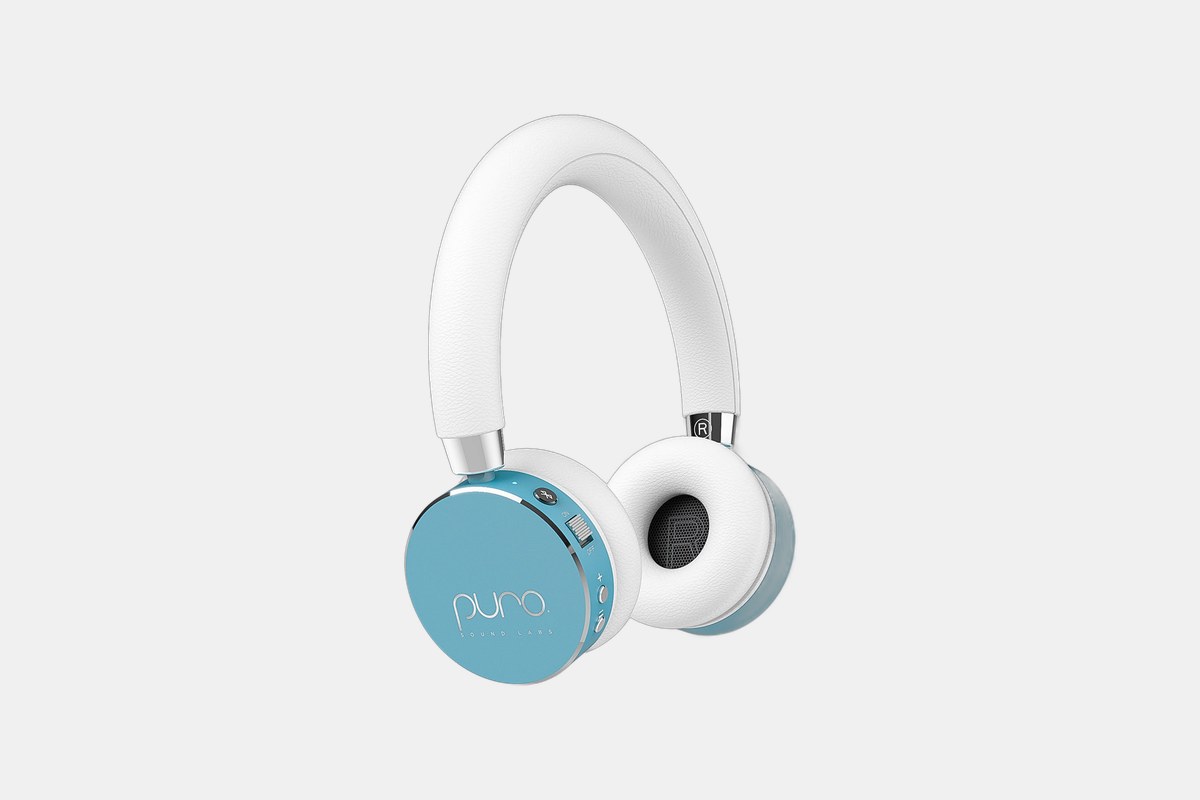
At $99, the Puro BT2200 is an investment, but it’s one that will last. This is Wirecutter’s top pick for a reason. The build quality is fantastic, with a sturdy aluminum frame that feels like it can survive years of use and abuse. It’s designed to fit kids from ages 2.5 all the way up to 11, so you won’t be buying a new pair next year.
The sound is strictly limited to 85dB, and whether you’re using Bluetooth or the included wire, that limit stays consistent and safe. The battery life is solid, giving you over 18 hours of playback, which easily covers a full day of travel. They sound clean and clear without getting dangerously loud.
The Downside: The price is steep. You can get very capable headphones for a fraction of the cost, but you are paying for premium materials and longevity here.
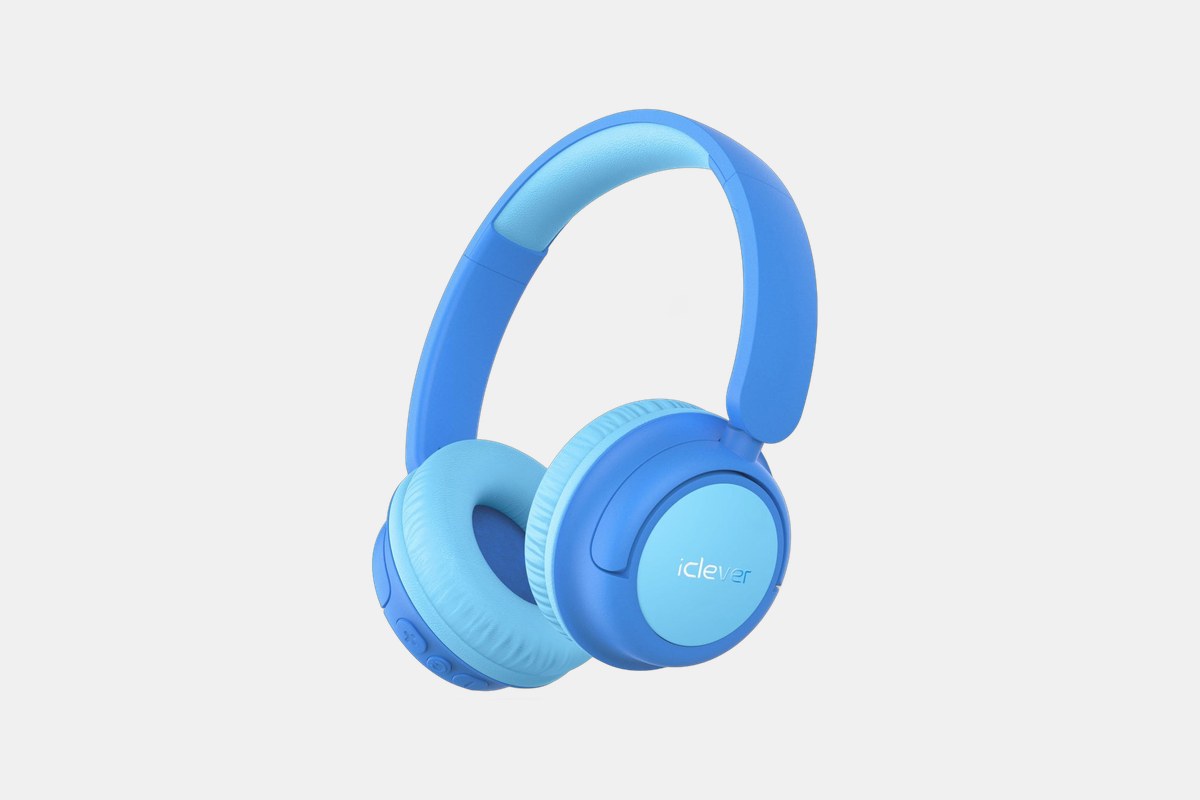
For just $17, the iClever BTH22 is almost unbelievably good. These were our top pick for overall value. They have two selectable volume limits—74dB for extra-cautious parents and the standard 85dB. The pillow-soft ear pads are genuinely comfortable, even after an hour-long show.
But the most shocking spec is the battery life. iClever claims 60 hours, and in my testing, that wasn’t an exaggeration. I charged them once and used them for a week straight without needing to plug them in. They also fold up into a compact package, making them easy to toss in a bag.
The Downside: Your color choices are pretty limited. If your kid has a specific favorite color, you might be out of luck.
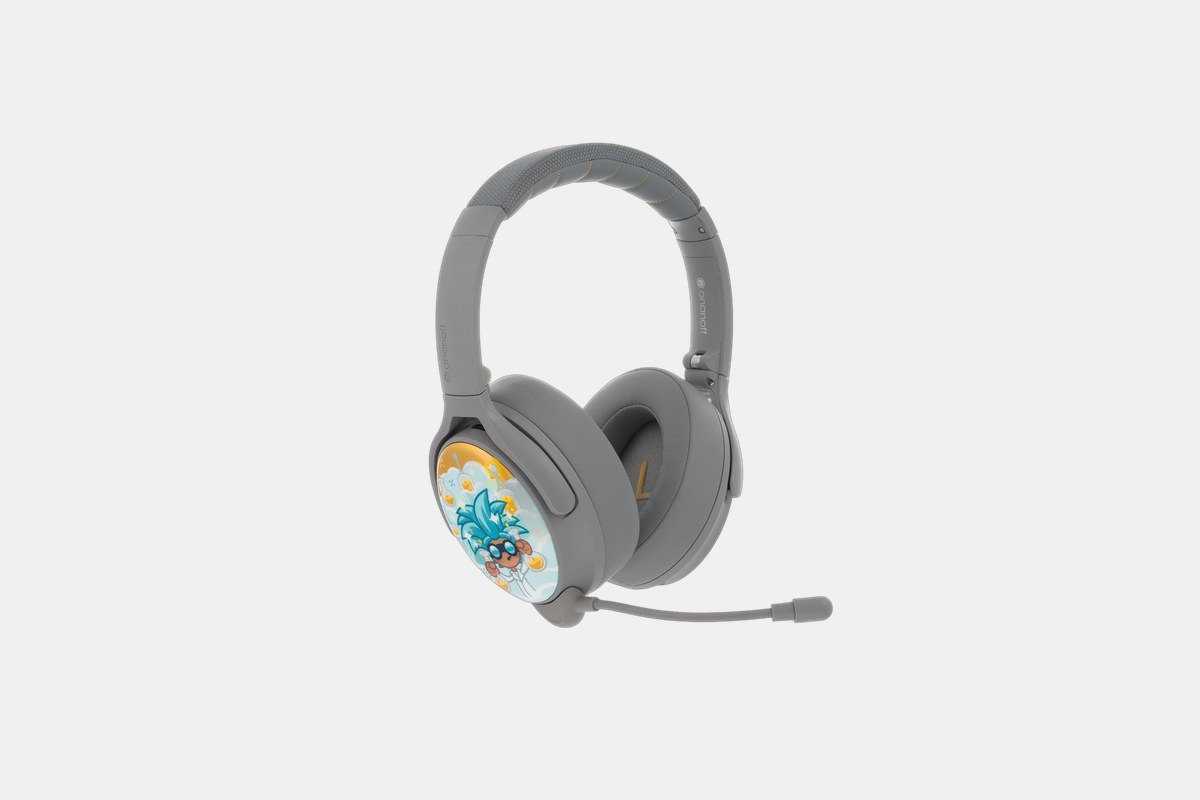
The BuddyPhones Cosmos+ costs a cool $100, but it brings a killer feature for travel: active noise cancellation (ANC). If you’re frequently on planes, trains, or noisy car rides, this is the pair to get. The ANC allows your toddler to hear their audio clearly without you needing to crank the volume up to compete with the background noise.
It has three distinct volume modes: a 75dB Toddler Mode, an 85dB Kid Mode, and a 94dB Travel Mode. The build is tough and foldable, and it even includes a detachable boom mic for calls or games. The battery gives you over 30 hours of playtime.
The Downside: The fit can be a little loose on the smallest toddler heads, so it might be better for a 3-year-old than a brand new 2-year-old.
Ringing up at $37, the Belkin SoundForm Mini is specifically designed for the smallest listeners. The headband is sized down and flexible, making it a perfect fit for young toddlers who find other headphones too bulky. Testers gave it top marks across the board for its simple controls and good audio quality.
It keeps things simple with a single, safe 85dB volume limit. You get a very respectable 30 hours of battery life from a single charge, and there’s a built-in microphone. Belkin also includes a set of fun stickers so your kid can customize their pair.
The Downside: There’s no carrying case included, which is a miss for a product aimed at kids who travel.
For $30, the EarFun K2 Kids delivers fantastic sound quality for the price. This was a favorite in lab tests for its reliable volume limiting and comfort. Like the BuddyPhones, it features three switchable modes: 74dB, 85dB, and 94dB, giving parents total control.
The over-ear design does a decent job of passively blocking outside noise, which helps kids listen at lower volumes. Bluetooth pairing is quick and painless, and the 40-hour battery life is excellent. It’s a great all-around performer that punches above its weight.
The Downside: This model doesn’t have active noise cancellation, so it won’t block out engine noise on a plane as effectively as the premium options.
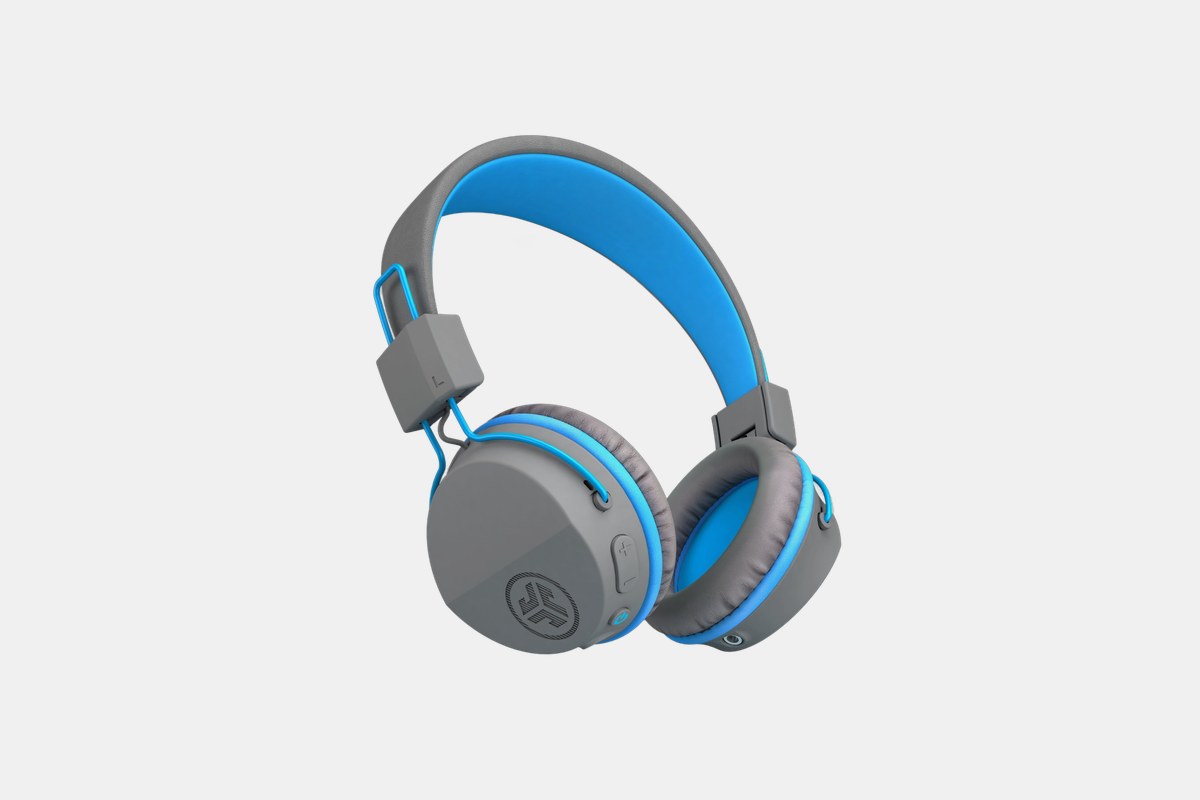
The JLab JBuddies Studio is a workhorse option for $30. While often recommended for slightly older kids, its volume-safe design and durability make it a solid choice for toddlers, too. The folding design and tough build make it a great companion for school or travel.
It has a reliable volume limiter and provides over 24 hours of battery life on a charge. A neat feature is the “Shareport,” which lets you daisy-chain another pair of wired headphones so two kids can watch the same device without a splitter.
The Downside: The feature set is pretty basic. You don’t get multiple volume modes or active noise cancellation.
Finding active noise cancellation in a pair of headphones for just $23 is rare, but the Altec Lansing MZX4500 delivers. It’s an incredible value, combining an 85dB volume limit with ANC to help block out distractions on the go.
The sound quality is surprisingly good for the price, and they even have an IPX4 splash-resistant rating, so you don’t have to panic about minor spills. Testers were consistently impressed by the performance you get for such a low cost.
The Downside: The battery life is on the shorter side at just 15 hours, especially with ANC turned on. You’ll be charging these more often than others on the list.
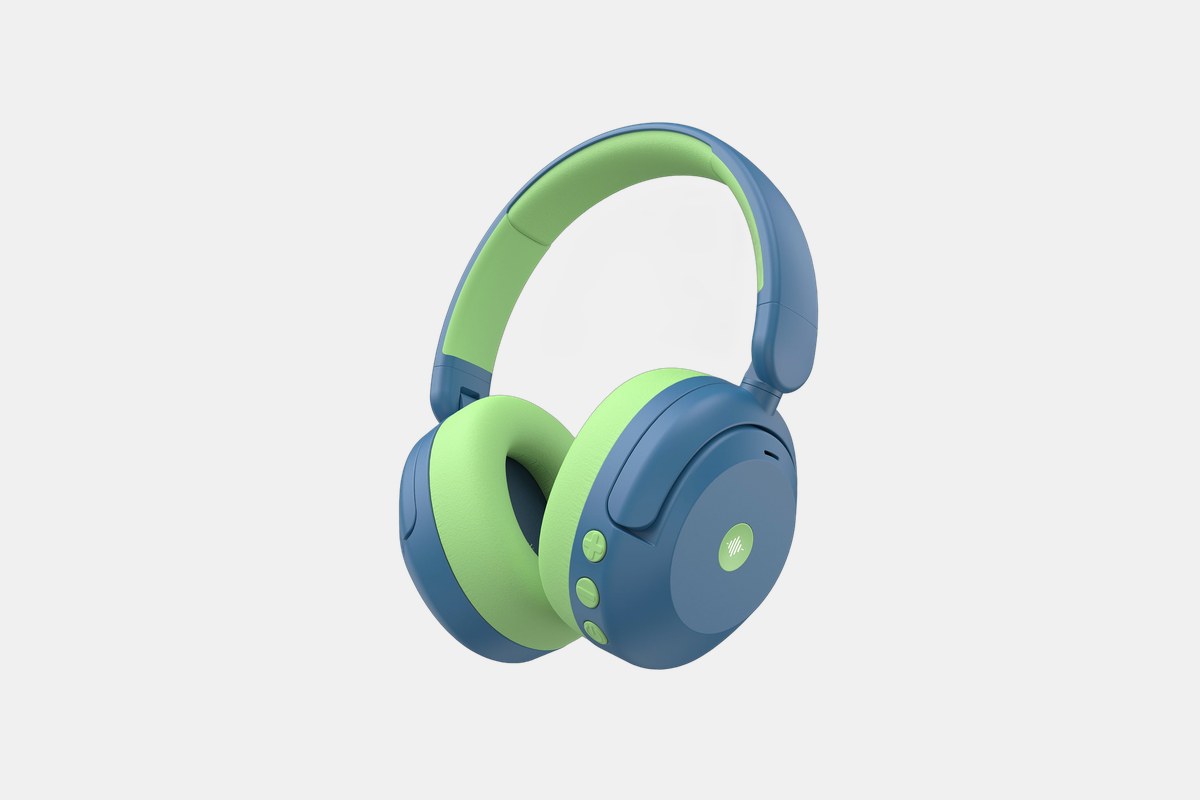
Priced at $38, the iClever BTH20 is a great first pair of headphones for preschoolers. It’s one of the lightest models I tested, and the extra-soft padding makes it comfortable for kids who are sensitive to things on their heads. The controls are dead simple for a 3- or 4-year-old to figure out.
It has a safe volume limit to protect their ears and an impressive 45-hour battery life. The fun, themed designs are also a big hit with this age group, making it something they’re excited to wear.
The Downside: The headband has a limited adjustment range. It’s perfect for the 3-5 age bracket but might be outgrown more quickly than other models.
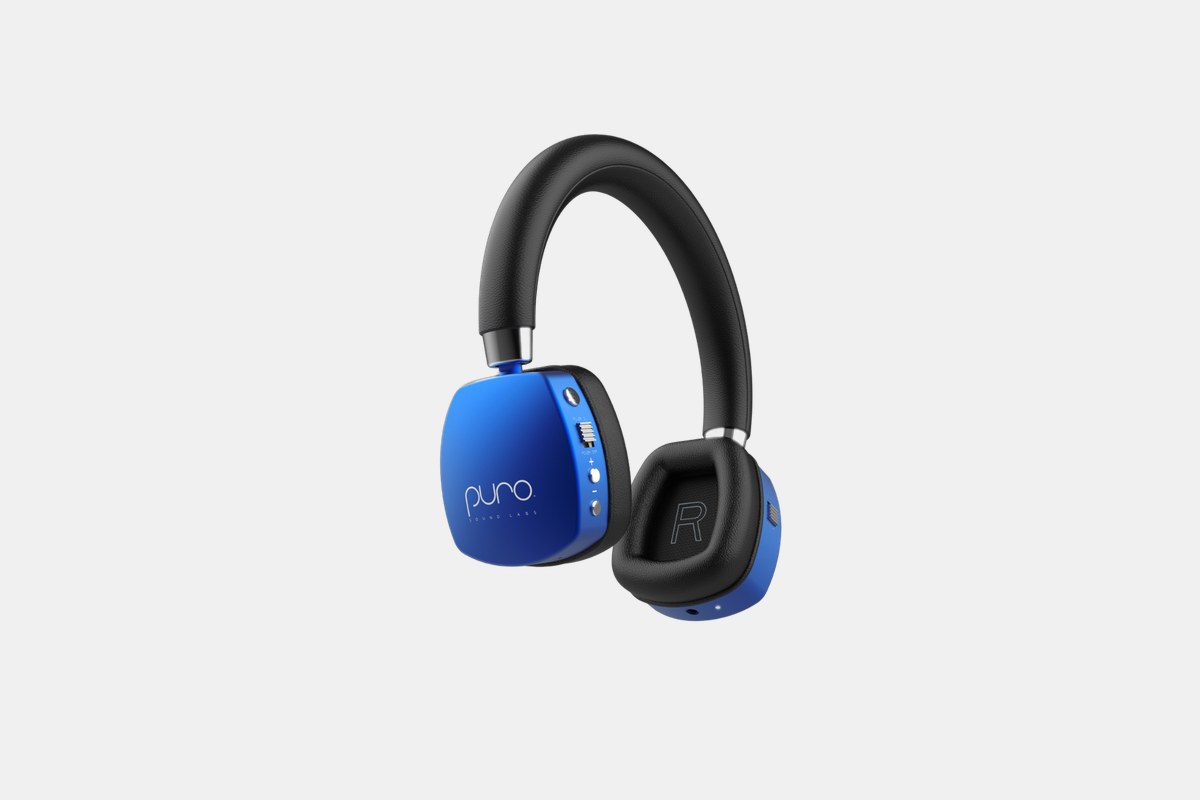
If you want the best of the best, the $150 PuroQuiet Plus is it. This is the upgraded version of the BT2200, adding excellent active noise cancellation to an already stellar package. The sound quality is top-notch, and the volume limiting is rock-solid.
Like its sibling, the build quality is premium with an aluminum frame, and the fit is adjustable enough to take a child from their preschool years well into their teens. The battery life is long-lasting, easily handling multiple days of use.
The Downside: It’s very expensive. This is a premium product with a price tag to match, making it a serious investment for a toddler.
At $25, the JLab JBuddies Play is my top recommendation if you just want a simple, durable, wired-only option. There’s no battery to charge and no Bluetooth to pair. You just plug it in and it works, every single time. It’s lightweight and has a flexible headband built to withstand being twisted and dropped.
The audio is clear and limited to a safe 85dB. In our hands-on tests, it scored perfectly for ease of use and value. Sometimes, the most reliable tech is the simplest, and this pair proves it.
The Downside: It’s wired only. In a world of tablets without headphone jacks, you might need to buy a separate USB-C or Lightning adapter.
The single most important feature is volume limiting. Look for headphones that explicitly state they are capped at 85dB. Some models offer lower settings, like 74dB, which is even better for very young children or for use in quiet environments. Never give a child headphones made for adults; they can easily reach levels that cause permanent hearing damage.
Next, consider comfort and durability. If the headphones aren’t comfortable, your toddler won’t wear them. Look for soft, padded ear cups and a lightweight design. The headband should be flexible and tough enough to survive being bent, stretched, and dropped—because it will be.
Finally, decide between wired and wireless. Bluetooth is convenient and avoids tangled cords, which can be a safety hazard. But it also means you have a battery to keep charged. A simple wired pair is foolproof and often more durable, but make sure your devices still have a headphone jack.
12 Best Clear iPhone Cases
Top 8 Neckband Earbuds
7 Best Crossbody Phone Cases
Best Toddler Cameras