10 Best Indoor Grills
10 Best Indoor Grills

I’ve pulled hundreds of shots on dozens of different espresso machines over the years. My kitchen counter is permanently stained with coffee grounds, and I wouldn’t have it any other way. Making real, cafe-quality espresso at home is one of life’s great pleasures, and it saves you a ton of money over a daily coffee shop habit.
But finding the right machine can be a headache. You’ve got pump pressure, portafilter sizes, and steam wands to think about. That’s why I spent the last few months testing the top contenders for 2026, from budget-friendly starters to pro-level setups.
This list is for anyone ready to ditch the pods and make excellent espresso in their own kitchen. I focused on machines that are reliable, pull a consistent shot, and won’t make you want to pull your hair out. Here are the best espresso machines I’d recommend to a friend.
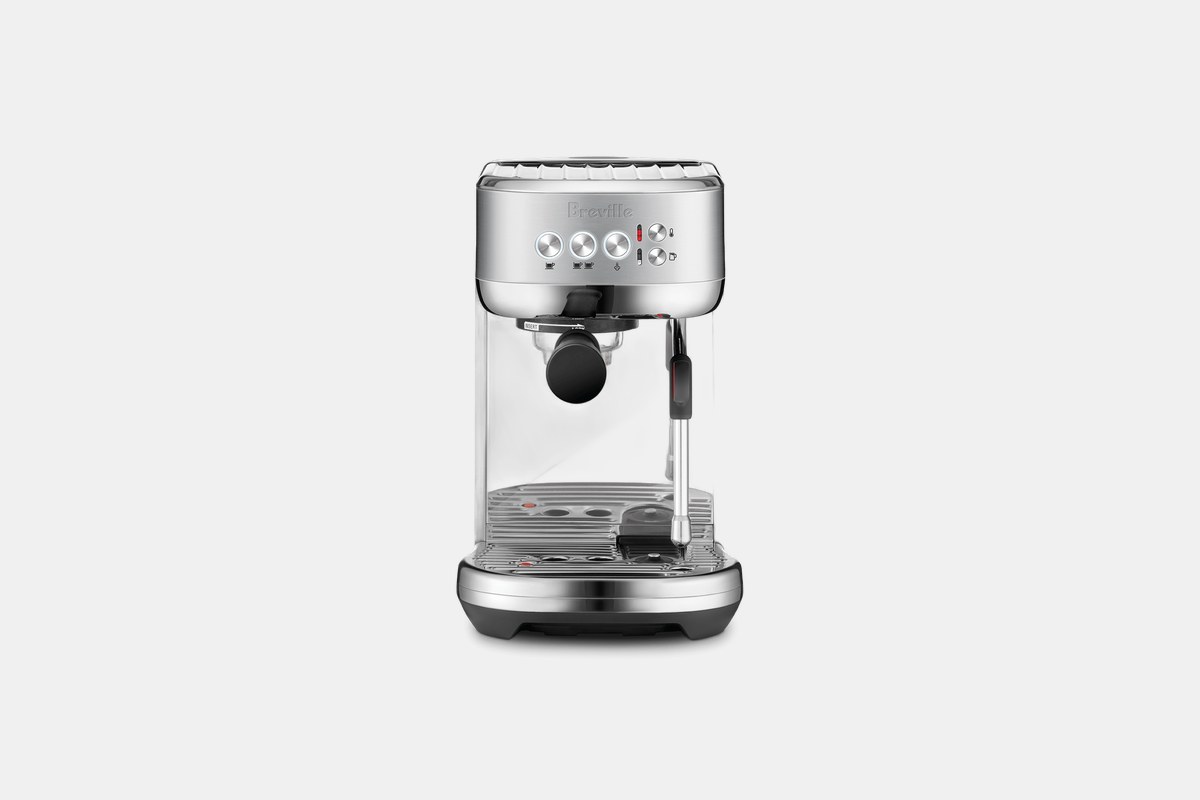
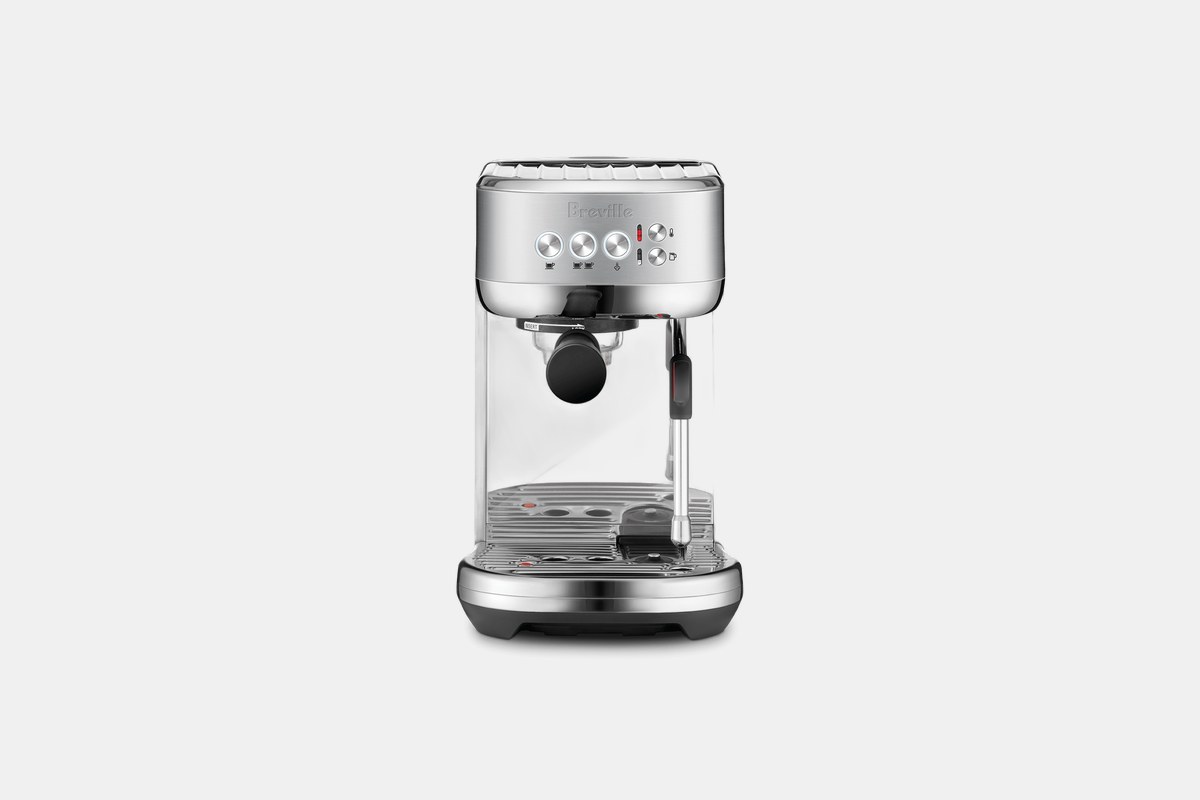
At around $500, the Breville Bambino Plus is my top pick for anyone who just wants great lattes and cappuccinos without a steep learning curve. It heats up in an insane three seconds, so you can go from turning it on to sipping a flat white in under a minute.
The real star here is the automatic steam wand. You just set your preferred milk temperature and texture, and it does the rest, creating silky microfoam that’s actually good enough for latte art. It also pulls a genuinely balanced shot thanks to its PID temperature control and low-pressure pre-infusion, features you usually find on much pricier machines.
The Downside: It doesn’t have a built-in grinder. You’ll need to buy a separate, decent-quality burr grinder to get the most out of it, which adds to the total cost.

The Breville Barista Express is a classic for a reason, and it still holds up for about $500. This is the machine I recommend for beginners who want everything in one box. The integrated conical burr grinder is solid and saves you from having to research and buy another piece of gear.
It’s a true all-in-one workhorse. You grind your beans directly into the portafilter, tamp, lock it in, and pull your shot. The process gives you a taste of the hands-on barista experience without being overwhelming. It’s no wonder it’s a favorite of Wirecutter and countless home coffee experts.
The Downside: This machine is a beast. At over 13 inches wide and 16 inches tall, it takes up a serious amount of counter space.
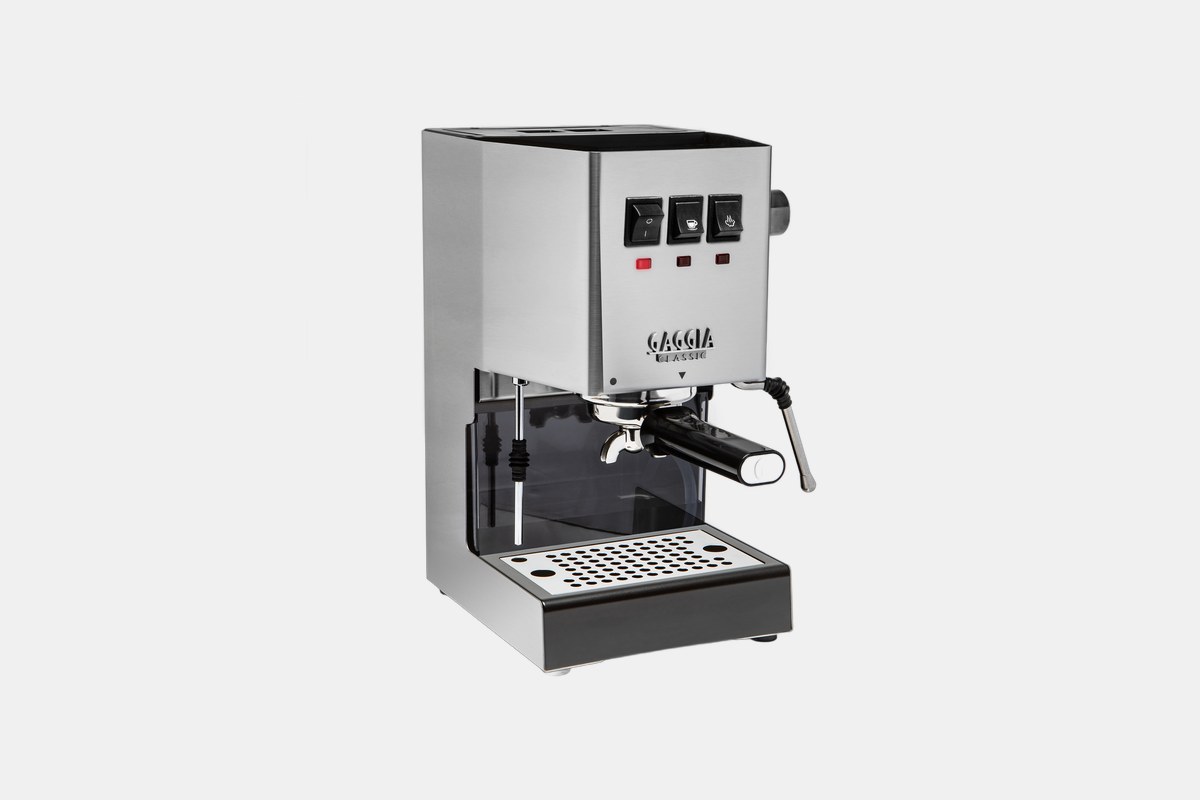
For around $450, the Gaggia Classic Pro is a legend among espresso nerds. This isn’t a flashy machine with a ton of buttons; it’s a stripped-down, Italian-made tank built with commercial-grade components like a 58mm portafilter and a powerful steam wand.
This is the machine for someone who wants to tinker and truly learn the craft of espresso. It rewards patience and practice with absolutely stellar shots. And because it’s been around forever, there’s a huge community of users online who have figured out every possible modification to make it even better.
The Downside: It lacks a PID for temperature stability. This means you have to learn a process called “temperature surfing” to get your brew water to the right temp, which can be frustrating for beginners.
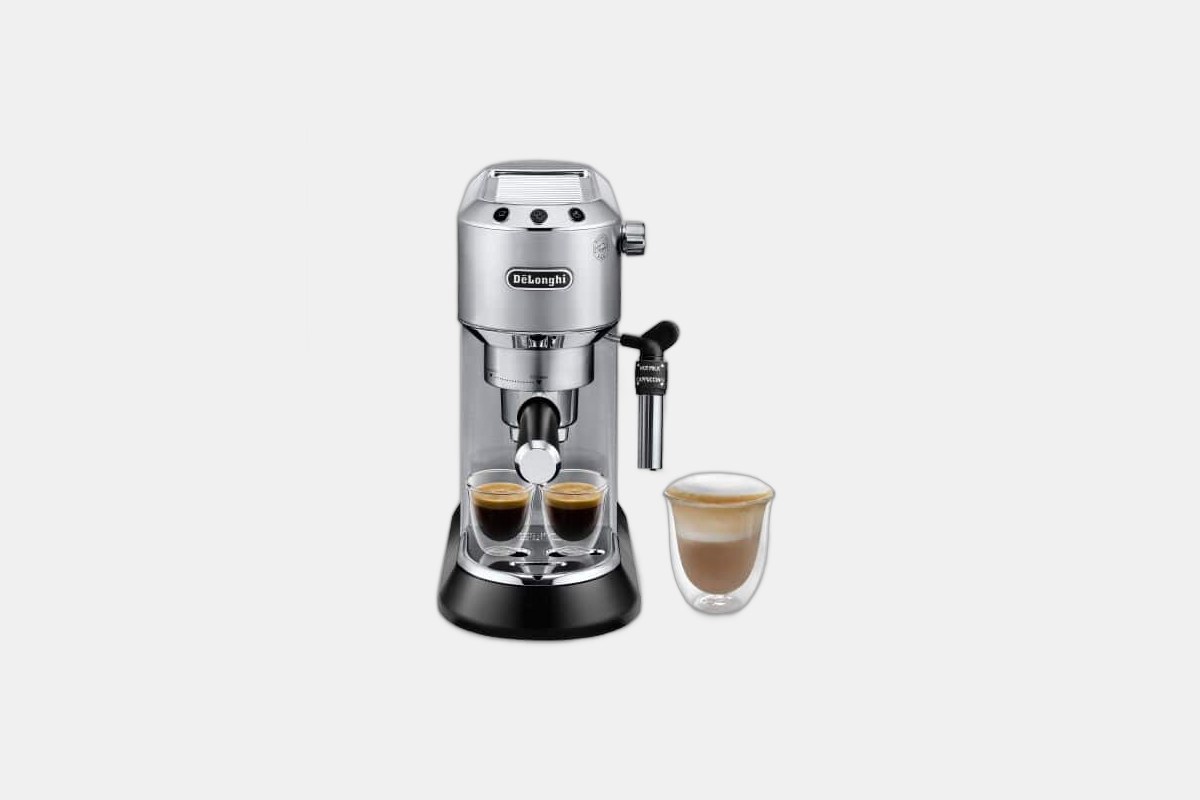
If you’re tight on space and budget, the De’Longhi Dedica is tough to beat for about $250. It’s only six inches wide, so it can squeeze into the tiniest apartment kitchens. But don’t let the small size fool you; it pulls a surprisingly good shot of espresso.
It’s simple, fast, and consistent, making it a great entry point into the world of home espresso. You get a solid 15-bar pump and the ability to use either fresh grounds or ESE pods. It’s a fantastic little machine for someone who isn’t sure they want to commit to a bigger, more expensive hobby.
The Downside: The Panarello-style steam wand is designed to create big, bubbly foam easily, but it’s very difficult to get the silky microfoam needed for lattes. It takes some practice.
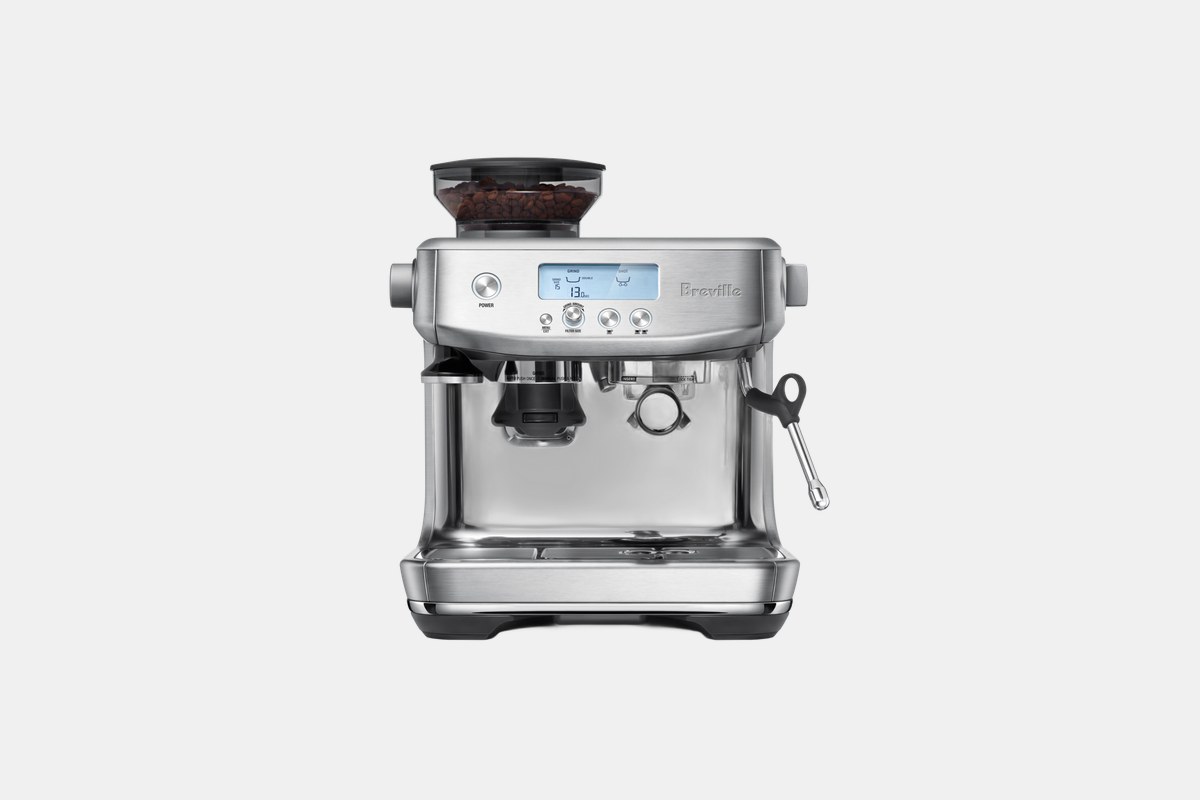
The Breville Barista Pro, at around $850, is a serious step up from the Express. It uses the same ultra-fast ThermoJet heating system as the Bambino, so it’s ready to go in seconds. The LCD screen is the main upgrade, giving you precise control over your grind size, shot duration, and temperature.
This is for the intermediate user who has mastered the basics and wants to start fine-tuning their shots. With 30 grind settings and five temperature options, you can really start to experiment with different beans and dial in the perfect recipe. It feels more modern and responsive than its predecessors.
The Downside: While the built-in grinder is a big improvement, hardcore espresso purists will still argue that a separate, high-end grinder offers more control and consistency.
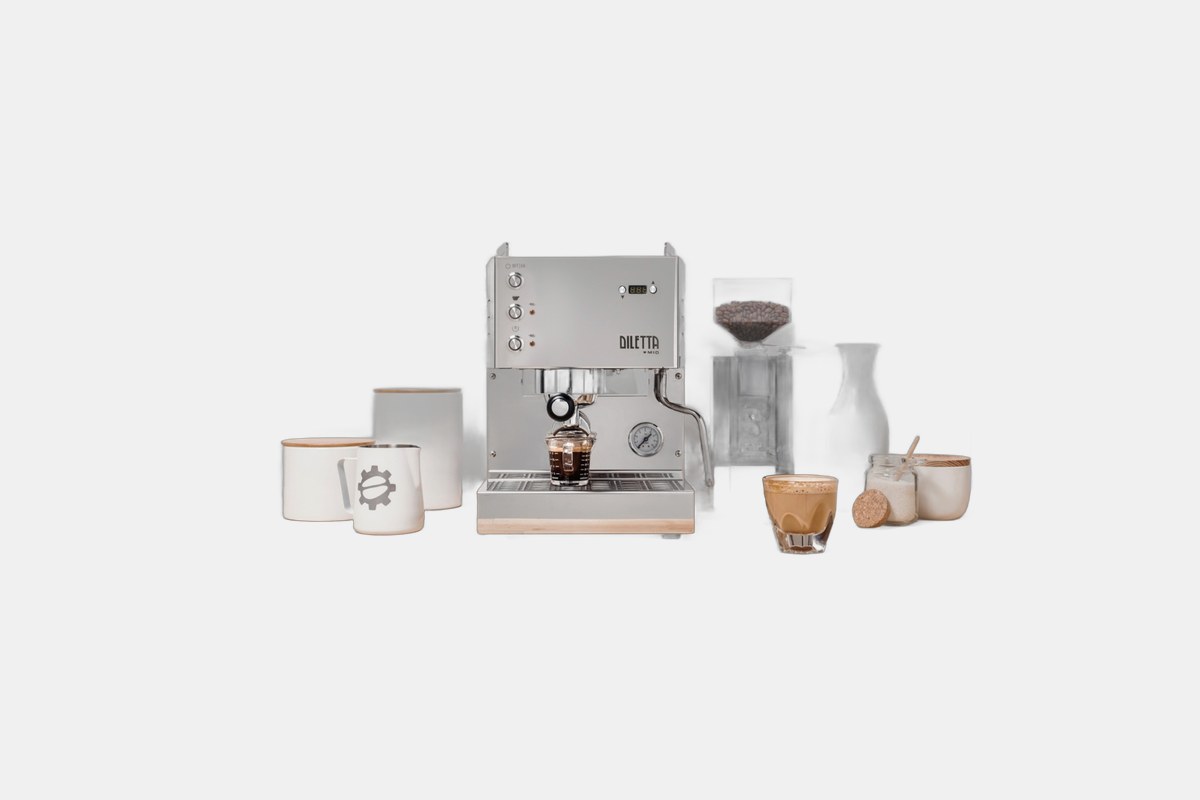
Coming in at $1350, the Diletta Mio is a beautiful machine that brings prosumer-level performance into a surprisingly compact package. This is for the serious enthusiast who wants cafe-quality shots and powerful steam without a giant, chrome-plated box dominating their kitchen.
It’s all about precision and power. The PID controller keeps the brew temperature rock-solid, and a separate thermoblock for steam means you can pull a shot and froth milk back-to-back with no waiting. After testing, I was consistently impressed by how well it handled every type of coffee I threw at it, from light to dark roasts.
The Downside: The price is a big jump for most people. It’s a serious investment for a home appliance.

The KitchenAid KF8 is a fully automatic machine that costs a hefty $2000. This is for the person who wants a fantastic latte, cortado, or cappuccino at the press of a single button. There’s no grinding, tamping, or milk frothing required—the machine does everything for you.
It’s incredibly easy to use, with a clear display that lets you choose from 12 different drink recipes. The milk foam it produces is consistently silky and dense, and the removable milk container is easy to clean. It’s a luxury experience that delivers every time.
The Downside: It’s very expensive for a machine that removes the hands-on element of making espresso, which is part of the fun for many people.
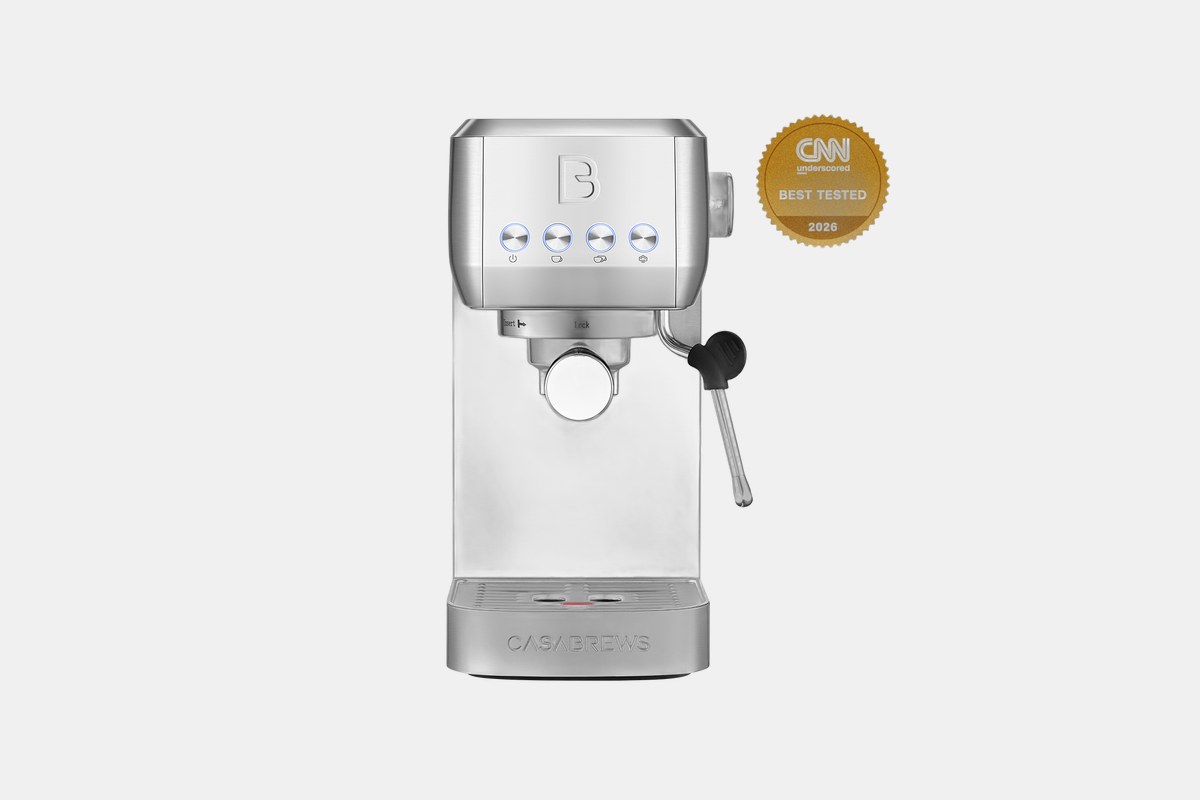
I was skeptical of a machine that costs only $130, but the Casabrews 3700 Essential is a shockingly good value. It’s the perfect choice for someone who wants to dip their toes into espresso without dropping a ton of cash. It even includes PID temperature control, a feature unheard of at this price point.
It won’t compete with a $1000 machine, but it pulls a decent shot with good crema, especially if you’re using pre-ground coffee with its pressurized basket. If you just want a simple espresso or Americano and don’t want to spend a lot, this is a great place to start.
The Downside: The build quality is very basic and mostly plastic. I wouldn’t expect it to last for a decade like a Gaggia.
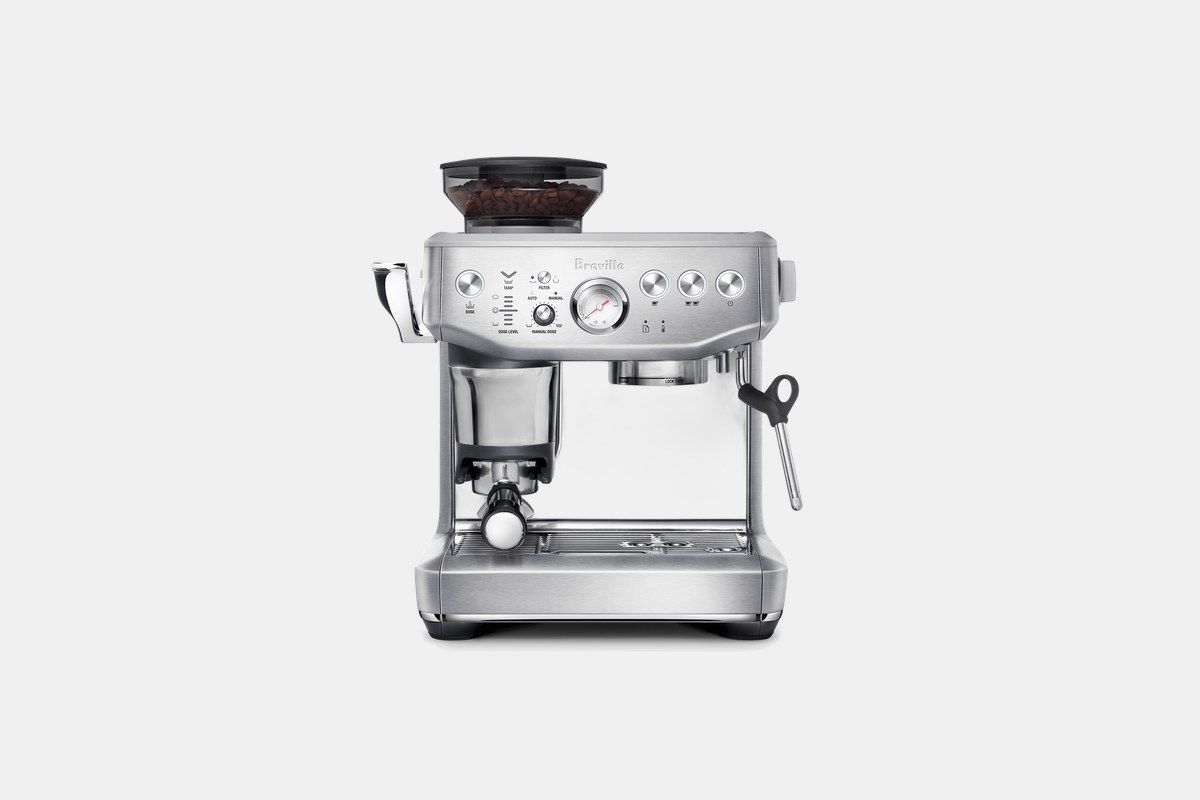
For about $700, the Breville Barista Express Impress solves the biggest problem beginners have: dosing and tamping. This machine has an “intelligent dosing” system that learns how much coffee to dispense, and a lever on the side that gives you a perfect, assisted tamp every single time.
This takes so much guesswork out of the equation. It’s a huge help for anyone frustrated by inconsistent shots. You get the hands-on feel of a semi-automatic machine but with guardrails that guide you to a better result. Good Housekeeping testers loved how it streamlined the whole process.
The Downside: The grinder only has 25 settings, which is fewer than some of Breville’s other models and might feel limiting as your skills improve.
Choosing the right machine really comes down to three things: your budget, how much work you want to do, and whether you need a built-in grinder. If you love tinkering and learning a new skill, a semi-automatic machine like the Gaggia Classic Pro is fantastic. If you just want a latte now, a more automated machine like the Bambino Plus or KitchenAid KF8 is a better fit.
Don’t forget about the grinder! For any machine without one, you’ll need to budget an extra $150-$250 for a quality burr grinder. Using pre-ground coffee for espresso just doesn’t work well. The grinder is just as important as the machine itself.
Whatever you choose, be patient. There’s a learning curve to pulling a great shot of espresso at home. But once you nail it, brewing your own coffee every morning is one of the most satisfying routines you can have.
10 Best Indoor Grills
10 Best Baby Food Makers
8 Best Waffle Makers
10 Best Coffee Makers