12 Best Clear iPhone Cases
12 Best Clear iPhone Cases

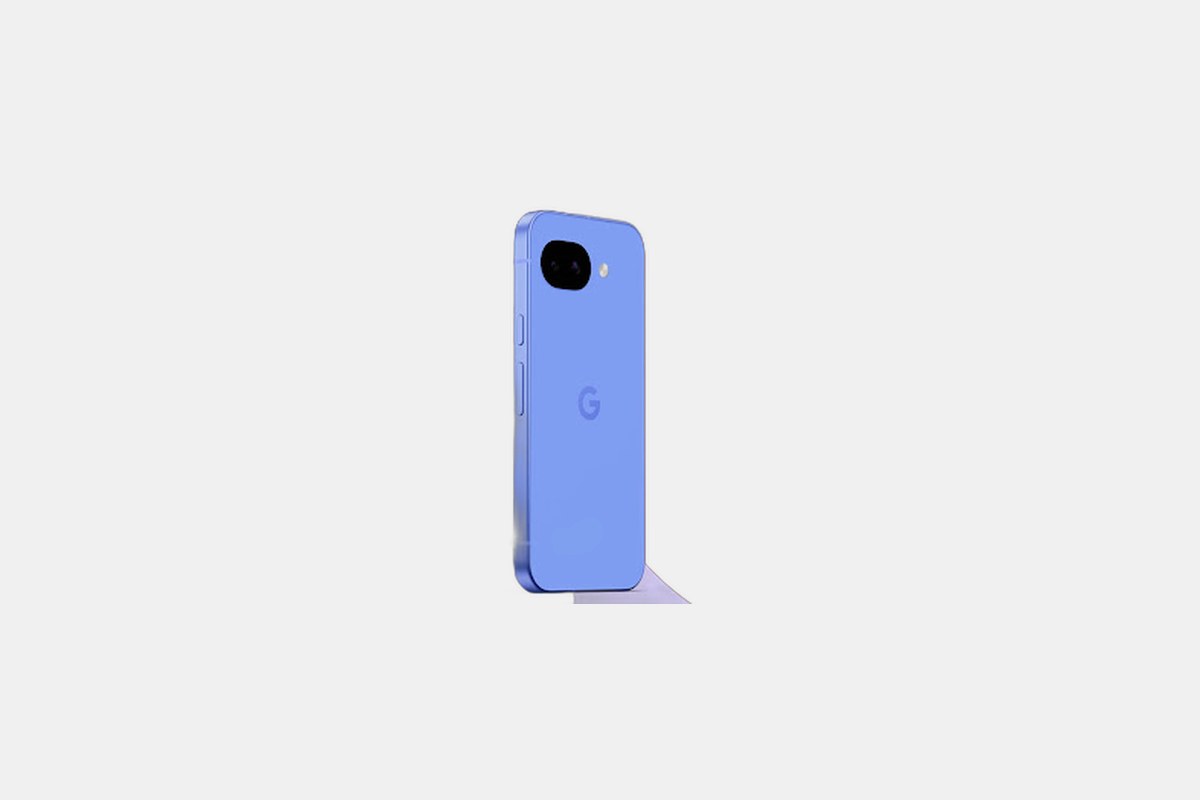
You don’t need to spend $1,000 on a phone in 2026. You really don’t. The budget Android market is so good right now that for under $500, and even for Android phones under $300, you can get a device with a fantastic screen, a solid camera, and a battery that won’t quit before you do.
I’ve spent weeks testing these phones, swapping my main SIM card into each one to see how they hold up to real-world use. I’m talking about scrolling, snapping photos, navigating with GPS, and draining the battery with hours of YouTube. These are the cheap Android phones that genuinely impressed me.
This list is about finding the best value. We’re looking for phones that nail the basics and toss in a few premium features, like a 120Hz display or years of software support, without breaking the bank.
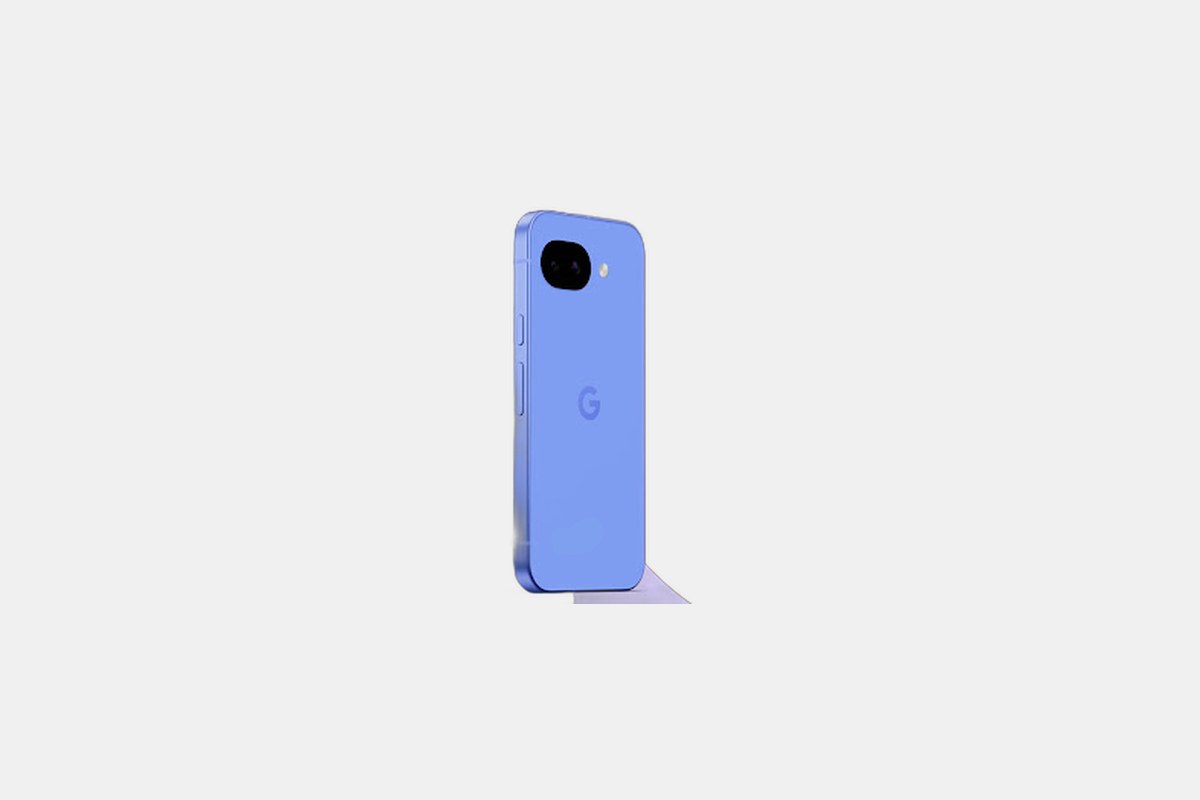
The Google Pixel 10a costs $499, and it’s the best camera you can get at this price. Period. Google’s AI-powered photography is legendary for a reason, and the 48MP main sensor here captures stunning, detailed shots that easily compete with phones costing twice as much. It’s running the same Tensor G4 chip as its flagship siblings, so it feels snappy in day-to-day use.
But the real reason to buy this phone is the software promise. Google guarantees a wild seven years of OS and security updates. That means this phone will still be getting new features in 2033. It also has a bright 6.3-inch 120Hz pOLED display and a respectable 5100mAh battery that got me through a full day every time.
The Downside: The 23W wired charging is just plain slow. Topping up this phone takes well over an hour and a half, which feels ancient compared to some of the competition.
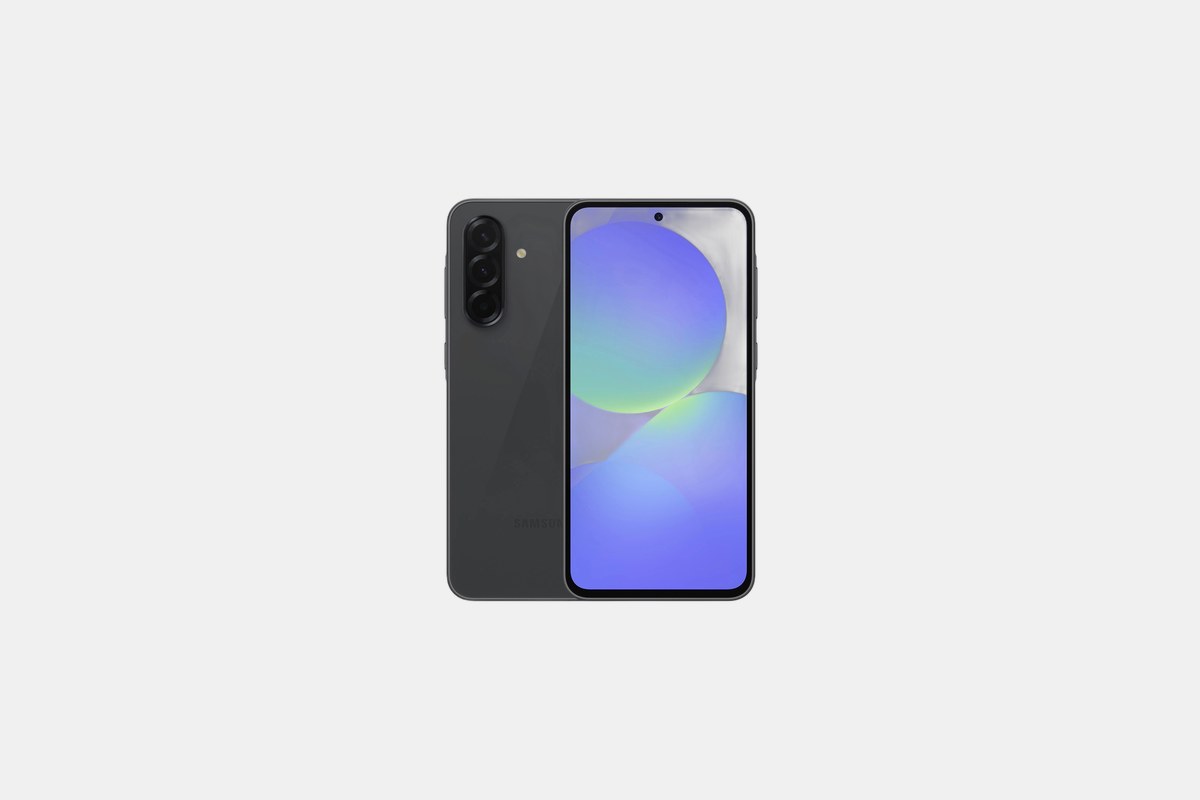
At $350, the Samsung Galaxy A36 5G is the safe, reliable choice. Its biggest strength is Samsung’s excellent software support, promising six years of OS upgrades. That’s incredible value and peace of mind you rarely find in a budget phone.
The screen is the other star. It’s a gorgeous 6.6-inch Super AMOLED panel with a 120Hz refresh rate that makes everything look incredibly smooth and vibrant. The Snapdragon 6 Gen 3 processor isn’t a powerhouse, but it handles daily apps and multitasking without any frustrating lag. The 50MP main camera is perfectly fine for daylight shots, too.
The Downside: While the main camera is solid, the secondary ultrawide and macro lenses are pretty mediocre. They get the job done, but the quality drop-off is obvious.
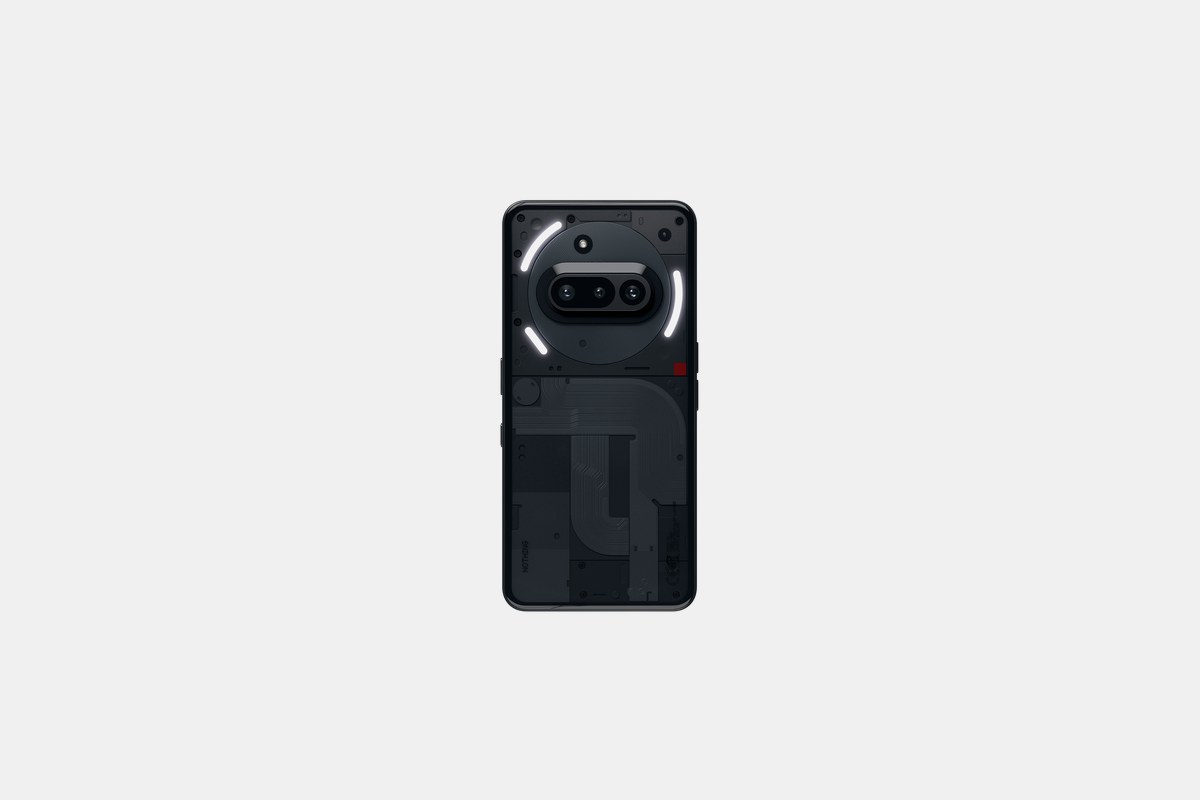
For $379, the Nothing Phone 3a is for anyone bored with the sea of identical black rectangles. The transparent back and Glyph interface—a series of LEDs that flash for notifications—are genuinely cool and functional. It’s a phone that gets noticed.
It’s not just about looks, though. The Snapdragon 7s Gen 3 processor provides a surprisingly smooth experience, and the clean Nothing OS is a joy to use. The real shocker is the camera system, which includes a capable 50MP main sensor and an actual 50MP telephoto lens for optical zoom, a feature unheard of at this price. Plus, its 50W charging tops up the 5000mAh battery quickly.
The Downside: US carrier support is still limited. It works best on T-Mobile’s network, but Verizon and AT&T users might face connectivity issues.
The Motorola Moto G Power 2026 is all about one thing: battery life. At $299, its massive 5200mAh battery is a true two-day champion. I consistently ended my heaviest days of use with over 40% charge left. If you hate carrying a charger, this is your phone.
The huge 6.8-inch screen is only an LCD, but the 120Hz refresh rate keeps it feeling modern. It’s a great device for watching videos, especially with its stereo speakers. I also love that it still has a microSD card slot for expanding storage up to 1TB, a feature that’s nearly extinct.
The Downside: Performance is just okay. The MediaTek Dimensity 6300 processor can feel a step behind when juggling multiple apps or playing demanding games.
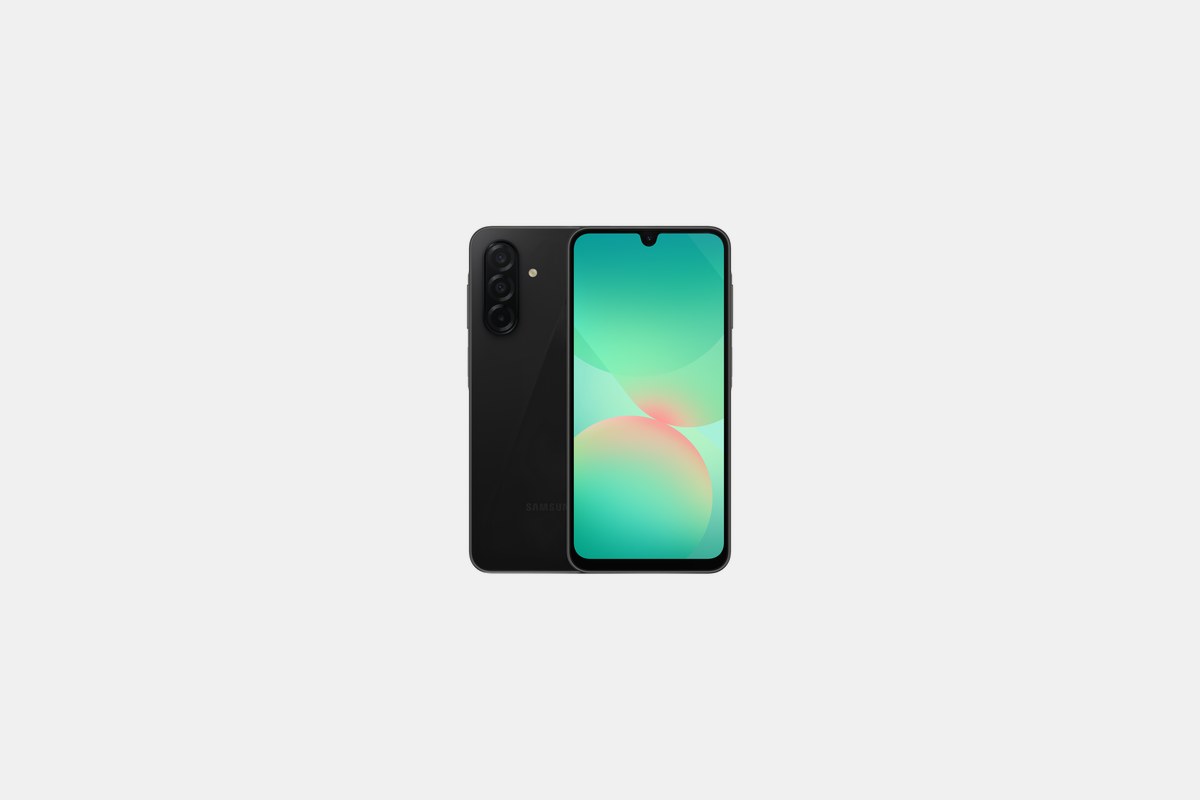
For just $250, the Samsung Galaxy A26 5G delivers an experience that feels much more expensive. You’re getting a big, beautiful 6.7-inch Super AMOLED 120Hz display and an IP67 water and dust resistance rating. That’s a screen and durability combo you won’t find on other cheap phones under $200.
Like its more expensive sibling, it also gets Samsung’s amazing six-year OS upgrade promise. The Exynos 1380 chip is fine for messaging, browsing, and social media, and the 5000mAh battery easily lasts a full day. It’s a fantastic, reliable daily driver for the price.
The Downside: The side-mounted fingerprint sensor embedded in the power button works, but it feels less premium than the in-display sensors found on many rivals.
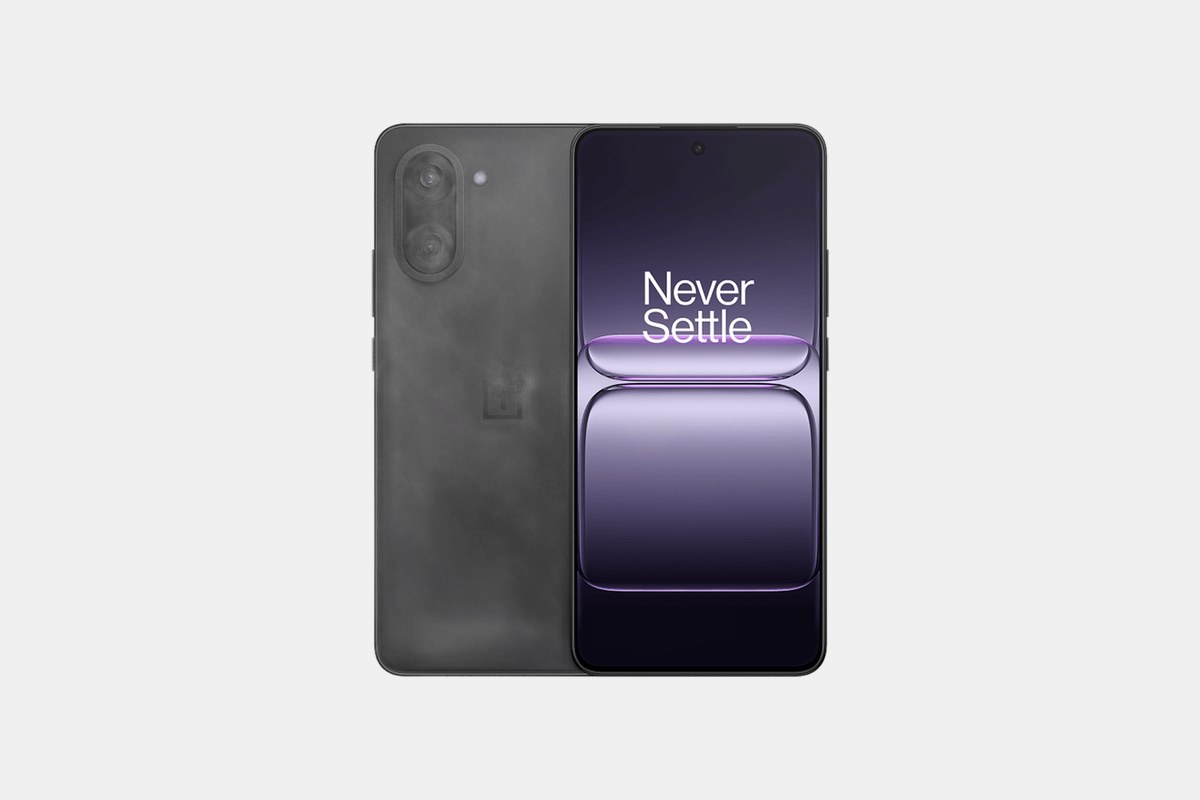
The OnePlus Nord CE5 5G, priced at $280, is an absolute monster for heavy users and gamers on a budget. The battery is a gigantic 7100mAh cell. I couldn’t kill this thing in a single day no matter what I did. It’s a true multi-day phone, and the super-fast 80W charging can juice it up in a hurry.
The MediaTek Dimensity 8350 processor is a beast for this price, easily handling games like Call of Duty at high frame rates on the 6.77-inch 120Hz AMOLED screen. The 50MP Sony sensor with optical image stabilization (OIS) also delivers sharp, steady photos. This phone punches way above its weight class in performance.
The Downside: This phone is heavy. At 199 grams, and with its sheer size, you absolutely feel its presence in your hand and your pocket. It’s not for small-phone fans.
The screen is where you’ll spend all your time, so don’t settle. In 2026, you can easily find a 120Hz refresh rate and a bright, colorful AMOLED panel for under $300. It makes scrolling, animations, and everything else feel buttery smooth. I’d avoid anything less than 90Hz.
Battery capacity is another key spec. Look for at least 5000mAh, which has become the baseline for all-day endurance. Pay attention to charging speeds, too. A phone with 25W charging will take much longer to top up than one with 50W or 80W support, which can make a real difference when you’re in a rush.
Finally, check the software update policy. A phone is useless if its software is out of date and insecure. Google and Samsung are leading the pack, offering six or seven years of updates. A longer support window means your phone will last longer, saving you money in the long run.
12 Best Clear iPhone Cases
Top 8 Neckband Earbuds
7 Best Crossbody Phone Cases
Best Toddler Cameras