12 Best Clear iPhone Cases
12 Best Clear iPhone Cases

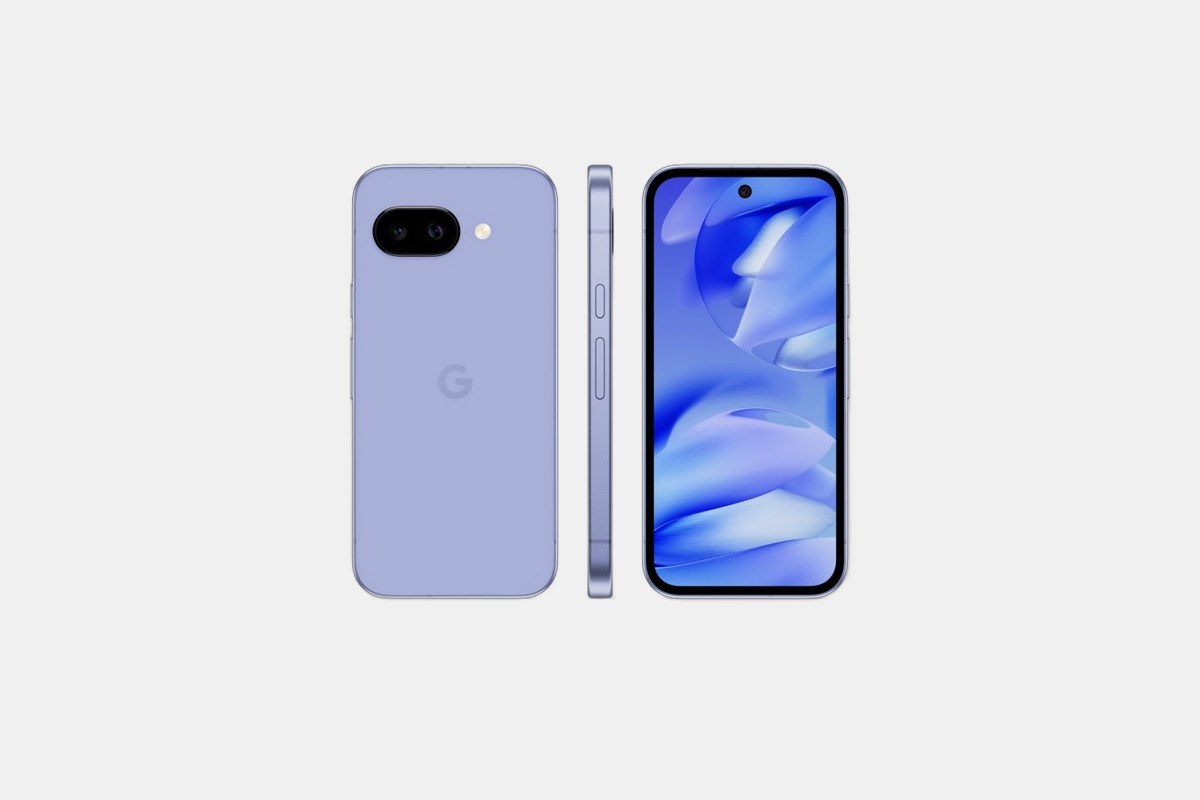
The Google Pixel 8a was a fantastic phone. For a couple of years, it was my go-to recommendation for anyone who wanted a top-tier camera and clean software without paying flagship prices. But here in 2026, the game has changed. Google’s own successors are better than ever, and competitors are packing more power into the sub-$600 space than I’ve ever seen.
So, what’s the best Pixel 8a replacement today? I’ve spent weeks testing the latest mid-rangers to find out. I’m looking for that same magic formula: a great camera, smooth performance, solid battery life, and long-term software support. Some phones nail the performance but skimp on cameras, while others offer a slick design with budget internals.
This is my list of the phones that come closest to capturing that Pixel 8a spirit, and a few that offer something completely different for the same money.
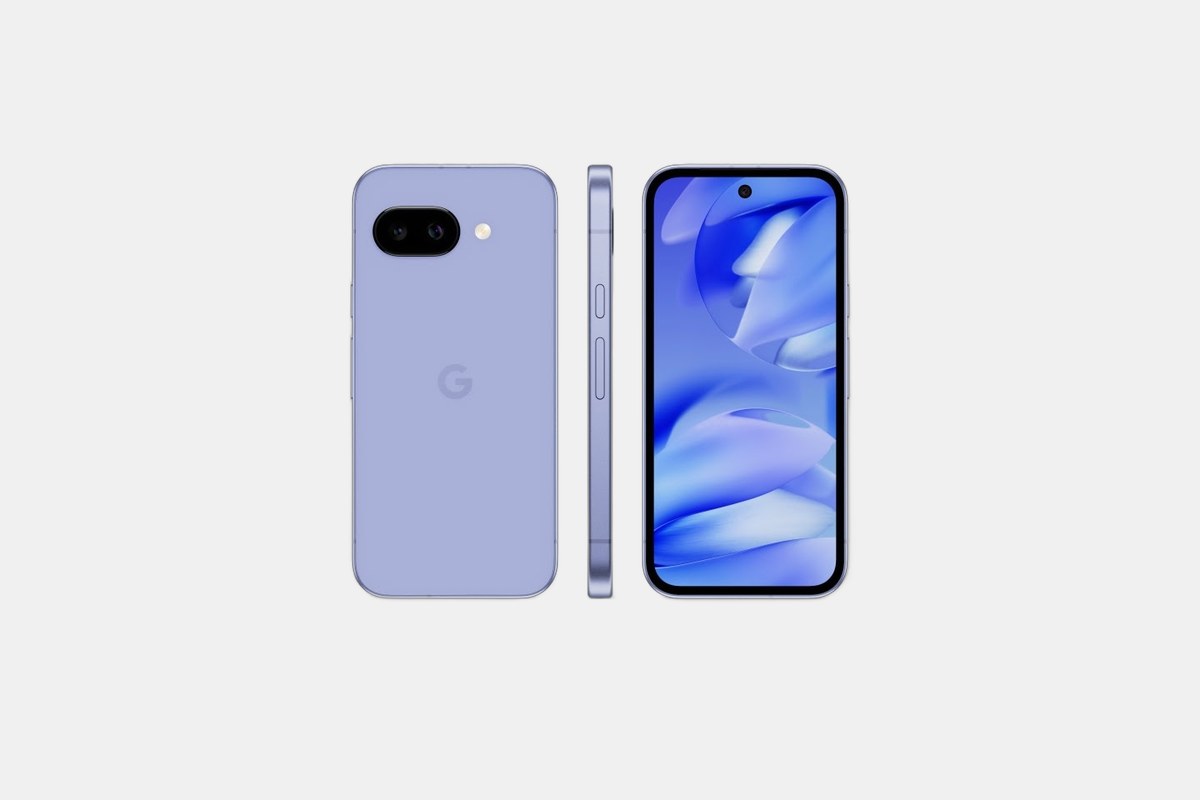
The Google Pixel 9a costs $499 and is the most direct upgrade path for Pixel fans. It’s the phone that feels most like a modern 8a, keeping the core experience intact while upgrading the important bits. You’re getting the same Tensor G4 processor from the flagship Pixel 9, so all the AI tricks like Magic Editor are here and just as fast.
The camera is, unsurprisingly, brilliant. It captures that classic Pixel look with great contrast and color science. I was also impressed with the battery; the 5,100mAh cell easily got me through a full day of heavy use. With seven years of OS updates promised, this is a phone you can buy and forget about for a long, long time.
The Downside: The charging speeds are still slow compared to OnePlus or even Nothing. It’s not a dealbreaker, but you’ll want to charge it overnight.
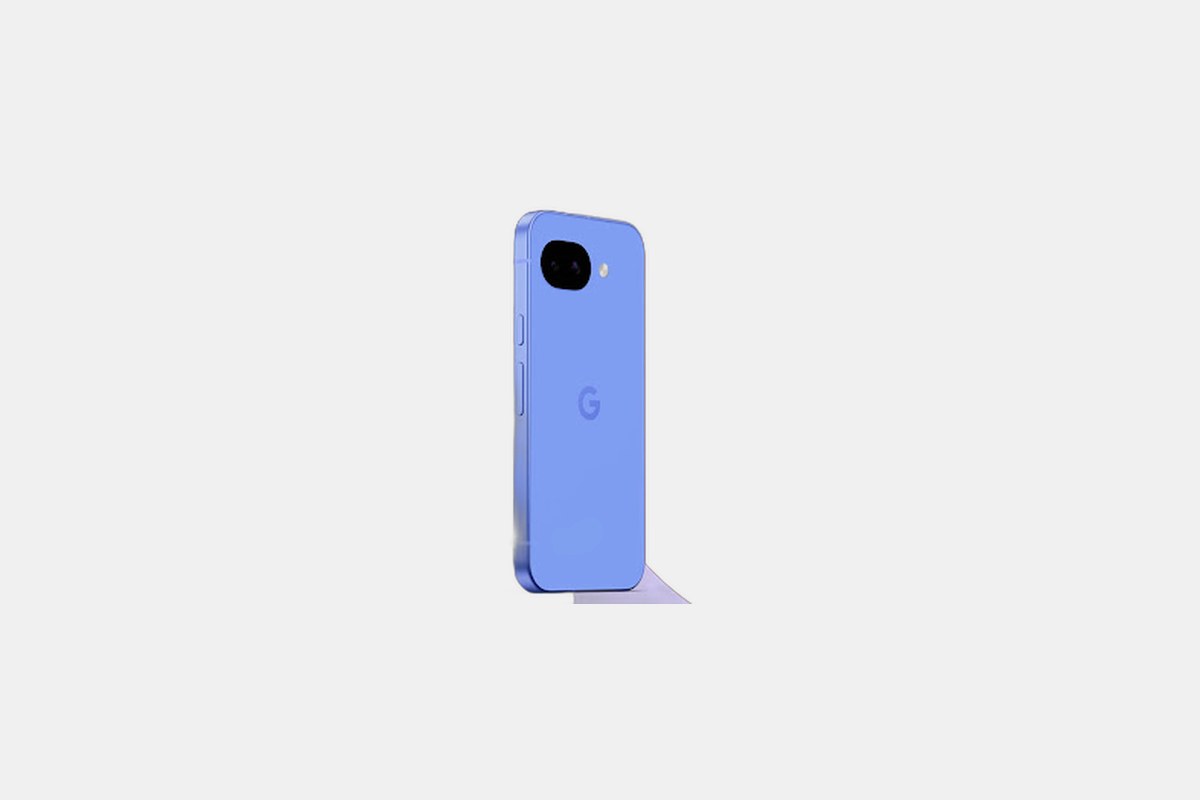
At $499, the brand-new Pixel 10a is another obvious choice. It just launched, and it brings a few welcome upgrades. The 6.3-inch Actua display is noticeably brighter outdoors than the 9a’s screen, which I really appreciated. The battery life is also slightly better, and the main 48MP camera sensor pulls in a bit more detail.
It’s an iterative update, but it refines an already excellent formula. You still get the core Pixel experience with all the AI features and Google’s fantastic software, plus that seven-year support promise. If you want the absolute newest “a” series phone, this is it.
The Downside: It uses the same Tensor G4 chip as last year’s Pixel 9a. It’s still plenty fast for daily use, but it feels like a cost-cutting move that prevents a true performance leap.

The Samsung Galaxy S25 FE costs a bit more at $649, but it feels like a flagship phone. The 6.7-inch AMOLED screen is stunning—brighter and more vibrant than what you’ll find on the Pixel. It’s a fantastic device if you’re already in Samsung’s ecosystem.
Performance from the Exynos 2400 chipset is smooth, handling multitasking and gaming without any hiccups. You also get access to Samsung’s suite of Galaxy AI features, which have become a solid competitor to Google’s offerings. It’s a great package for the price.
The Downside: The camera system is just okay. In good light, it’s fine, but it can’t compete with the Pixel 9a or 10a when the lights get low. It’s the biggest trade-off you make for the better screen and design.
If you care more about raw speed than camera tricks, the OnePlus 13R is the phone to get for $599. It’s running a Snapdragon 8 Gen 3, a true flagship chip that smokes the Tensor G4 in benchmarks. Paired with up to 16GB of RAM, this phone feels incredibly fast at everything it does.
The 6.78-inch ProXDR display is also a highlight—it’s big, bright, and has a buttery-smooth 120Hz refresh rate. This is the best phone on this list for serious mobile gaming or for power users who juggle a dozen apps at once. OnePlus’s super-fast charging is also a huge plus.
The Downside: While not bad, the cameras aren’t the main focus here. Photos are good, but they lack the polish and computational magic of the Pixel phones. It’s a performance-first device.
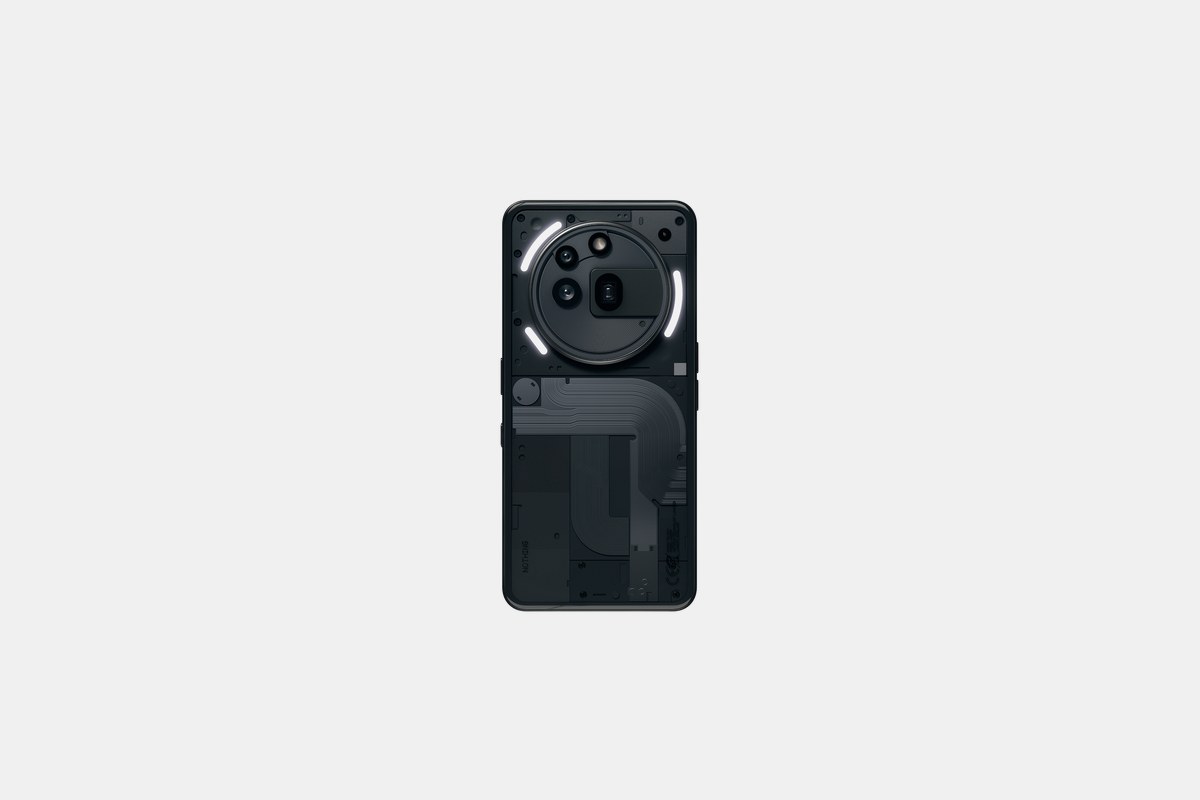
For just $459, the Nothing Phone 3a Pro offers unbeatable style and value. The Glyph interface with its flashing lights on the back is still a unique and genuinely useful feature for notifications. You simply can’t find a more interesting-looking phone at this price point.
But it’s not just about looks. You get a versatile triple-camera system, a generous 12GB of RAM, and 256GB of storage as standard. That base configuration beats most of the competition. It’s a well-rounded package for anyone who wants to stand out from the crowd without breaking the bank.
The Downside: There’s no wireless charging. It’s a common omission in this price range, but still a feature I miss having.
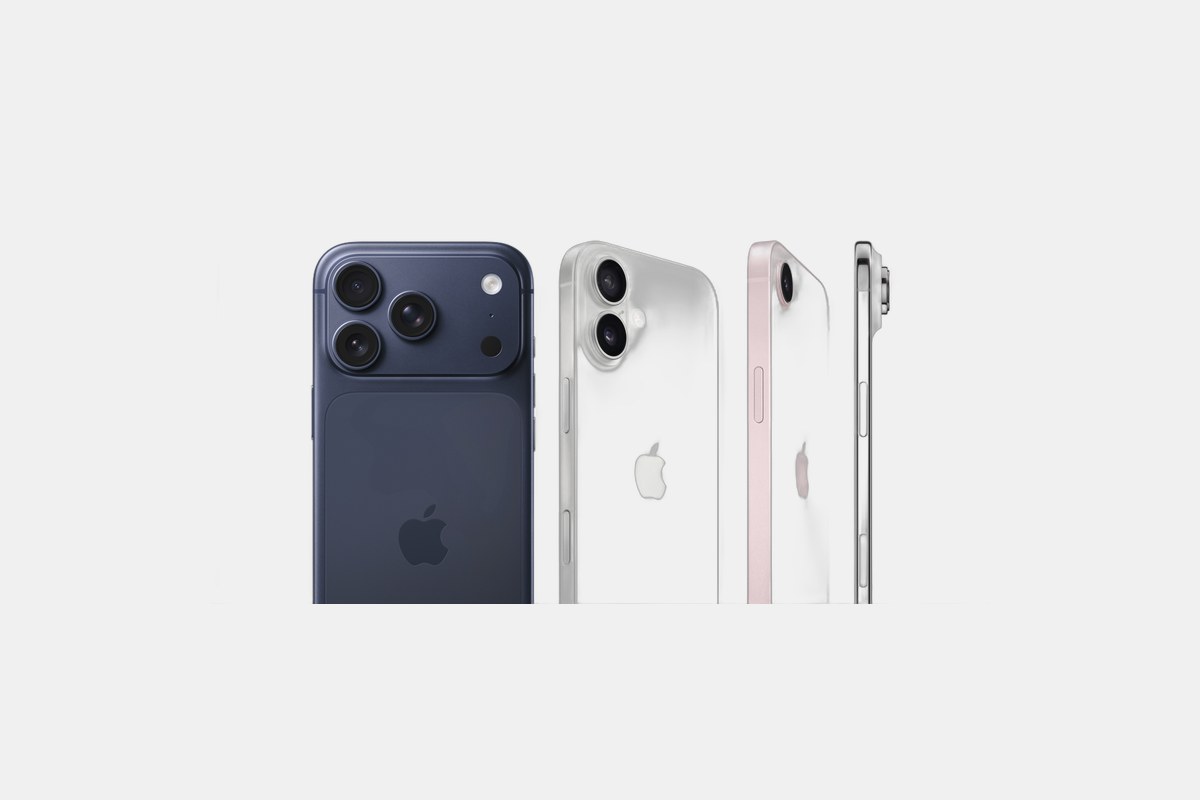
At $599, the iPhone 16e is Apple’s answer to the high-end mid-range market. This is the perfect phone for someone who wants to switch to iOS or upgrade from an older iPhone SE. The move to a 6.1-inch display with Face ID finally ditches the ancient home button design for a much more modern feel.
You get access to Apple Intelligence, the company’s new AI suite, and the performance is exactly what you’d expect from an iPhone: smooth and reliable. It nicely balances the core Apple experience with a more accessible price tag, making it a strong contender for those not tied to Android.
The Downside: It’s a significant price jump from the old iPhone SE models. You’re paying a premium for the Apple logo and ecosystem access compared to Android rivals with similar specs.
If you’re looking for pure value, the Samsung Galaxy A36 5G is tough to beat at just $399. The main selling point here is the screen. Getting a 6.6-inch AMOLED display with a 120Hz refresh rate at this price is fantastic. It makes scrolling and watching videos feel incredibly fluid.
The performance from its Exynos chipset is perfectly adequate for social media, browsing, and light gaming. It’s a reliable workhorse with an IP67 water resistance rating, which is great peace of mind. For basic smartphone needs, it’s an excellent deal.
The Downside: The cameras are mediocre at best. They get the job done for a quick snap in broad daylight, but they struggle with any sort of challenging lighting.

Dropping down to just $300, the Motorola Edge 2026 prioritizes design and display above all else. This phone is incredibly thin and light, making it very comfortable to hold. The 6.7-inch pOLED display is bright and colorful, punching way above its price class.
The MediaTek Dimensity 7400 processor and a large 5,200mAh battery provide enough power and endurance for a full day of use. It’s a surprisingly capable device for the money, especially if you value a slim form factor.
The Downside: Motorola’s software support is much shorter than Google’s or Samsung’s. You’ll only get a couple of major OS updates, so it’s not a phone built for the long haul.
When I was testing these phones, I kept coming back to three things. First, the camera. The whole reason the Pixel 8a was so beloved was its ability to take flagship-level photos for a mid-range price. The Pixel 9a and 10a are the only phones here that truly match that legacy, but others get close in good lighting.
Second is performance and software support. A phone needs to feel fast not just on day one, but on day 700. Google’s promise of seven years of updates is the industry benchmark, making the new Pixels a safe bet. But phones like the OnePlus 13R offer so much raw power that they’ll likely feel fast for years, even with shorter support.
Finally, it’s about the trade-offs. No phone under $700 is perfect. The Samsung S25 FE gives you a better screen but a worse camera. The Nothing Phone gives you incredible design but no wireless charging. The best Pixel 8a replacement for you is the one whose compromises you can live with.
12 Best Clear iPhone Cases
Top 8 Neckband Earbuds
7 Best Crossbody Phone Cases
Best Toddler Cameras