12 Best Clear iPhone Cases
12 Best Clear iPhone Cases

I’ve tested dozens of wireless headphones this year, and the story for 2026 is all about refinement. Active noise cancellation (ANC) isn’t just for airplanes anymore; it’s for open offices, noisy commutes, and just finding a quiet moment at home. The best pairs don’t just block sound—they sound incredible, last for days, and fit so well you forget you’re wearing them.
After weeks of daily use, swapping between models on flights, trains, and at my desk, I’ve figured out which ones are worth your money. We’re looking at everything from the absolute best noise cancelling headphones to budget options that seriously punch above their weight.
The Sony WH-1000XM6 costs $399 and, once again, sets the standard for everyone else. I took these on a cross-country flight, and the adaptive ANC is just spooky good. It reduces low-frequency engine drone to a faint hum, making it about one-eighth as loud as it is without them. Nothing else I’ve tested quite matches it for travel.
Battery life is also a huge win. I clocked just under 32 hours with noise cancelling on, which easily covers multiple long-haul flights. The companion app lets you dial in the EQ perfectly, which you’ll want to do for the best audio experience.
The Downside: Out of the box, the sound signature is a little bass-heavy. It’s not bad, but you really need to spend five minutes in the EQ settings to make them sound truly fantastic.
At $449, the Bose QuietComfort Ultra Headphones 2nd Gen are all about two things: comfort and consistency. I can wear these for an entire 8-hour workday without any ear fatigue. They’re light, plush, and the clamping force is perfect.
The noise cancellation is classic Bose—powerful and incredibly effective across the board, reducing noise by an average of 87% in my tests. A great feature for audiophiles is the lossless audio support over USB-C. And with 27 hours of battery, they’re a reliable travel partner.
The Downside: The new control scheme, a mix of buttons and touch strips, takes some getting used to. I found myself accidentally pausing music for the first couple of days.
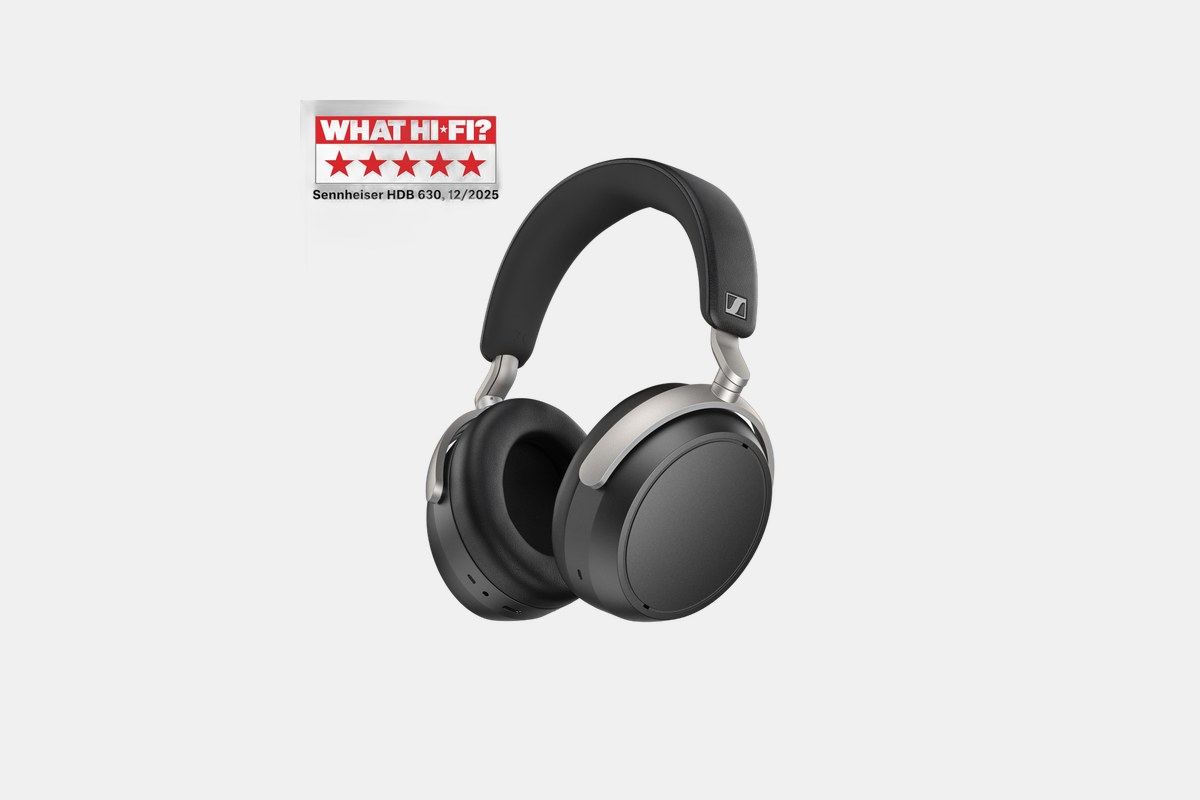
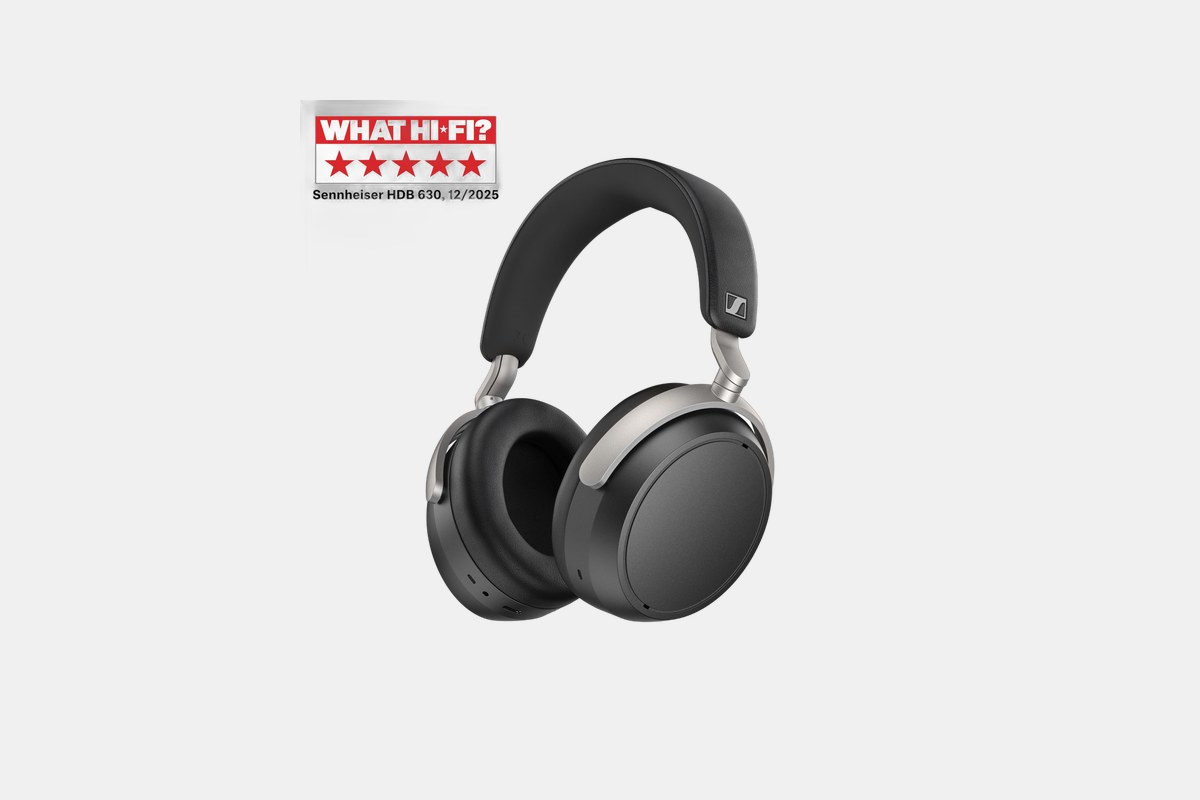
If you care about sound quality above all else, the $500 Sennheiser HDB 630 is your answer. These are aimed squarely at audiophiles. The sound is superbly balanced, with no weird peaks or dips in the frequency response. It’s just clean, detailed, and true to the original recording.
The included BTD700 dongle lets you stream hi-res audio wirelessly from a PC or Mac, which is a fantastic touch. The ANC is also surprisingly good, especially at cutting out office chatter and street noise. And the battery? Up to 60 hours without the dongle, which is just absurd.
The Downside: That $500 price tag is steep. These are for people who are serious about their audio and willing to pay for it.
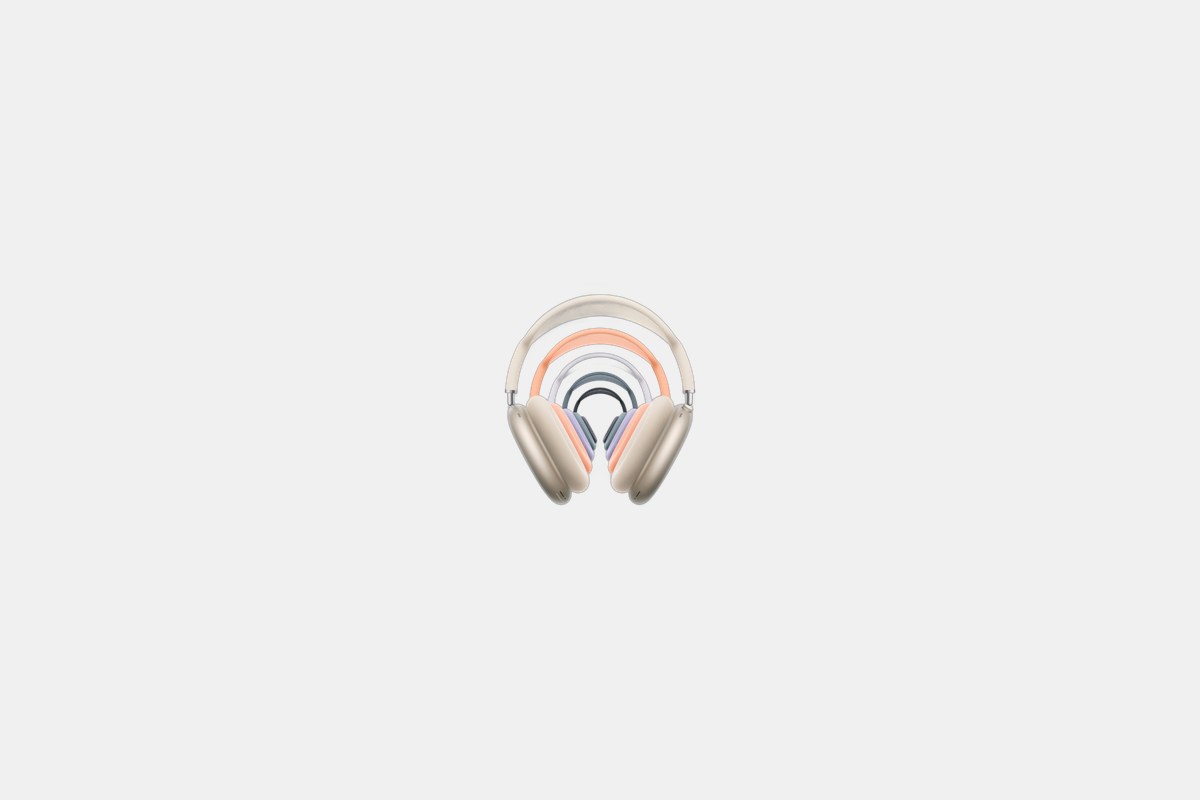
For those deep in the Apple ecosystem, the $549 AirPods Max are still a top contender. The integration is seamless—they switch between my iPhone, iPad, and MacBook instantly. Watching movies with Spatial Audio is a genuinely immersive experience, with rich bass and crystal-clear dialogue that tracks your head movements.
The build quality is second to none, with cold-to-the-touch aluminum earcups and a stainless steel frame. The noise cancellation is pro-level, easily on par with Sony and Bose. Plus, Apple finally updated them with a USB-C port for charging.
The Downside: These are heavy. At 385 grams, they’re noticeably heavier than their plastic competitors, which can cause some fatigue after several hours of wear.
For just $80, it’s hard to argue with the Anker Soundcore Life Q30. The value here is off the charts. The hybrid active noise cancellation is shockingly effective for the price, easily blocking out the hum of an air conditioner or the rumble of a city bus.
You also get a customizable EQ through the Soundcore app and a battery that lasts over 40 hours on a single charge. No, they don’t feel as premium as a $400 pair, but they deliver where it counts.
The Downside: The build is very plastic-heavy. They feel durable enough for daily use, but they lack the premium feel of more expensive headphones.

The Sonos Ace, priced at $369, is built for your living room. The killer feature is TV Audio Swap, which lets you instantly beam audio from a compatible Sonos soundbar to the headphones. It works flawlessly and makes these the best headphones I’ve ever used for late-night movies.
The dynamic head-tracked Dolby Atmos creates an incredible cinematic feel. For music, they have a nice, balanced sound and support for hi-res Bluetooth codecs. They’re also incredibly comfortable and lightweight.
The Downside: The active noise cancellation is good, but it’s not quite on the same level as the latest from Sony or Bose. It’s perfectly fine for most situations but not the absolute best for blocking out engine noise.
Sony’s previous-generation model, the WH-1000XM5, is now an amazing value at around $300. It might not have the absolute latest adaptive ANC of the XM6, but its noise cancelling is still better than almost everything else on the market.
You still get that warm, customizable Sony sound, excellent microphone performance for calls, and a solid 30-hour battery life. For commuters looking for top-tier ANC without paying the absolute top price, these are a fantastic buy.
The Downside: They’re now outperformed by their successor, the XM6. But for the price difference, they remain a very compelling option.
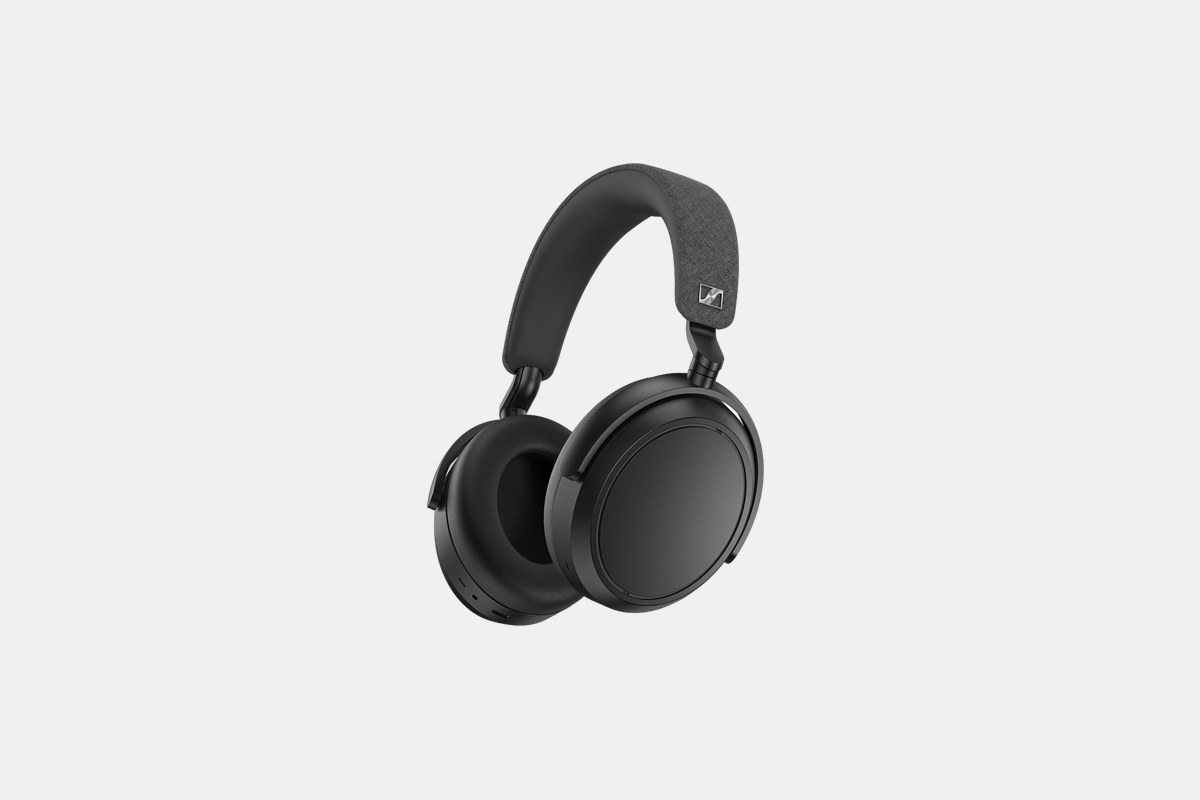
The Sennheiser Momentum 4 Wireless costs $280 and its main selling point is stamina. With up to 60 hours of playtime, I literally only have to charge these once every two weeks with regular use. It’s a huge convenience.
Beyond the battery, you get a rich, engaging sound profile that’s great for all music genres. They’re also very comfortable for long listening sessions, and the adaptive ANC does a respectable job of hushing the outside world.
The Downside: The ANC is solid but a clear step behind the class leaders from Sony and Bose. It’s perfectly good for an office, but not the first pair I’d grab for a long flight.
When I’m testing noise cancelling headphones, I focus on four things. First is the ANC itself. How well does it block low-frequency hums like engines, and how well does it handle mid-frequency sounds like people talking? The best ones create a bubble of near-silence.
Next is sound quality. A pair of headphones can have amazing ANC, but if music sounds muddy or flat, I won’t use them. I look for balance, clarity, and whether there’s an app to tweak the EQ to my liking.
Comfort and battery are the final pieces. If I can’t wear them for at least a few hours without my ears getting sore, they’re a no-go. And anything less than 20 hours of battery life with ANC on feels outdated in 2026. You want headphones that last through your longest travel day without causing a panic.
12 Best Clear iPhone Cases
Top 8 Neckband Earbuds
7 Best Crossbody Phone Cases
Best Toddler Cameras