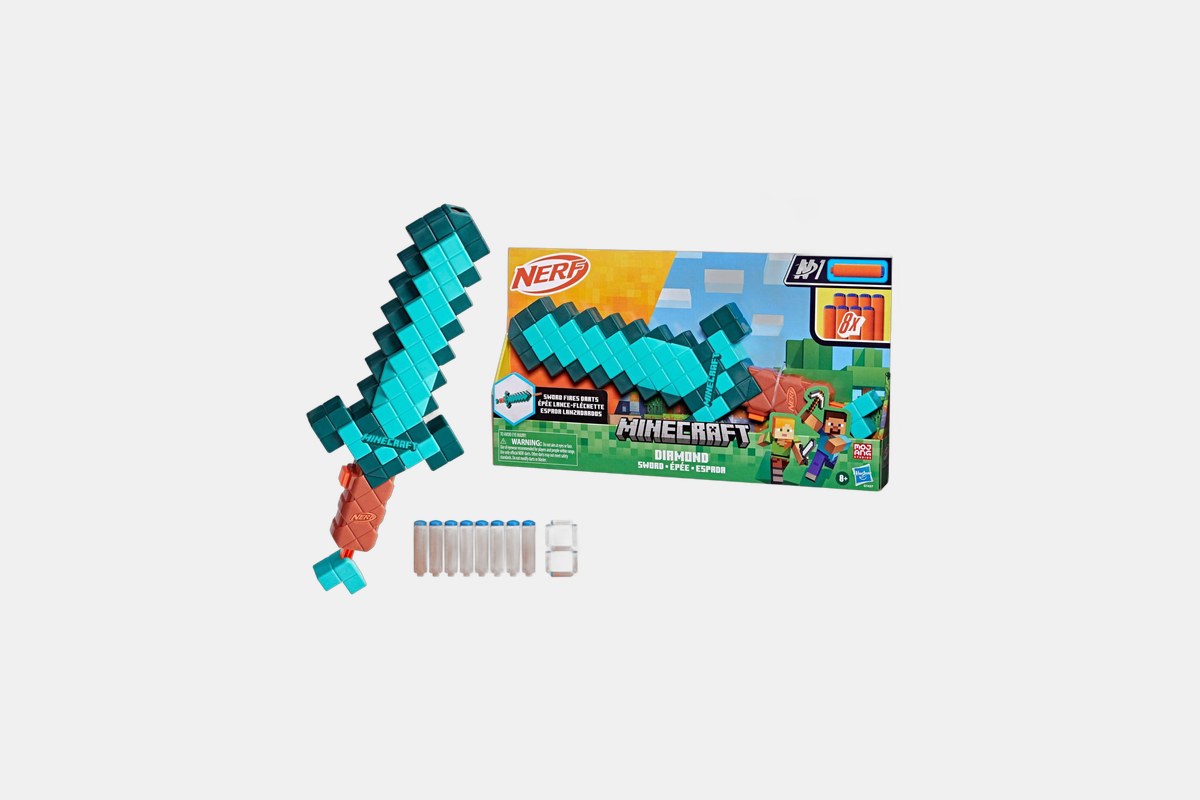
20 Best Minecraft Toys On Amazon
20 Best Minecraft Toys On Amazon

The moment the stomach bug hit our house this winter, I looked at the pile of toys in the living room and felt a wave of dread. Everything my son had touched, drooled on, or coughed near was a potential germ factory. And of course, his favorite, most-loved teddy bear was ground zero.
Cleaning toys isn’t as simple as it sounds. You can’t just toss everything in a bucket of bleach. Different materials need different methods, and the last thing you want to do is ruin a beloved stuffed animal or warp a beautiful wooden block set.
After years of trial and error (and one very unfortunate incident with a musical dog and the dishwasher), I’ve figured out what actually works. Here are my go-to methods for washing toys safely and effectively.
This is the easiest category, hands down. Most hard plastic and silicone toys are built to withstand some serious cleaning. Think LEGOs, Duplos, plastic animals, and most bath toys.
Yes, you can absolutely use your dishwasher. I put things like blocks and plastic rings on the top rack, away from the heating element. For smaller pieces, I toss them in a mesh lingerie bag so they don’t fall through and melt.
I just use my regular dishwasher detergent and run a normal cycle. One warning: skip this for any toys with batteries, electronic parts, or delicate painted-on faces that might flake off in the high heat.
For a quicker clean or for items you’re not sure about in the dishwasher, a simple sink soak works wonders. I fill the sink with warm water and a splash of gentle dish soap. Sometimes I use a 50/50 solution of white vinegar and water to disinfect toys after a sickness.
Let them soak for about 10 minutes, give them a quick scrub with a bottle brush, and then let them air dry completely on a towel. Make sure to get all the water out of bath toys to prevent mold.
This is where most people get nervous. Ruining a child’s favorite stuffed friend is a real fear. But I promise, you can clean plush toys without turning them into a matted mess. It’s all about the right technique.
First, check the tag. If it says machine washable, you’re good to go. My trick is to place the stuffed animal inside a zippered pillowcase or a mesh laundry bag. This protects plastic eyes from getting scratched and keeps any limbs from getting snagged.
I wash it on the gentle cycle using cold water and a small amount of a mild, baby-friendly detergent. To dry, you can either air dry or tumble dry on the absolute lowest, no-heat setting. For really fluffy fur, I’ll sometimes use a hairdryer on the cool setting to bring it back to life.
If a toy has a music box inside, is especially old, or the tag says “surface clean only,” you’ll have to do it by hand. I use a cloth with a bit of soapy water to gently scrub the dirty spot. For tougher stains, a paste of baking soda and water works well.
Use a second, clean damp cloth to “rinse” the soap off. Let it air dry completely. This is my go-to method to clean plush toys that can’t be fully submerged.
Wood is fantastic, but it’s also porous. You never want to soak wooden toys in water. This will cause them to swell, warp, and can ruin the paint. A gentle wipe-down is the only way to go.
I use a microfiber cloth dampened with a solution of one part white vinegar to one part water. You can also just use mild soap and water. The key is that the cloth should be damp, not dripping wet.
Wipe the toy down, and then follow up immediately with a dry cloth to remove any excess moisture. Let it air dry the rest of the way before it goes back in the toy bin.
Anything with batteries, lights, or sounds is a magnet for grime, especially around the buttons. Water is the enemy here, so you have to be careful.
First things first: take the batteries out. I can’t say this enough. Then, I use a disinfecting wipe or a cloth barely dampened with a bit of rubbing alcohol. I wring it out so it’s almost dry before I start wiping.
Gently wipe down the entire surface, paying special attention to the seams and buttons. I use a cotton swab dipped in alcohol to get into all the little crevices. Let the toy dry completely before you even think about putting the batteries back in.
You don’t need a cabinet full of special sprays and soaps. Honestly, I’ve managed for years with just a few basic household items. My entire toy cleaning kit fits in a small basket under the sink.
It contains: white vinegar, baking soda, a gentle dish soap, a couple of mesh laundry bags, and a set of microfiber cloths and small scrub brushes that are only used for toys. That’s it. It’s simple, cheap, and handles almost every mess my kids can make.
At the end of the day, washing toys is about maintenance. A quick wipe-down here and there is much easier than a massive deep clean. And when sickness does strike, you’ll know exactly how to disinfect toys to get everyone back to playing safely.
20 Best Minecraft Toys On Amazon
9 Best Baby Walking Toys
15 Best CoComelon Toys
Where to Donate Toys: 9 Organizations That Accept Toys