12 Best Clear iPhone Cases
12 Best Clear iPhone Cases

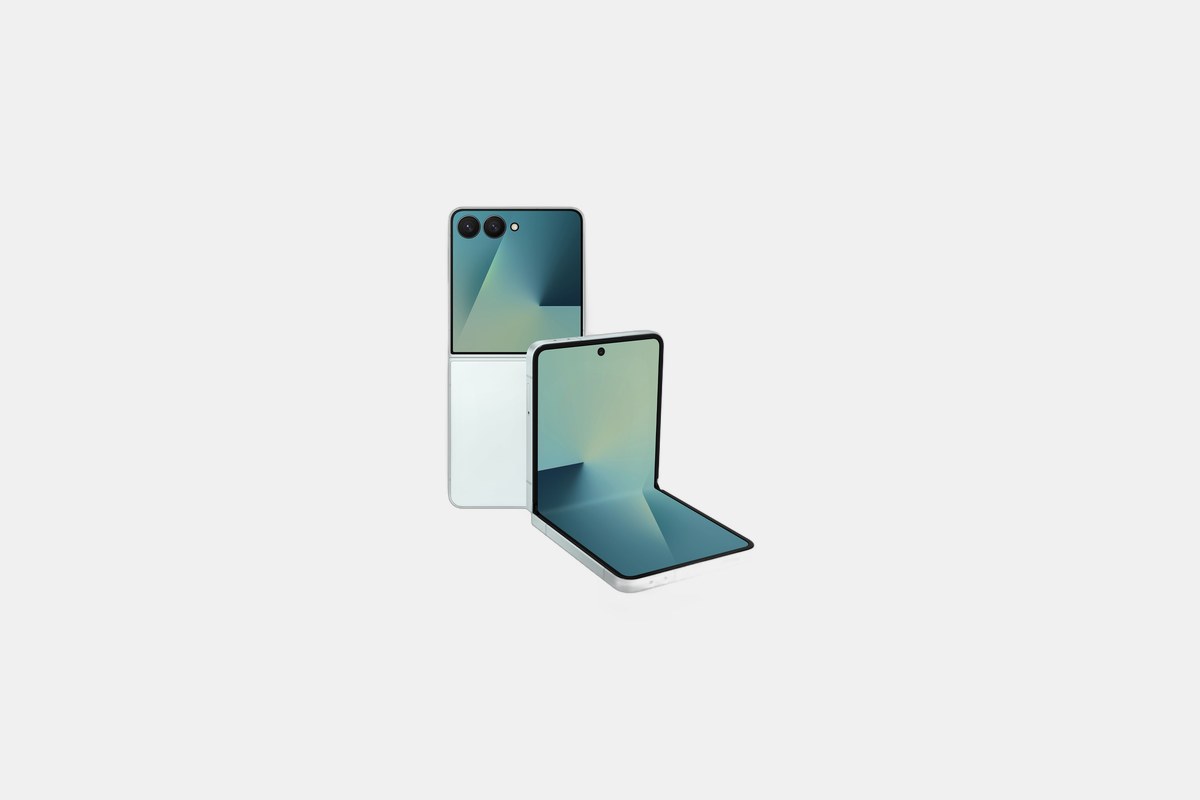
After testing every major release for the past few years, I can tell you the flip phone market in 2026 is split in two. You’ve got the ultra-powerful foldable smartphones that pack flagship specs into a pocketable design. Then you have the minimalist “dumb phones” designed for people who just want to call, text, and escape the noise.
I’ve spent weeks with each of these phones on my desk and in my pocket, swapping my SIM card between them. I’m measuring battery life by how many hours of screen-on time I get, not just what the spec sheet says. We’re looking at which cover screens are actually useful and which cameras hold up when the light gets low.
Whether you’re after the best foldable phone money can buy or a cheap flip phone for a digital detox, this is the only list you need. These are the best flip phones I’ve tested this year.
These are the modern foldables. They run full Android, have powerful processors, and feature large, usable cover screens that mean you don’t have to unfold them for every little task. They’re true flagship phones that just happen to fold in half.
The Motorola Razr 60 Ultra will set you back $1500, but it earns its price tag. If you want the absolute best overall experience in 2026, this is it.
Its massive 4-inch cover display is the star. I could run nearly any app on it without ever opening the phone, from replying to messages to watching YouTube. Performance from the Snapdragon 8 Elite and 16GB of RAM is ridiculously fast, and the 4700mAh battery easily got me through a full, heavy day. The 68W charging tops it up in about 40 minutes.
The 50MP cameras are solid, producing sharp, vibrant shots in good light. It’s a complete package that finally feels like a foldable without compromises.
The Downside: That $1500 price is steep, putting it out of reach for many.
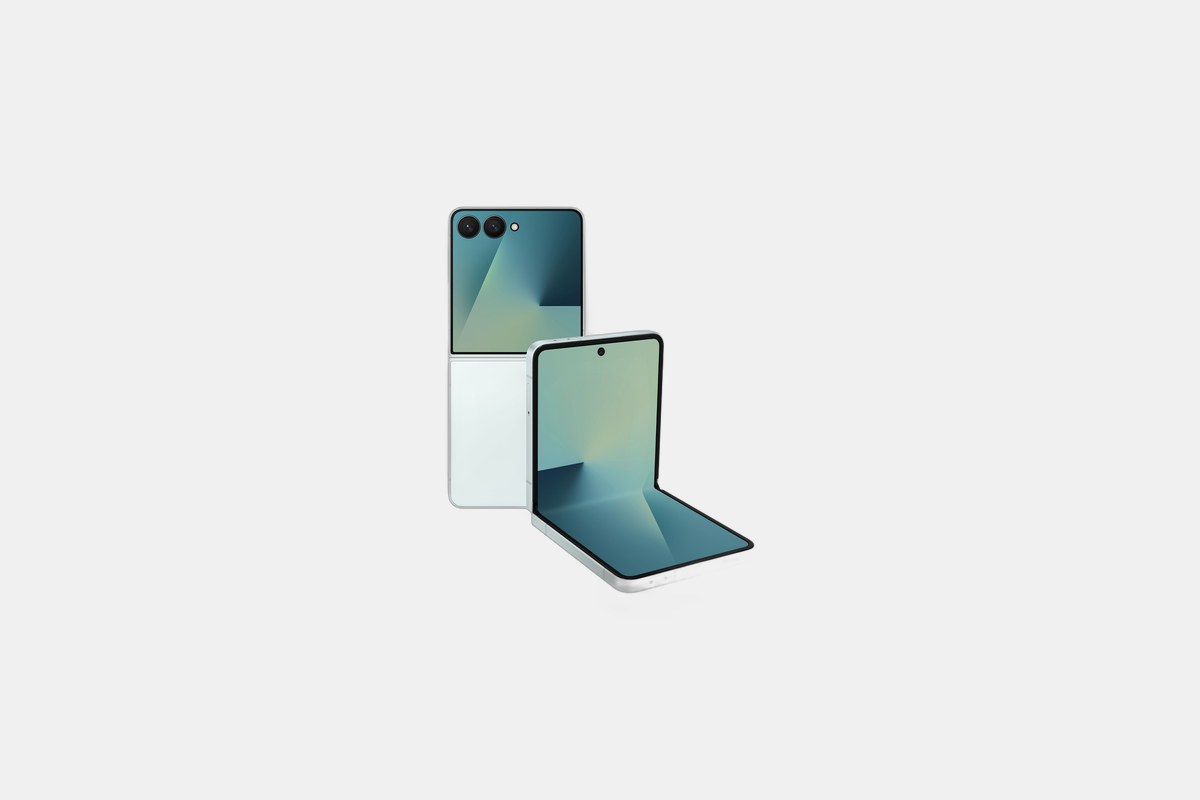
At $1100, the Galaxy Z Flip7 is Samsung’s most refined and powerful flip yet. It’s the obvious choice for anyone already in the Samsung ecosystem.
Samsung expanded the cover screen to a very useful 4.1 inches and the camera system is the best I’ve tested on a flip phone, period. The 50MP main sensor delivers incredible detail, and its low-light performance is a huge step up. Add in seven years of promised software updates and a suite of actually useful Galaxy AI features, and you have a productivity powerhouse.
The Downside: The battery is still just average. I consistently had to top it off before the end of a long day, which is a letdown compared to the latest from Motorola and Xiaomi.
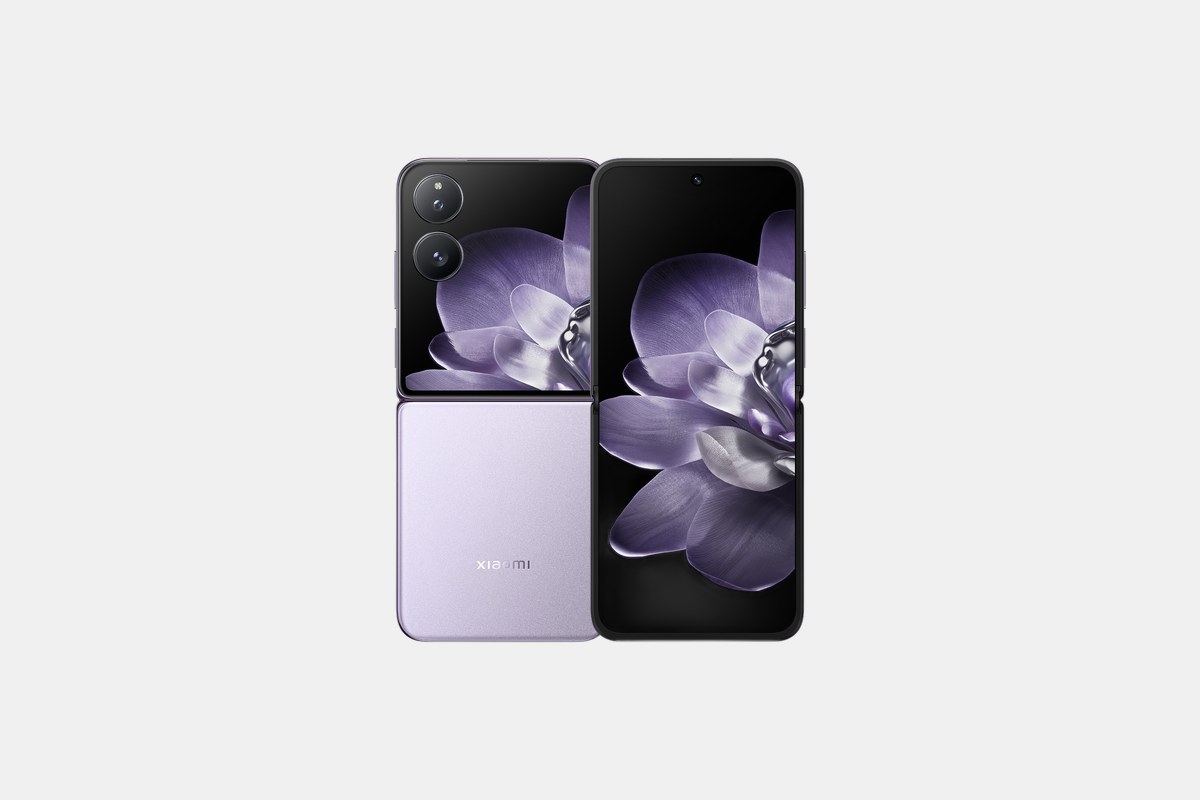
The Xiaomi Mix Flip costs around $1100 and is a battery champion. If you have range anxiety, this is the foldable to get.
I couldn’t kill the massive 4780mAh battery in a single day, no matter how hard I tried. The 67W charging is also blazing fast. The Leica-tuned 50MP cameras are fantastic, giving photos a distinct, punchy look that I really enjoyed. The dual screens are both top-tier, and the Snapdragon 8 Gen 3 processor keeps everything running smoothly.
The Downside: It’s not officially sold in the US, so you’ll have to import it. That means no warranty and potentially spotty carrier compatibility.
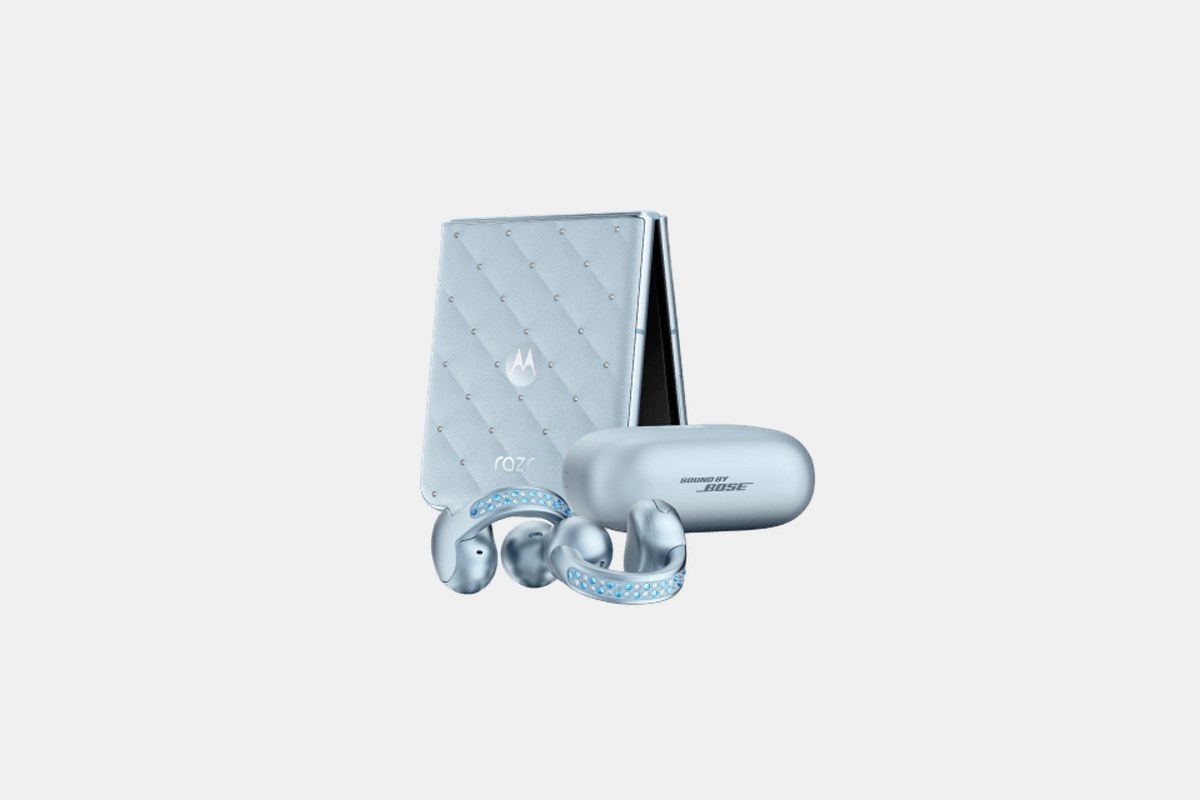
For $700, the Motorola Razr 50 is the best value in foldables right now. It brings the core experience of its more expensive sibling down to a much more accessible price point.
You still get a huge, fully functional cover display that lets you run full apps, which is the main reason to buy a Moto flip. The battery life is excellent, and the 50MP main camera is more than capable for daily snaps. It feels premium in the hand and doesn’t scream “budget.”
The Downside: The processor is a step down from the flagship models. You’ll notice it in heavy gaming or multitasking, but for day-to-day use, it’s perfectly fine.

Last year’s flagship, the Razr Ultra 2026, is now available for around $1300 and is still a beast. It’s a great option if you can find it on sale.
It packs the same Snapdragon 8 Elite chip as the newer flagships, and its performance is phenomenal. The dual 165Hz displays are gorgeous, and the 4700mAh battery provides excellent endurance. It’s essentially the blueprint for this year’s top-tier flip phones.
The Downside: Motorola’s software support isn’t as long as Samsung’s. You won’t get as many years of Android version updates, which is a bummer at this price.
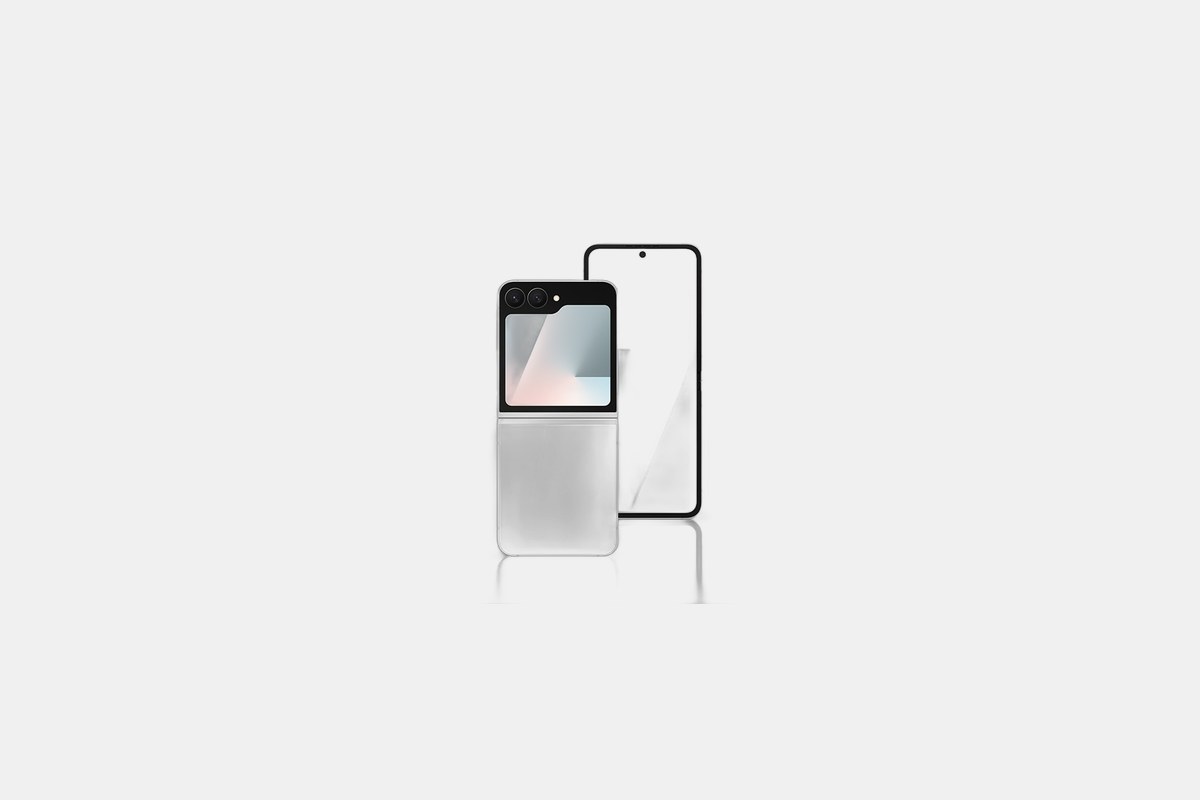
The Samsung Galaxy Z Flip7 FE is a smart move, bringing the foldable experience to a $900 price point. It’s for people who want the Samsung polish without the flagship cost.
It keeps the core design and feel of the more expensive Flip7. You get a beautiful folding AMOLED screen and a camera system that’s very good, especially in low light. For most people’s daily tasks, it feels just as fast and capable as its pricier sibling.
The Downside: To hit that price, Samsung made cuts. The processor isn’t the absolute latest, the cover screen is a bit smaller, and it lacks some of the premium bells and whistles of the full-fat Flip7.
Looking for a non-smartphone? These minimalist phones, often called “dumb phones,” are perfect for a digital detox. They focus on the basics: calls, texts, and maybe a few simple tools. No social media, no endless scrolling.
At just $90, the Nokia 2780 Flip is the king of cheap flip phones. It’s the perfect device if you want to disconnect without spending a lot.
It’s built for simplicity. You get a classic T9 keypad for texting, a 5MP camera that’s good enough for contact photos, and a removable 1450mAh battery. On standby, this thing lasts forever—Nokia claims up to 18 days, and I went well over a week without thinking about a charger. It runs KaiOS, so you do get a few basics like Google Maps if you’re in a pinch.
The Downside: This is a true non-smartphone. There’s no WhatsApp, no Instagram, no app store to speak of. That’s the point, but it can be a jarring transition.
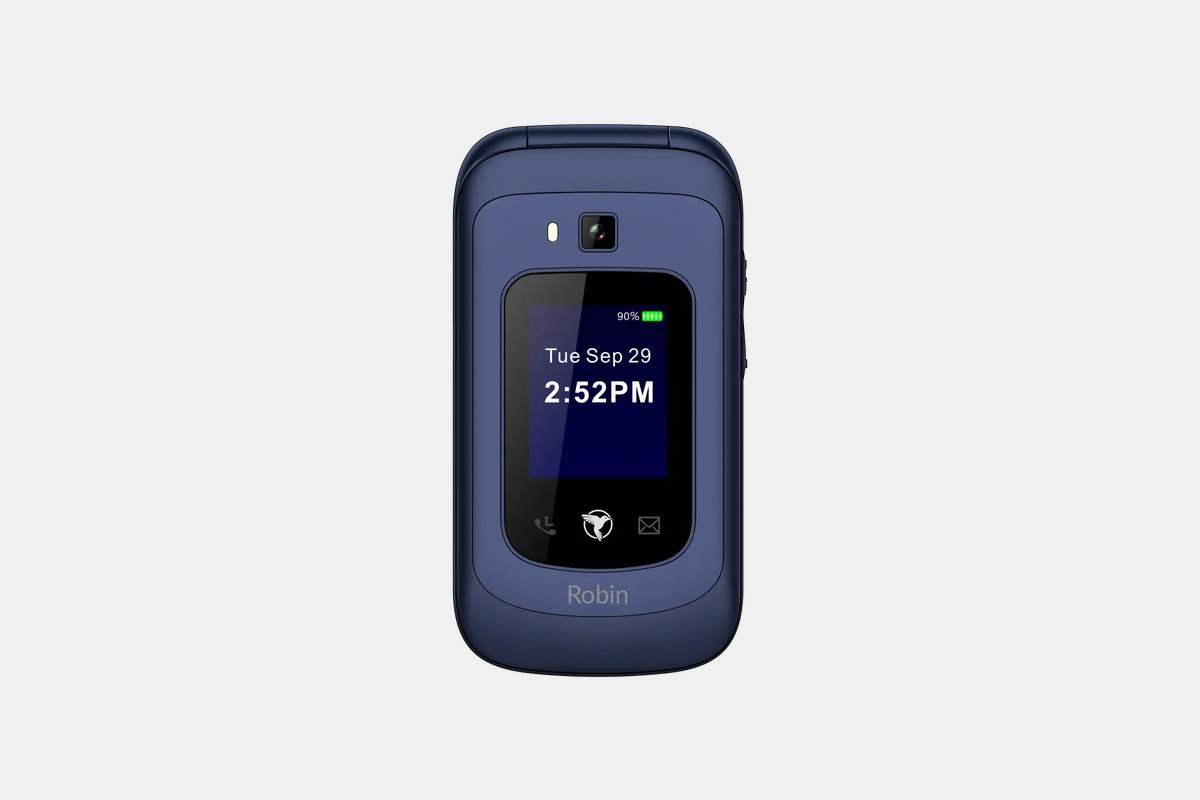
The Sunbeam F1 costs $200 and is the best modern feature phone I’ve tested. It’s designed for people who want a minimalist phone that doesn’t feel ancient.
Call quality is crystal clear, and the voice-to-text feature is surprisingly accurate, making texting much easier than on a T9 keypad. The inclusion of Waze for navigation and a weather app are huge quality-of-life wins. It’s also built like a tank and is water-resistant, so I wasn’t afraid to toss it in a bag.
The Downside: To get all the best features, like voice-to-text, you need to pay for a subscription. It feels a bit like a nickel-and-dime approach for a minimalist device.
When you’re choosing a flip phone in 2026, the first question is smart or simple? If you want a non-smartphone experience, your choice is easy. Look for great battery life, clear call quality, and a durable build like the Nokia or Sunbeam.
For smart foldables, the cover screen is everything. A larger outer display, like the one on the Motorola Razr 60 Ultra, fundamentally changes how you use the phone, allowing you to do more without unfolding. After that, look at battery life—I wouldn’t settle for anything under 4,500mAh if you’re a heavy user.
Finally, consider the camera and software support. Samsung leads the pack with camera quality and its promise of seven years of updates is hard to beat. But competitors are catching up fast, offering better battery life and more innovative hardware for your money.
12 Best Clear iPhone Cases
Top 8 Neckband Earbuds
7 Best Crossbody Phone Cases
Best Toddler Cameras