12 Best Clear iPhone Cases
12 Best Clear iPhone Cases

There’s something about holding a physical photo just seconds after you take it. In 2026, when every phone has a supercomputer camera, instant film cameras still feel like magic. They’re unpredictable, imperfect, and that’s exactly why I love them.
I’ve spent the last month surrounded by stacks of little white-bordered prints, testing the best instant film cameras you can buy. From simple point-and-shoots for parties to hybrid models that give you digital control, there’s a camera here for every budget and skill level. It’s about capturing a moment, not a perfect pixel-peeped file.
The Fujifilm Instax Mini Evo costs around $230, and it’s the one I keep coming back to. It’s a hybrid camera, meaning it’s a digital camera that prints on instant film. You get a 3.5-inch LCD screen on the back to see your shots before you commit to printing, which saves a ton of money on wasted film.
The real fun is in the creative controls. It has 10 lens effects and 10 film styles you can combine for over 100 different looks. It feels like a souped-up digital camera from the early 2000s, but with the instant gratification of a print. The build quality is fantastic, and it charges over USB-C.
The Downside: At over $200, it’s a lot pricier than a basic instant camera. You’re paying for the digital screen and creative flexibility.
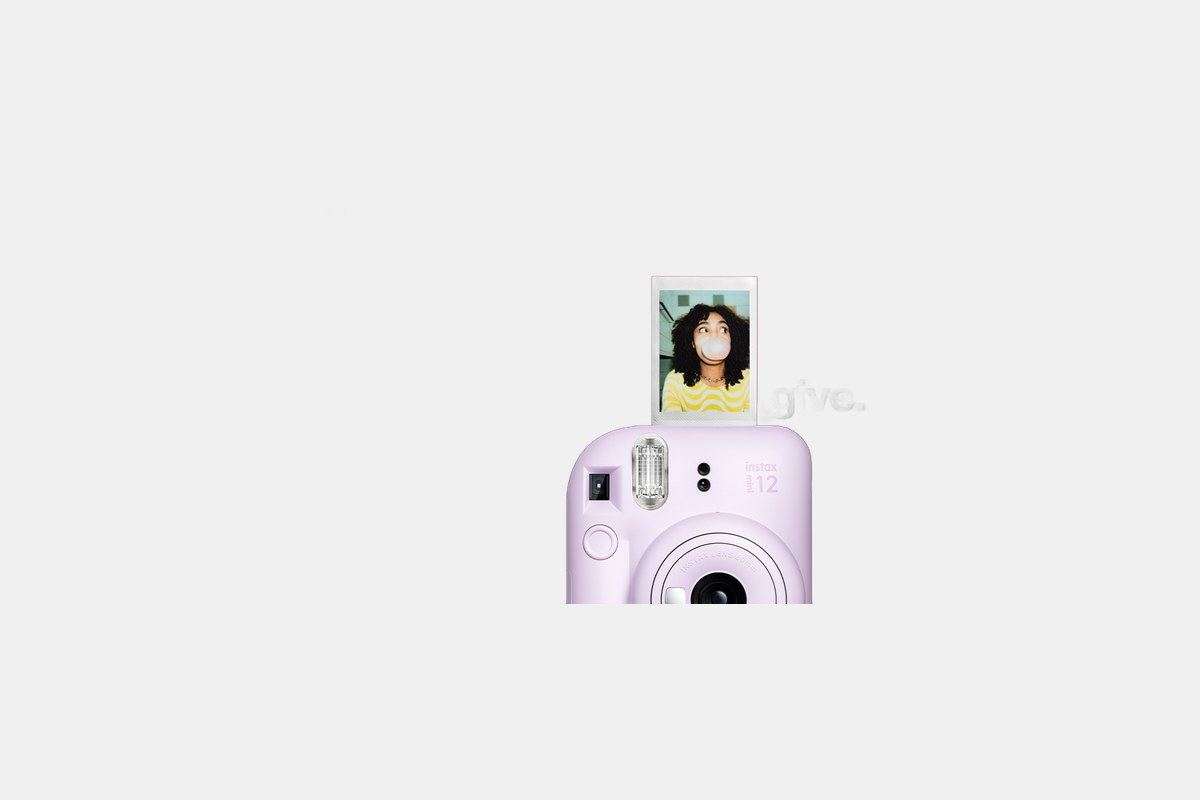
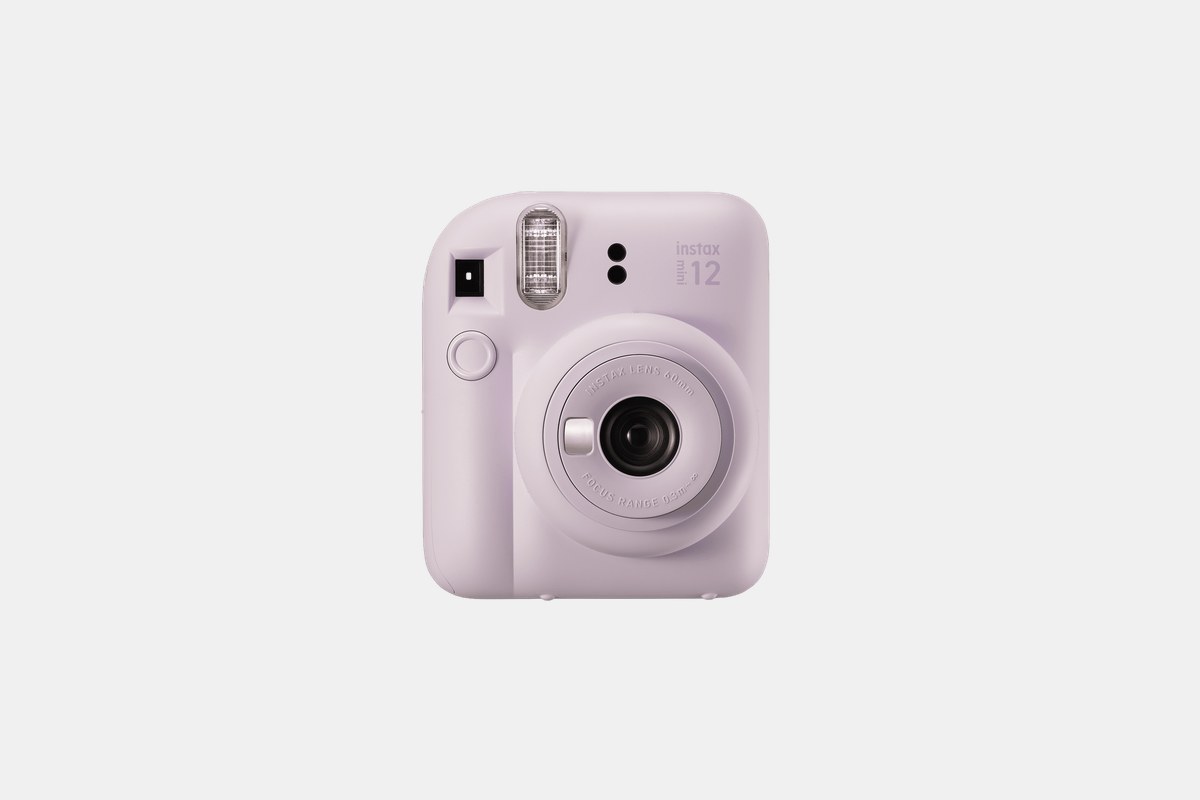
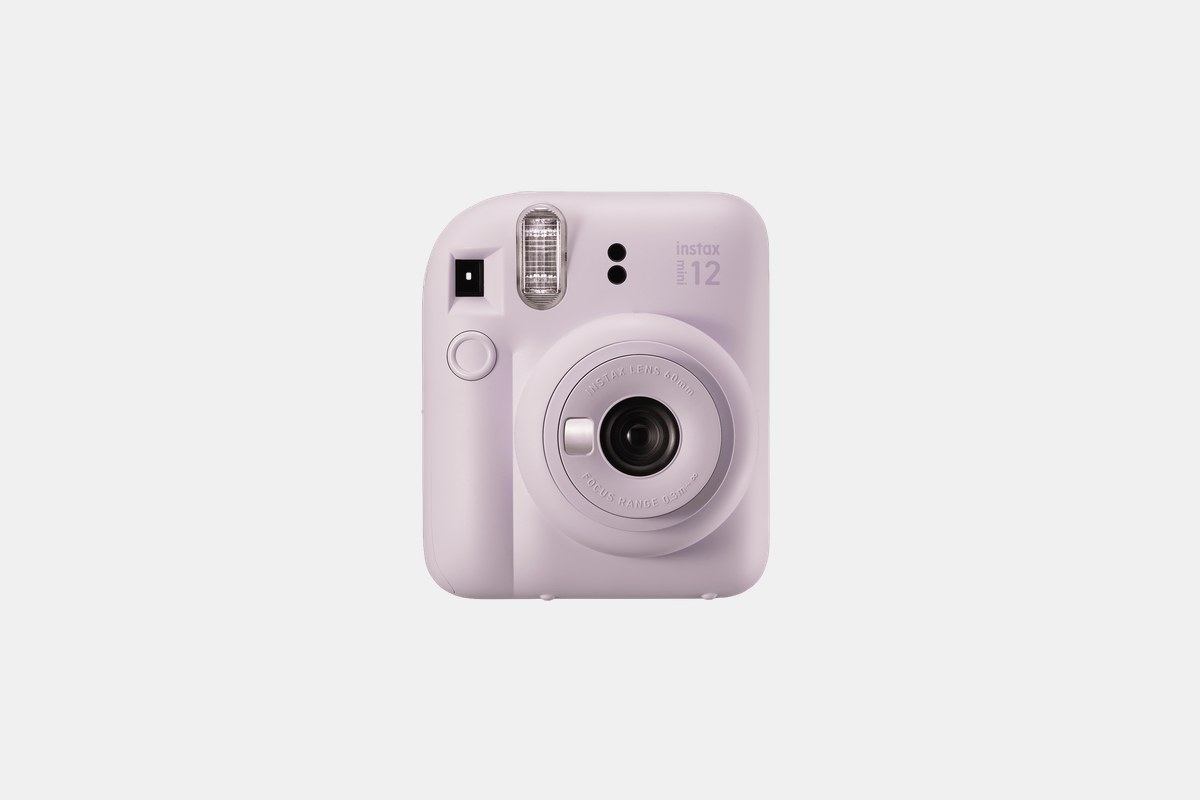
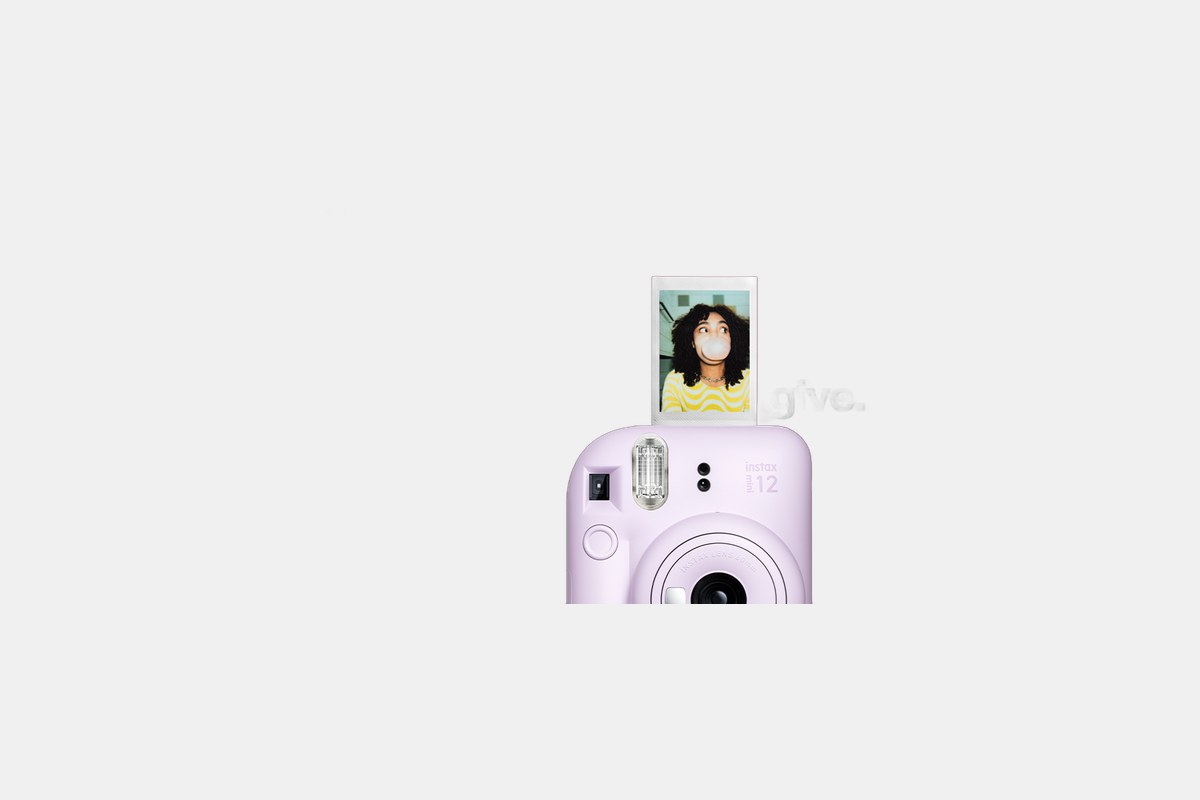
For just $85, the Fujifilm Instax Mini 12 is the perfect starter camera. I recommend this to anyone who just wants to point, shoot, and get a bright, fun picture without any fuss. There are no complicated settings to worry about.
The auto-exposure and automatic flash do a surprisingly good job of getting the lighting right, which was a huge problem on older, cheaper models. Just twist the lens to turn it on, and twist it again for the close-up selfie mode. Prints develop in about 90 seconds and the Instax Mini film is the most affordable, at around $0.75 per shot.
The Downside: It’s a pure point-and-shoot. You get zero creative control over exposure or focus, which is either a blessing or a curse depending on what you want.
The Instax Mini 99 is the camera for photographers who want more from their instant film. At $175, it’s a big step up from the Mini 12, adding a ton of manual controls that let you get truly creative. This is the most capable analog Instax I’ve ever tested.
It has a manual exposure dial with five brightness levels, plus dedicated modes for sports, bulb (long exposure), and double exposures. The 60mm f/12.7 lens is sharp, and the rechargeable NP-70S battery (charged via USB-C) is a welcome upgrade from AAs. This is the one for people who understand aperture and shutter speed.
The Downside: For all its pro features, Fujifilm left off a selfie mirror. It’s a baffling omission on an otherwise excellent camera.
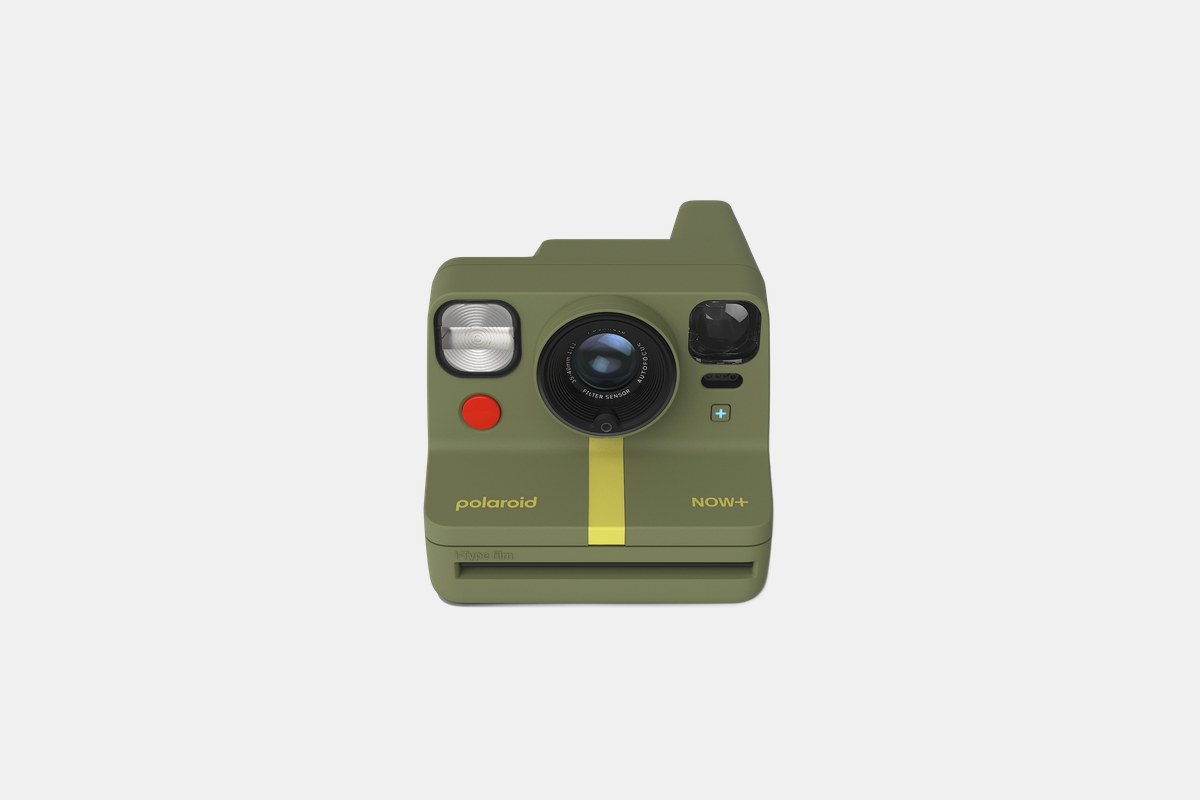
The Polaroid Now+ Gen 2 costs $150 and gives you that classic, large-format Polaroid experience with a modern twist. The big deal here is the Bluetooth connectivity. You download the Polaroid app to unlock a whole suite of creative tools.
Through the app, you can use a remote trigger, a self-timer, and even shoot in full manual or aperture priority modes. The autofocus two-lens system does a decent job of getting sharp shots, and the classic 600 film delivers rich blacks and that dreamy, nostalgic look.
The Downside: The film is expensive. At roughly $1.30 per photo, mistakes are costly. It’s a much bigger investment per shot than Instax.
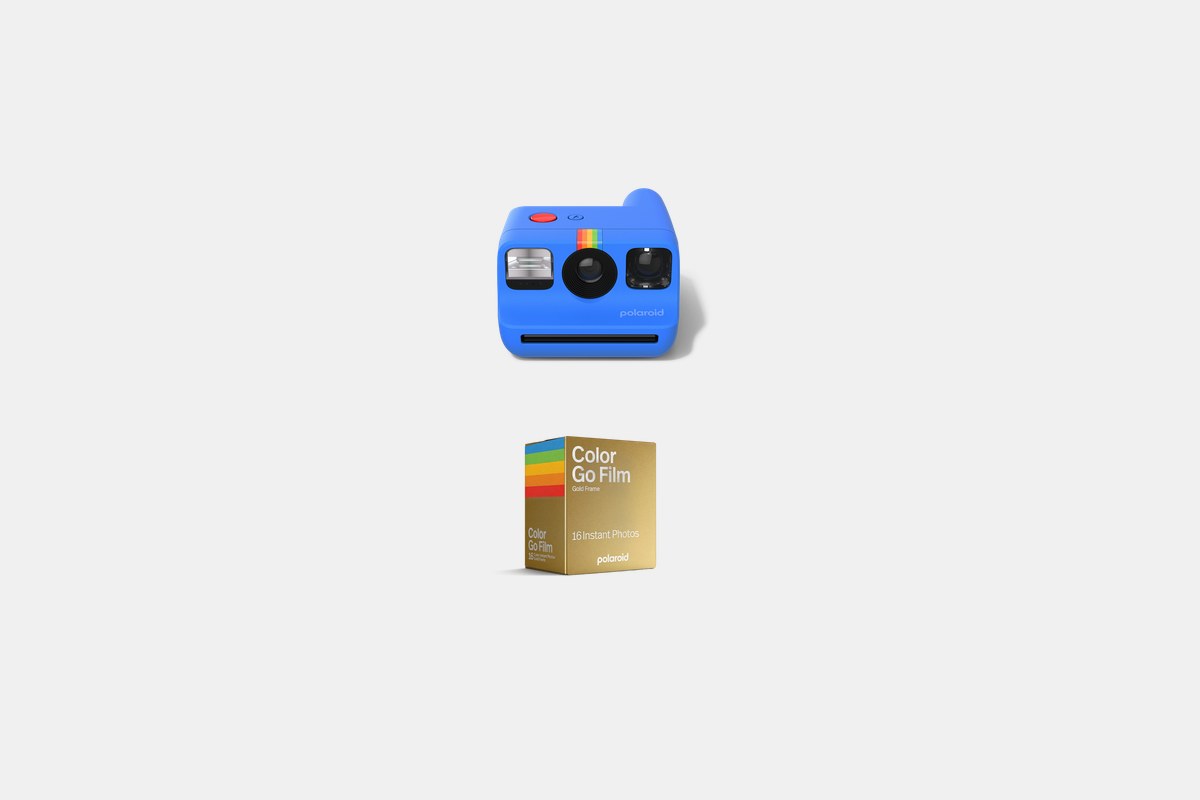
If you want ultimate portability, the $85 Polaroid Go Gen 2 is your camera. It’s ridiculously small—I can palm this thing easily. It’s a simple, fun camera that’s perfect for tossing in a bag for a day trip.
Despite its size and simplicity, the image quality is solid for what it is. It has a self-timer, an automatic flash, and recharges over USB. It’s the easiest way to get into the Polaroid ecosystem without spending a lot of money upfront.
The Downside: It produces the smallest instant prints on the market. They’re cute, but they lack the detail and impact of the larger Polaroid 600 or Instax Square formats.
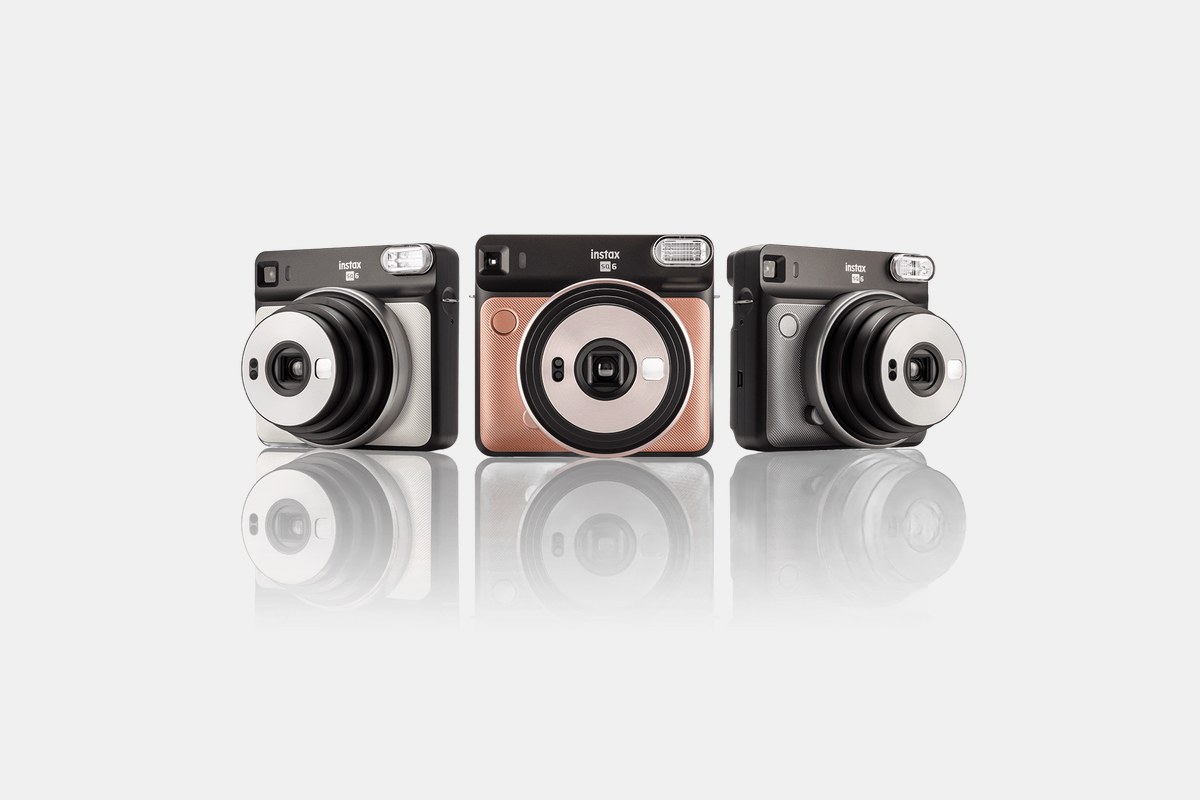
The Fujifilm Instax Square SQ6 is my favorite for social media lovers. For about $130, you get a camera that shoots in a 1:1 aspect ratio, just like an old-school Instagram post. The larger prints look fantastic pinned to a corkboard.
It’s packed with useful features like a dedicated selfie mirror right next to the lens, a macro mode for close-ups, and an automatic exposure that consistently delivers good results. The Instax Square film costs about $1.10 a sheet, striking a nice balance between the Mini and Polaroid formats.
The Downside: It runs on two CR2 batteries, which aren’t rechargeable and can drain pretty quickly if you’re using the flash a lot. Keep spares with you.
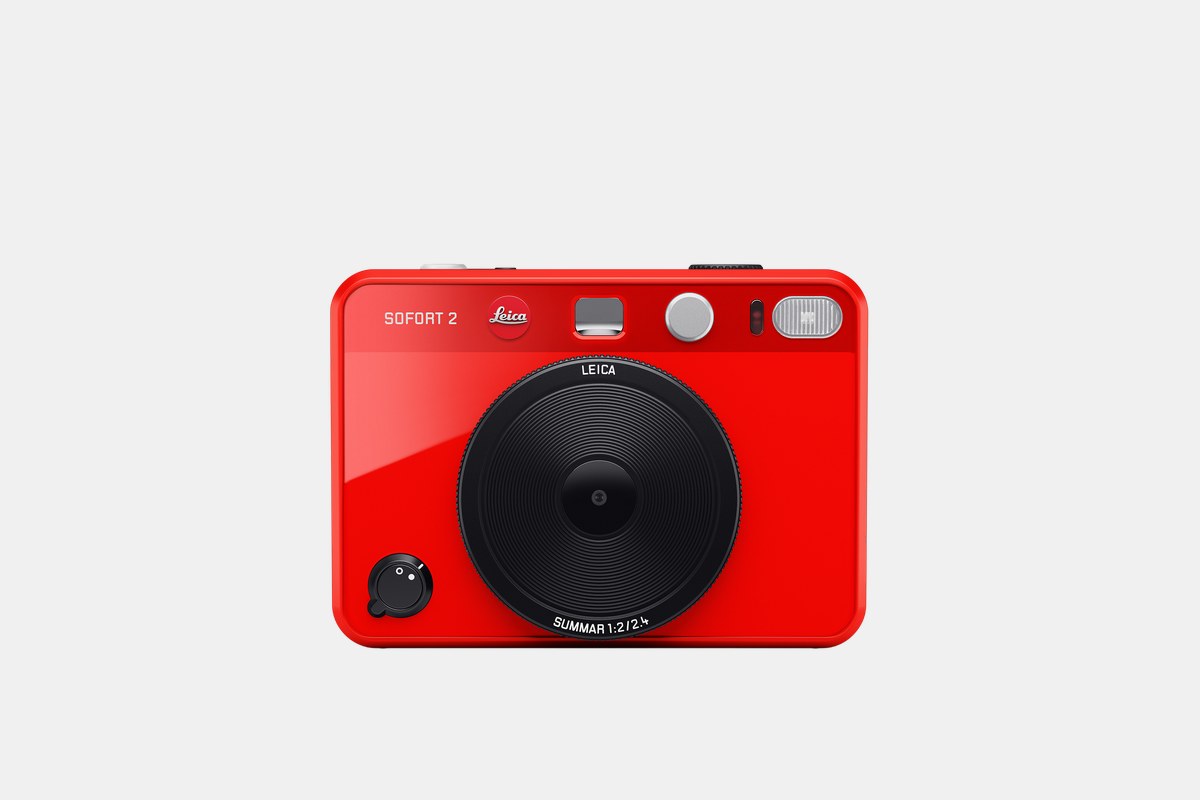
At $430, the Leica Sofort 2 is undeniably a luxury item. It’s a hybrid instant camera, much like the Instax Mini Evo, but wrapped in Leica’s signature minimalist design and premium materials. It feels incredible in the hand.
It uses standard Instax Mini film but gives you manual controls and the ability to save digital copies to a microSD card. The weather-resistant build gives you confidence to shoot in conditions where I’d leave other instant cameras in my bag. It’s a statement piece that also happens to take great photos.
The Downside: The price. You’re paying a massive premium for the Leica name and design when the core functionality is very similar to the much cheaper Instax Mini Evo.
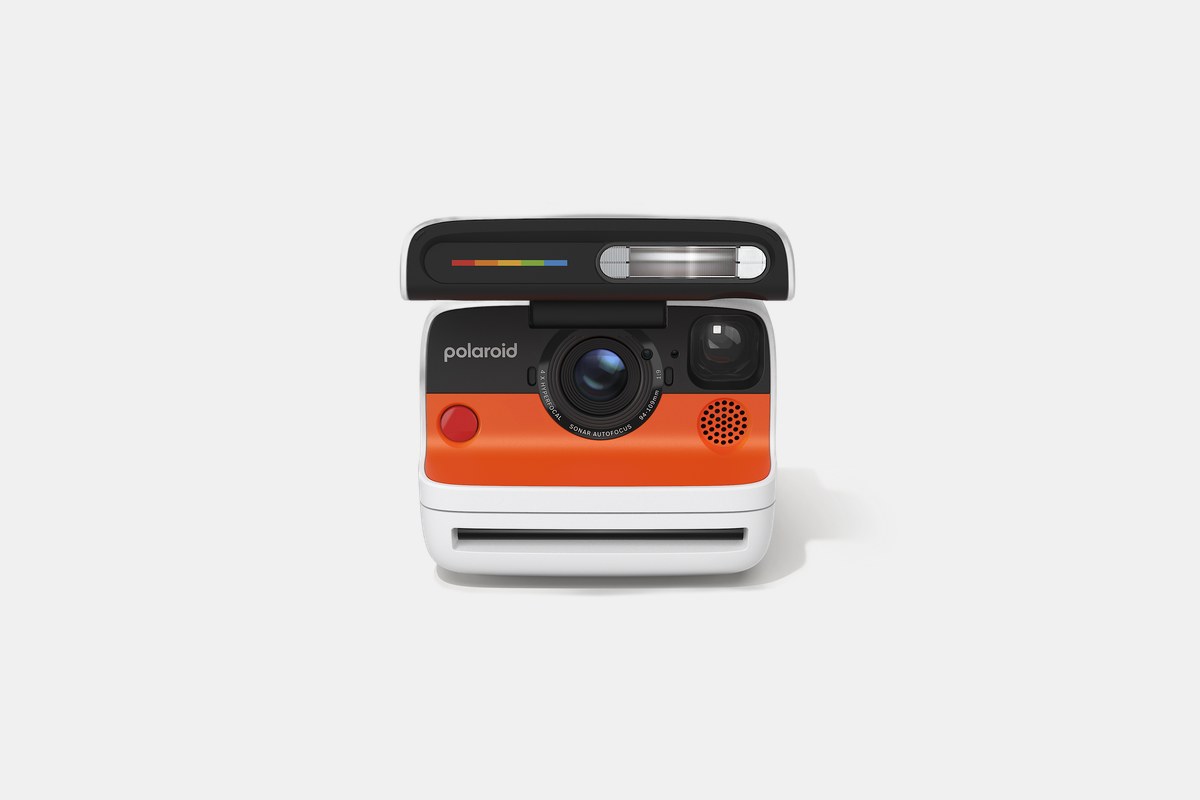
The Polaroid Flip, priced at $190, is a brilliant callback to classic designs. The whole camera is a compact package that flips open to reveal the lens and a powerful flash. It’s a great conversation starter and incredibly satisfying to use.
It features a sonar autofocus system that is surprisingly reliable, plus exposure compensation for tricky lighting. It charges via USB-C and offers a double-exposure mode for creative shots. It’s a fantastic point-and-shoot for getting reliable, large-format Polaroid pictures.
The Downside: Polaroid film chemistry is just slower than Instax. You’ll be waiting several minutes for the image to fully appear, which requires a bit of patience.
Choosing the right camera comes down to two things: film format and creative control. Your biggest ongoing cost will be the film itself, so check the price-per-photo before you buy the camera. Instax Mini is the cheapest, while Polaroid 600 is the most expensive, with Instax Square in the middle.
Next, decide if you want a simple point-and-shoot or something more advanced. Cameras like the Instax Mini 12 are great for parties and kids because they’re foolproof. But if you want to experiment with double exposures or control brightness, you’ll need a more advanced model like the Instax Mini 99 or Polaroid Now+.
Finally, consider the hybrid route. Models like the Fuji Mini Evo and Leica Sofort 2 let you review your shots on an LCD screen before printing. This saves a lot of money on wasted film and lets you share digital copies, giving you the best of both worlds. You lose a little of the analog spontaneity, but you gain a ton of control and flexibility.
12 Best Clear iPhone Cases
Top 8 Neckband Earbuds
7 Best Crossbody Phone Cases
Best Toddler Cameras