Best Things to Pack for a Cruise
Best Things to Pack for a Cruise

Let’s be real: long flights are a special kind of hell. You’re trapped in a metal tube with recycled air, a crying baby three rows back, and legroom designed for a doll. I’ve spent more hours than I can count testing gear at 35,000 feet, all in the name of finding the stuff that actually makes a 12-hour flight feel less… awful.
And I’ve found them. From pillows that prevent the dreaded head-bob to headphones that make you forget there’s a jet engine attached to your seat, these are my ride-or-die travel companions. After stuffing my carry-on with hundreds of products, these are the absolute best flight essentials for 2026.
So, before you book that non-stop to Tokyo, do yourself a favor and stock up. Your future, well-rested self will thank you.
Forget those floppy U-shaped pillows you buy at the airport. These are engineered for actual sleep, not just for looks.
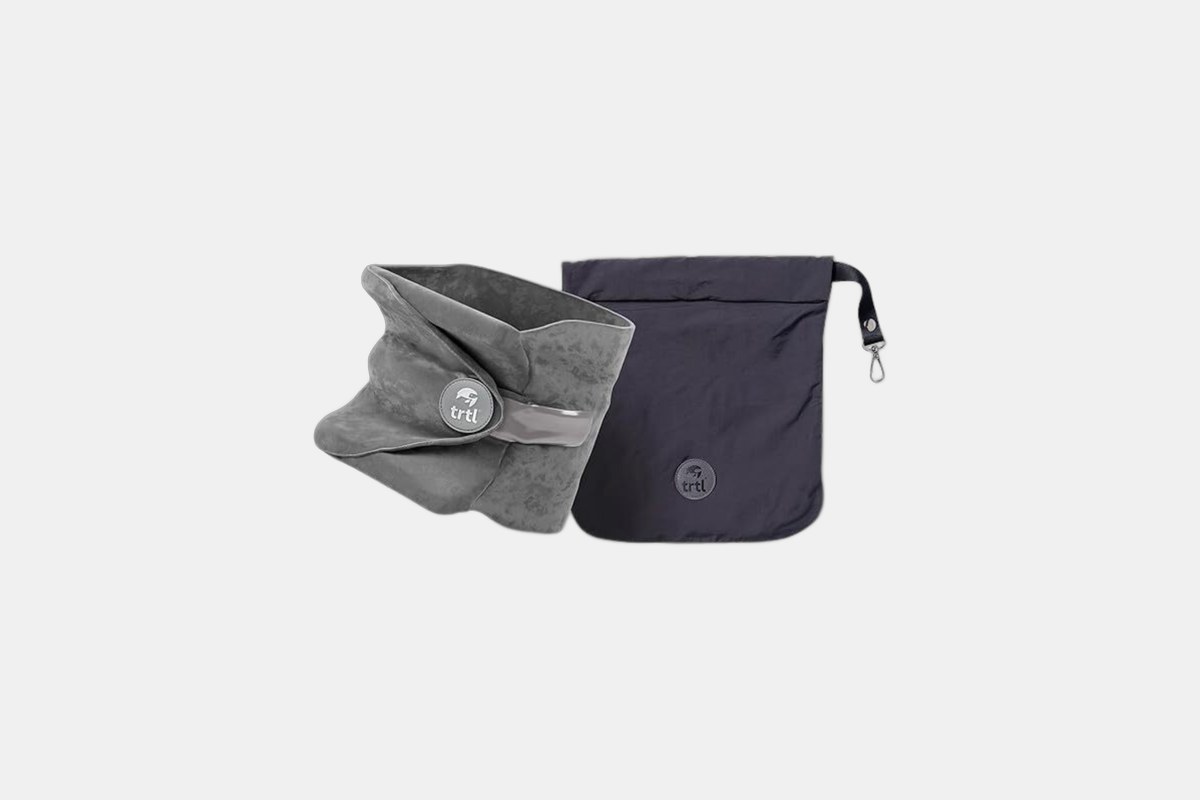
The Trtl pillow will set you back $60, and honestly, it’s worth every penny. It looks like a scarf, but inside there’s a surprisingly stiff support system that holds your head and neck in a perfect, non-slumped position. I’m a side-sleeper, and this is the only thing that prevents me from waking up with a massive crick in my neck.
You just wrap the soft fleece around your neck, position the support where you need it, and you’re good to go. It feels structured without being bulky, and it packs down into a tiny water-resistant case. No more clipping a giant pillow to your backpack.
The Downside: It’s really designed for one-sided support. If you’re someone who likes to lean their head straight back, this might not be your jam.
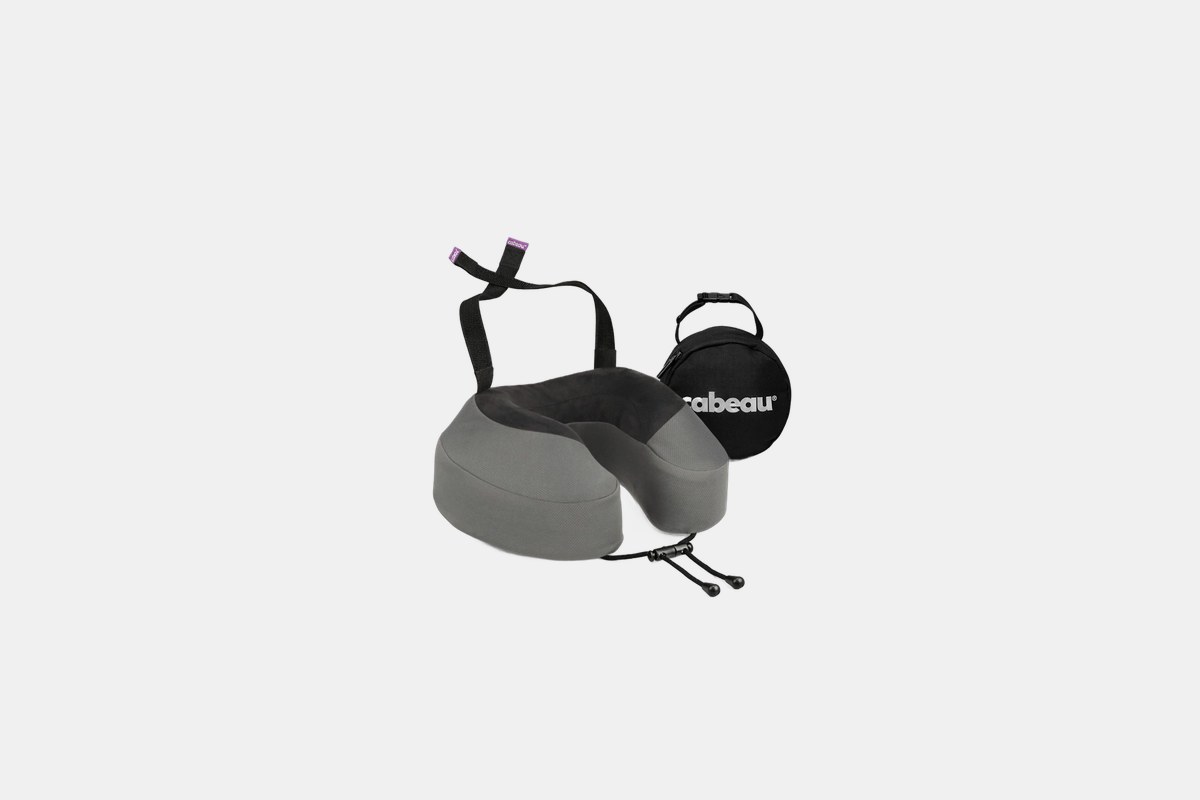
For $40, this is the pillow for anyone who’s a victim of the dreaded mid-flight head bob. Its secret weapon is a set of straps that you anchor to the airplane headrest. No, seriously. It keeps the pillow (and your head) from lurching forward every time you drift off.
The premium memory foam is super comfy and the raised sides give you something to lean into. It completely cradles your neck, making it way easier to get some deep sleep in a cramped economy seat. Plus, it squishes down to half its size in its little travel bag.
The Downside: When it’s fully unpacked, it’s definitely bulkier than some other options on this list.

If you’re picky about your pillow firmness, this $59 option from Coop Sleep Goods is for you. It has a built-in pump so you can inflate it to your exact liking—from soft and squishy to firm and supportive. It’s a mix of inflatable air and memory foam fill, so you get the best of both worlds.
I love how versatile it is; you can wear it six different ways depending on your sleeping style. The cover is also machine-washable, which is a huge plus after it’s been all over an airport. It’s my go-to when I want a custom fit without the bulk.
The Downside: It takes about 30 seconds of pumping to get it fully inflated, which feels like a mini workout when you’re just trying to pass out.
Engine drone? Chatty Cathy in the next seat? Bright cabin lights? Not on my watch.
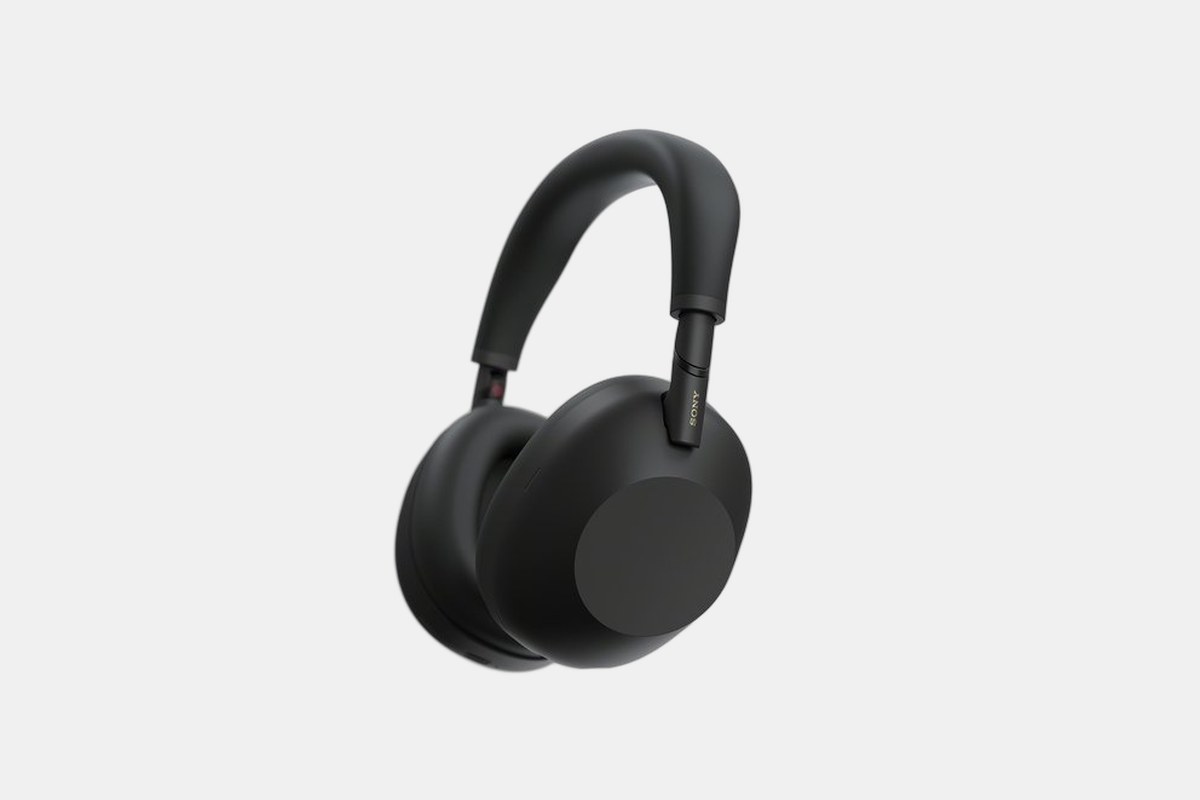
Okay, at $450, these are a splurge. But if you fly a lot, they are an investment in your sanity. The noise-canceling on these is absolutely unreal. They use 12 different microphones to completely silence that low engine hum and even mid-range chatter. It’s like being in your own silent bubble.
The sound quality is incredible for music and movies, and the battery lasts up to 40 hours, so you’re covered for even the longest travel days. When the flight attendant comes by, the transparency mode sounds super natural, so you don’t have to rip them off your head to order a ginger ale.
The Downside: The price is steep. There’s just no way around it.
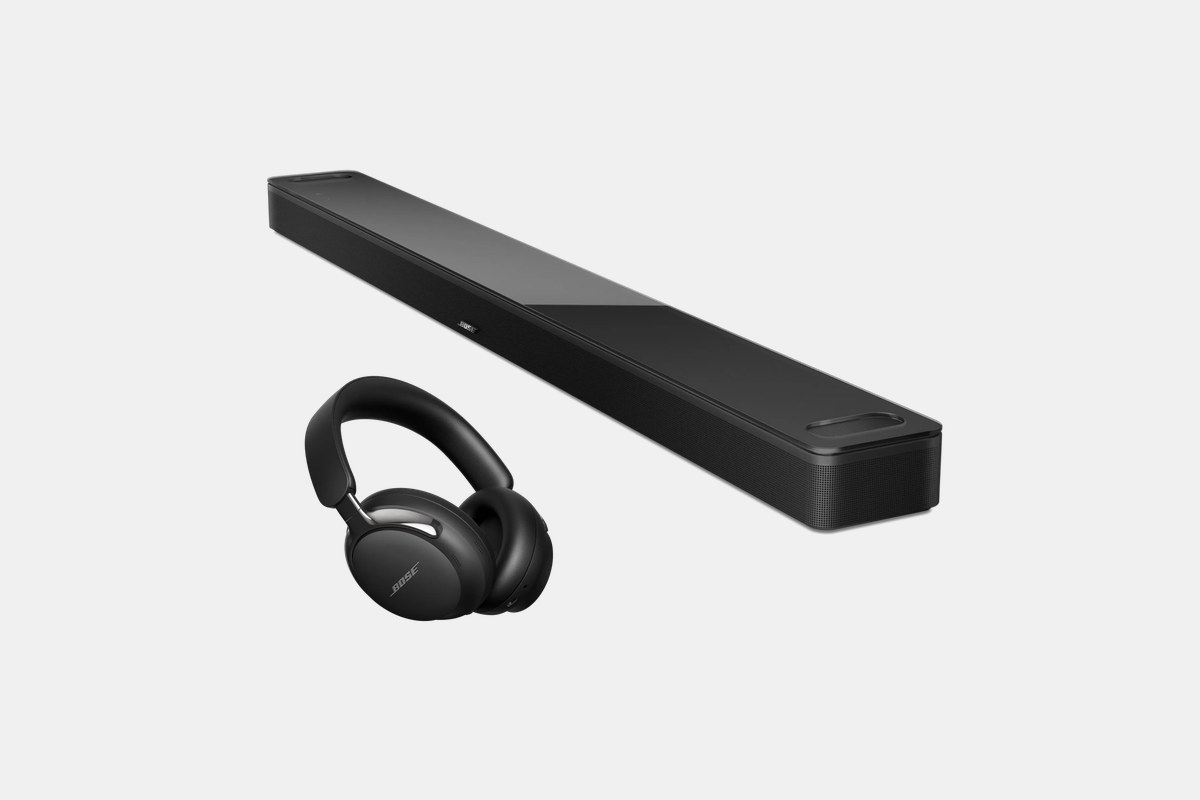
For a slightly less eye-watering $430, the Bose QuietComfort Ultras are famous for a reason. They are so ridiculously lightweight and comfortable, I can wear them for a 10-hour flight without my ears getting sore. The noise-canceling is top-tier, creating an immersive little world where you can focus on your movie or just sleep in peace.
The audio is fantastic, and you can customize the EQ in the app to get it just right. They also fold up neatly into a compact case that’s easy to toss in your carry-on.
The Downside: They are still over-ear headphones, so they’re heavier and bulkier than a pair of earbuds.
This $40 silk eye mask feels like pure luxury. After testing a dozen cheap, scratchy masks, this one was a revelation. It provides total, complete blackout from those annoying cabin lights, and the 100% mulberry silk is so gentle on the delicate skin around your eyes.
It has an adjustable band so it fits perfectly without being too tight, and it doesn’t slip off or pull my hair when I’m shifting around. It also stays surprisingly cool and breathable, which is exactly what you want on a stuffy plane.
The Downside: It’s definitely pricier than the basic masks you can grab at the airport pharmacy.
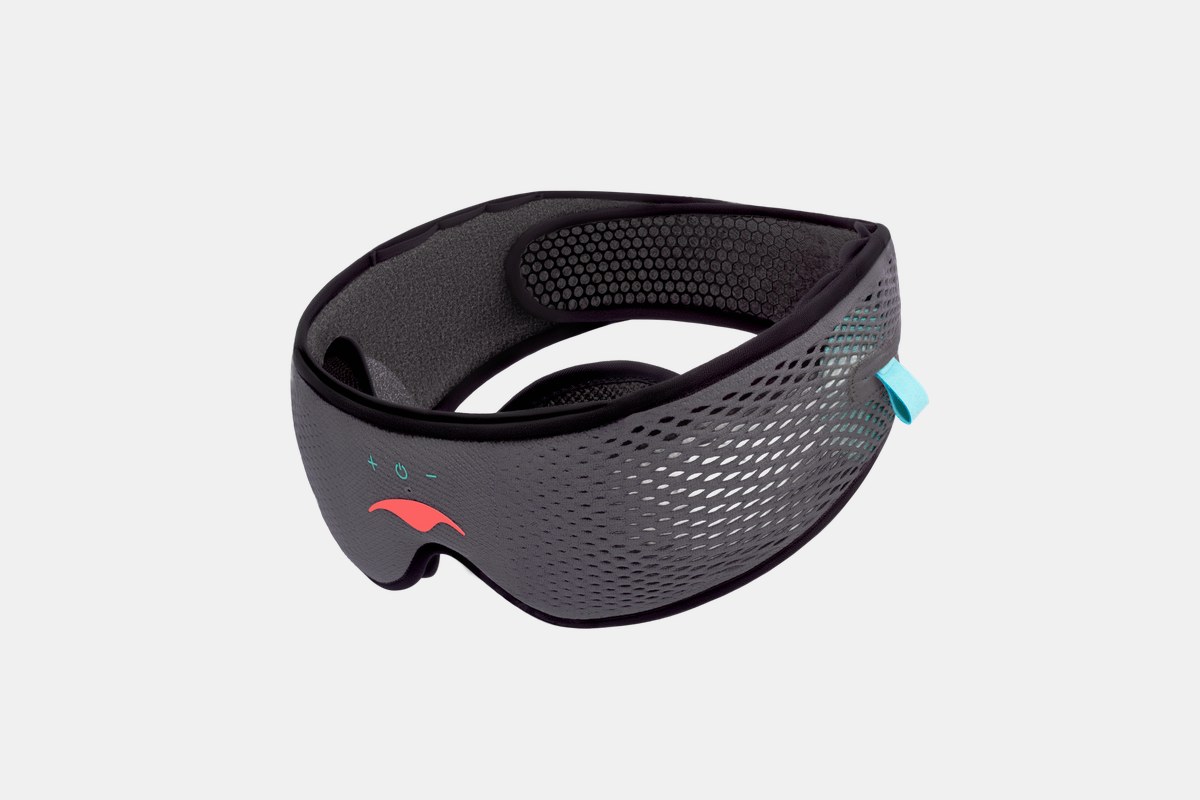
I am obsessed with this $75 sleep mask. It’s not just a mask; it has super-slim Bluetooth headphones built right in, so you can listen to a podcast or a meditation app as you drift off. And because the headphones are so flat, you can actually sleep on your side without a hard plastic earbud digging into your ear canal.
The eye cups are adjustable, so you can position them for a perfect, no-light-leaks fit. It creates a pitch-black, personal soundscape that makes it so much easier to sleep on a noisy plane.
The Downside: The battery life for the headphones isn’t endless, so it might not last through an entire 15-hour flight if you’re listening the whole time.
A few small upgrades can make a world of difference when you’re stuck in the back of the plane.
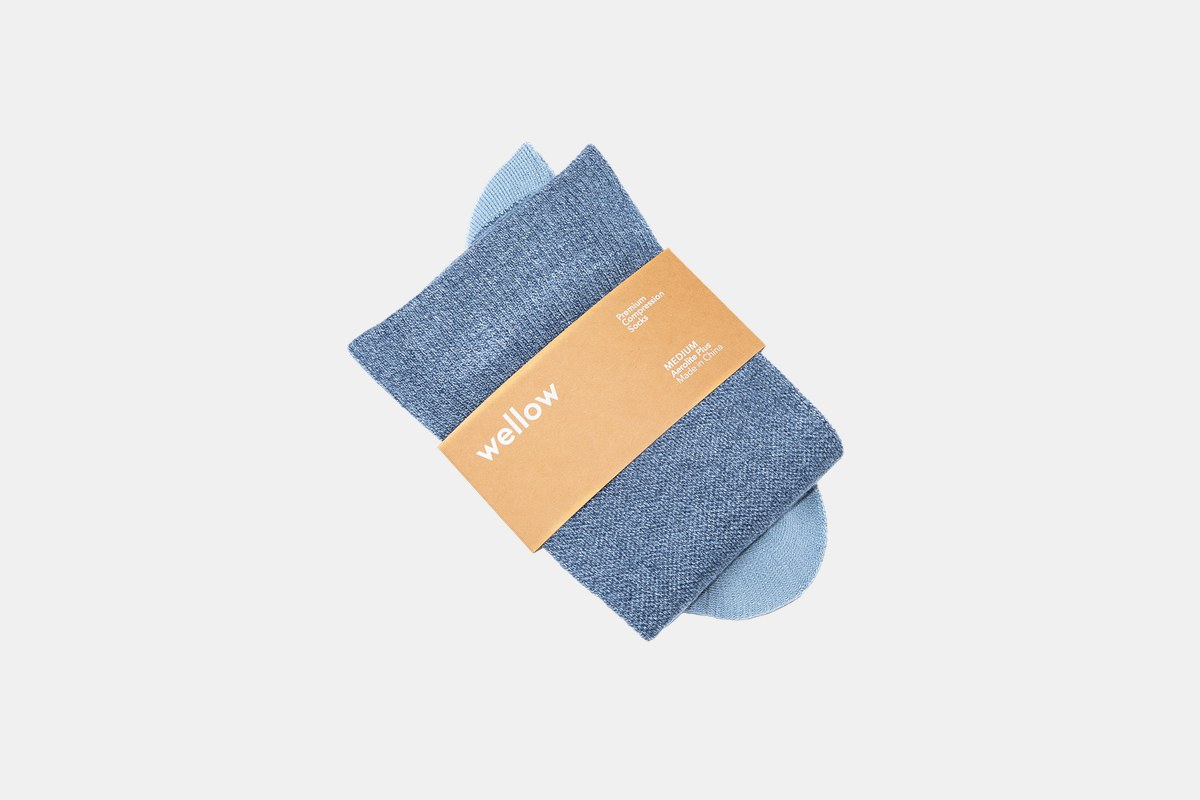
At just $30, these compression socks are a non-negotiable for me on any flight over four hours. They prevent your feet and ankles from swelling up like balloons, which is not a cute look. I love this pair from Wellow because the bamboo blend is super soft and breathable—my feet never get sweaty or overheated.
They provide just the right amount of graduated compression (18-25 mmHg) to keep your circulation going without feeling like you’re being strangled. They’re also thin enough to wear comfortably with my normal travel shoes.
The Downside: The compression level is moderate, so if you have a medical condition requiring more pressure, you’ll need a medical-grade pair.
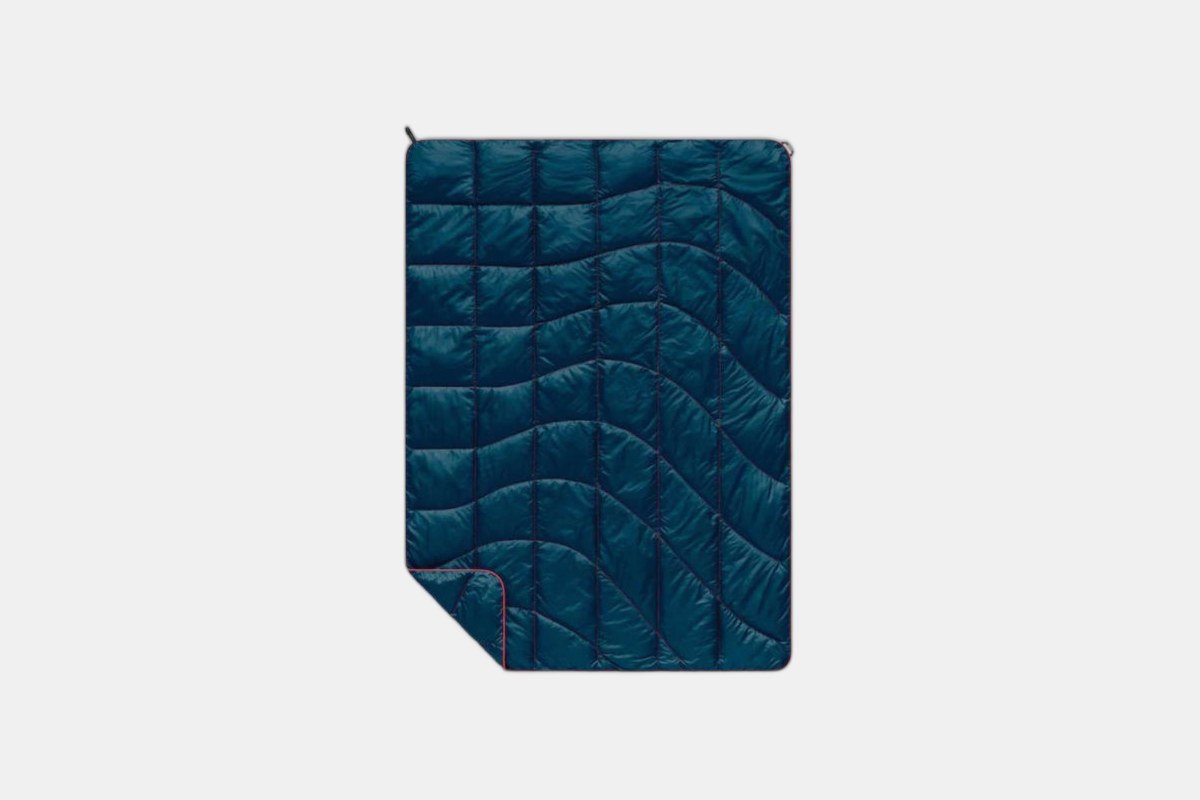
Those flimsy airline blankets are basically useless. For $65, this Rumpl travel blanket is a total lifesaver. It packs down into a stuff sack the size of a water bottle but unfolds into a cozy, full-size blanket that’s way warmer and softer than anything the airline gives you.
My favorite feature is the “cape clip,” which lets you wear it hands-free so it doesn’t slide onto the gross airplane floor. The insulation is made from recycled materials but feels just like down. I’m always cold on planes, and this thing keeps me perfectly toasty.
The Downside: It’s not the easiest thing to just toss in the washing machine, so you have to be a bit more careful with it.
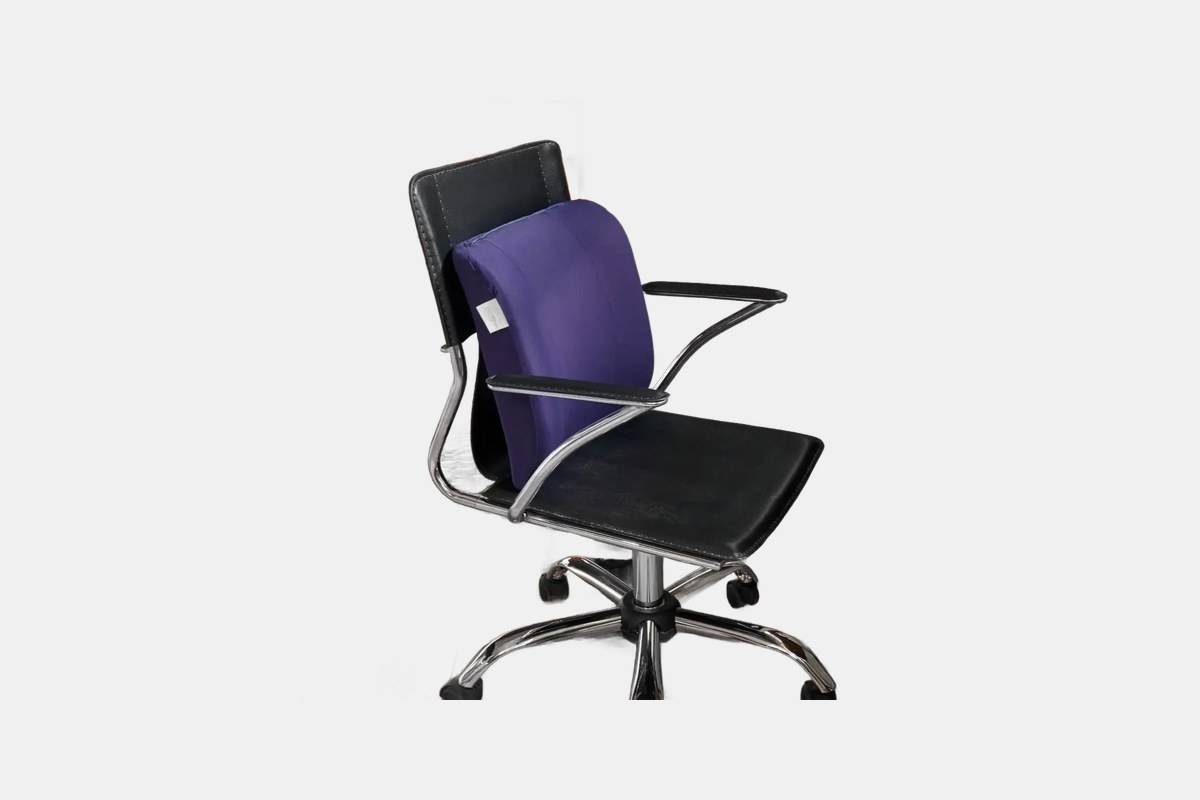
If you have back pain, this $40 lumbar cushion is a must. Airplane seats are notoriously un-ergonomic, and this little cushion slides into the small of your back to maintain your spine’s natural curve. The memory foam is incredibly supportive and pressure-relieving.
It’s made by the same people who make the famous mattresses, so you know the quality is there. It’s lightweight, has a breathable cover, and makes sitting upright for hours so much more bearable.
The Downside: There are no straps to secure it to the seat, so it can shift around a bit if you move.
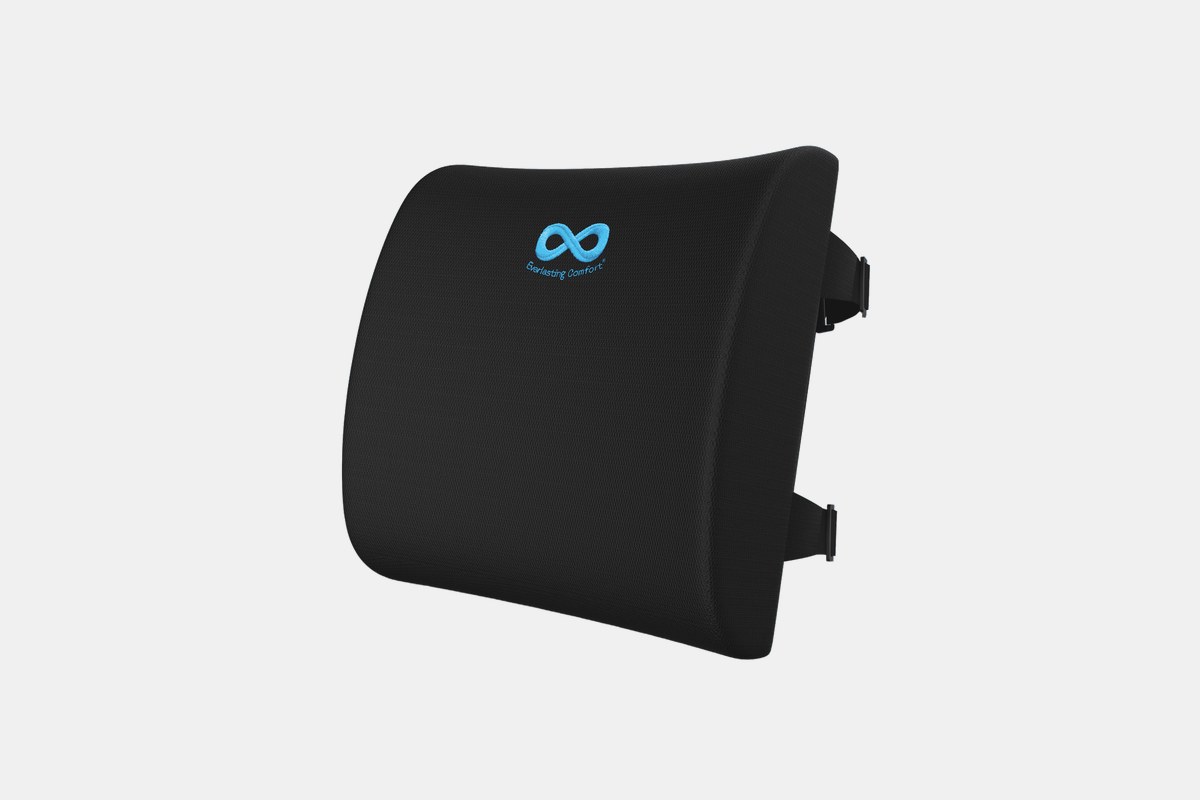
For a more budget-friendly option, this $30 lumbar pillow gets the job done. It’s a bit larger, which I found works really well for those wider airplane seats, and it’s perfect for taller people who need more coverage. The high-density memory foam provides solid posture support.
The mesh cover keeps it from getting too hot, and it stays put pretty well even without straps. It’s a simple, effective way to combat back pain on a long-haul flight.
The Downside: Like the Tempur-Pedic, it lacks straps, so you might have to readjust it occasionally.
Never get caught with a dead phone or a desperate thirst post-security again.
Buying a $5 water bottle at the airport is my personal nightmare. Instead, I bring my empty $35 Hydro Flask through security and fill it up at a fountain. This thing keeps water ice-cold for literally 24 hours, so I have chilled water for my entire journey. No more begging for tiny plastic cups of room-temp water.
The straw lid is completely leakproof (I’ve tested this extensively inside my very expensive bags), and the 24oz size is big enough to last a while but still fits in most seat-back pockets and cup holders. It’s super durable, too.
The Downside: Because it’s so well-insulated, it’s definitely heavier than a basic plastic bottle.
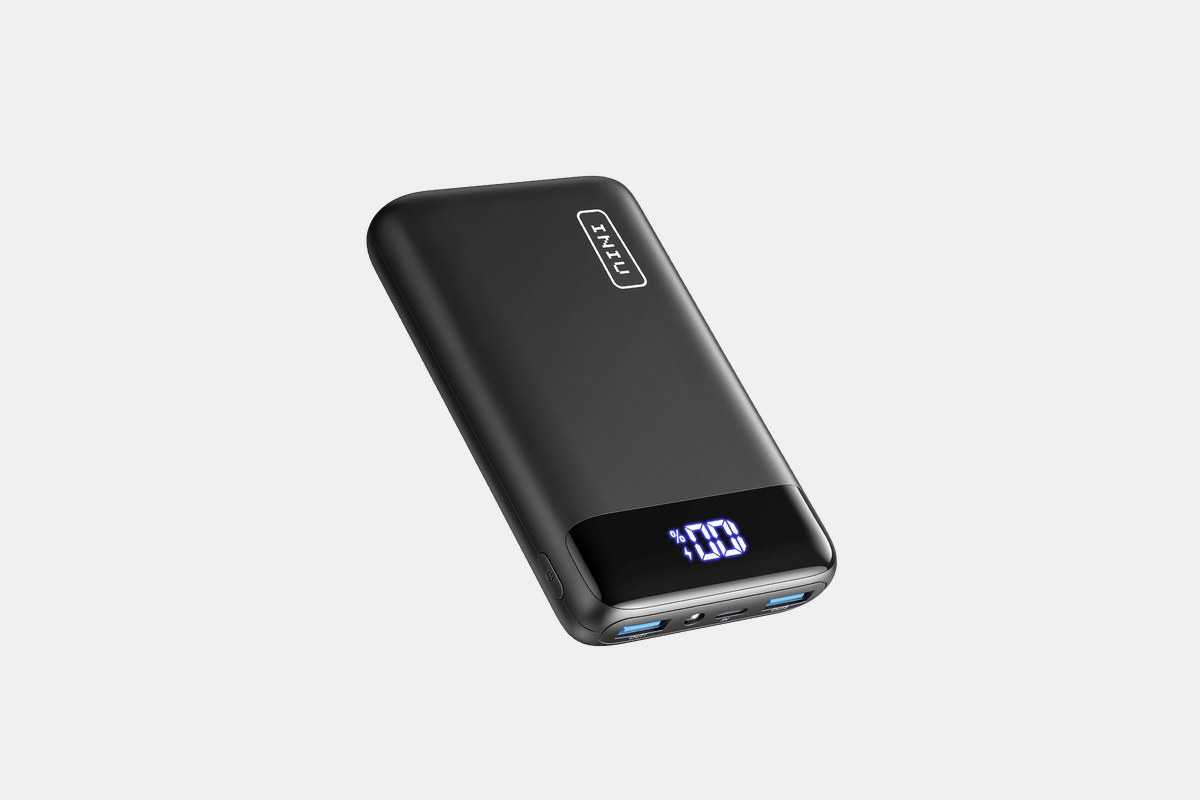
Relying on the in-seat USB port is a rookie mistake. This $25 power bank is my insurance policy against dead devices. It’s compact, TSA-approved, and has enough juice to charge my phone multiple times over, plus my headphones.
It has multiple ports for charging more than one thing at a time, and it charges them fast. For the price, the peace of mind is unbeatable. No more panicking when your phone hits 10% right before landing.
The Downside: It doesn’t have wireless charging capabilities, so you’ll still need your cables.
Sometimes you just need to block everything out. And I mean everything.
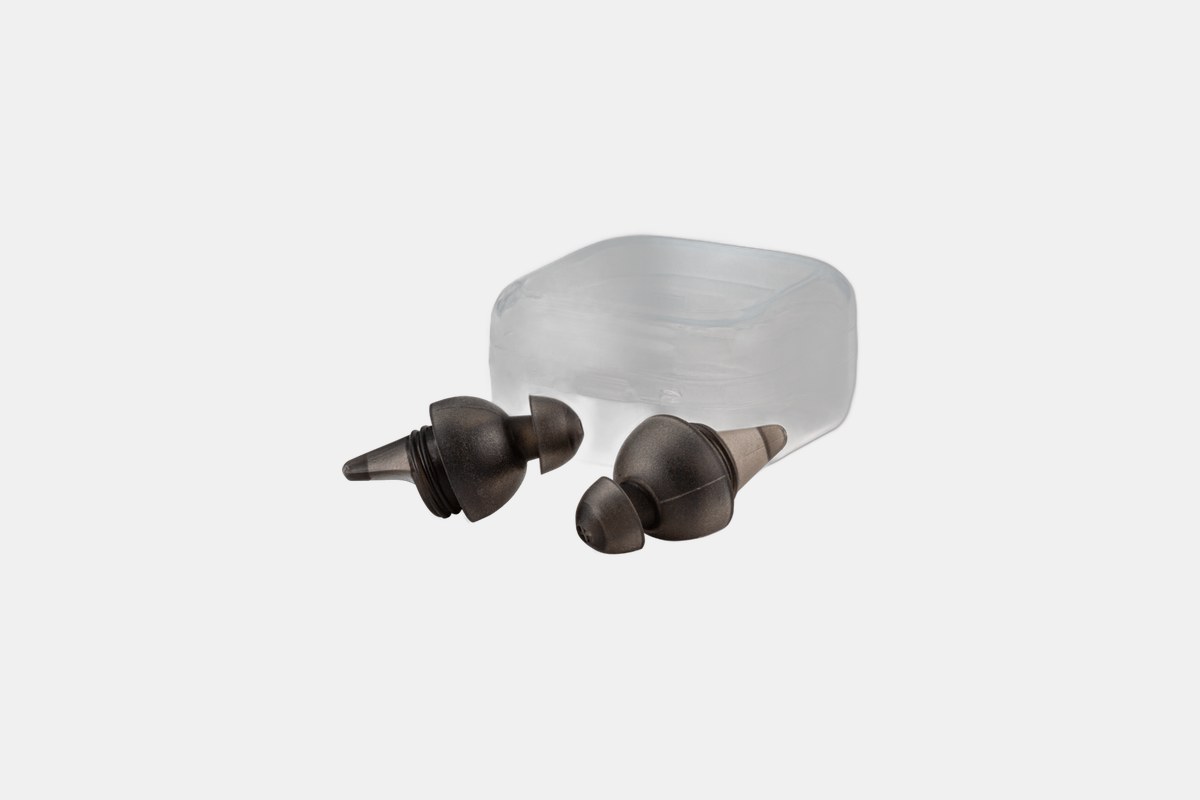
These $39 reusable earplugs are fantastic for sleeping. They promise up to 27dB of noise reduction, which is enough to seriously dull the engine hum and any nearby snoring. I love them because they have a special pressure-equalizing chamber that makes them comfortable to wear during takeoff and landing.
The three-tiered silicone design creates a great seal, and they come with multiple tip sizes to ensure a perfect fit. They’re soft enough for me to wear all night as a side sleeper without any painful pressure.
The Downside: Since they’re reusable, you do have to remember to clean them between trips.
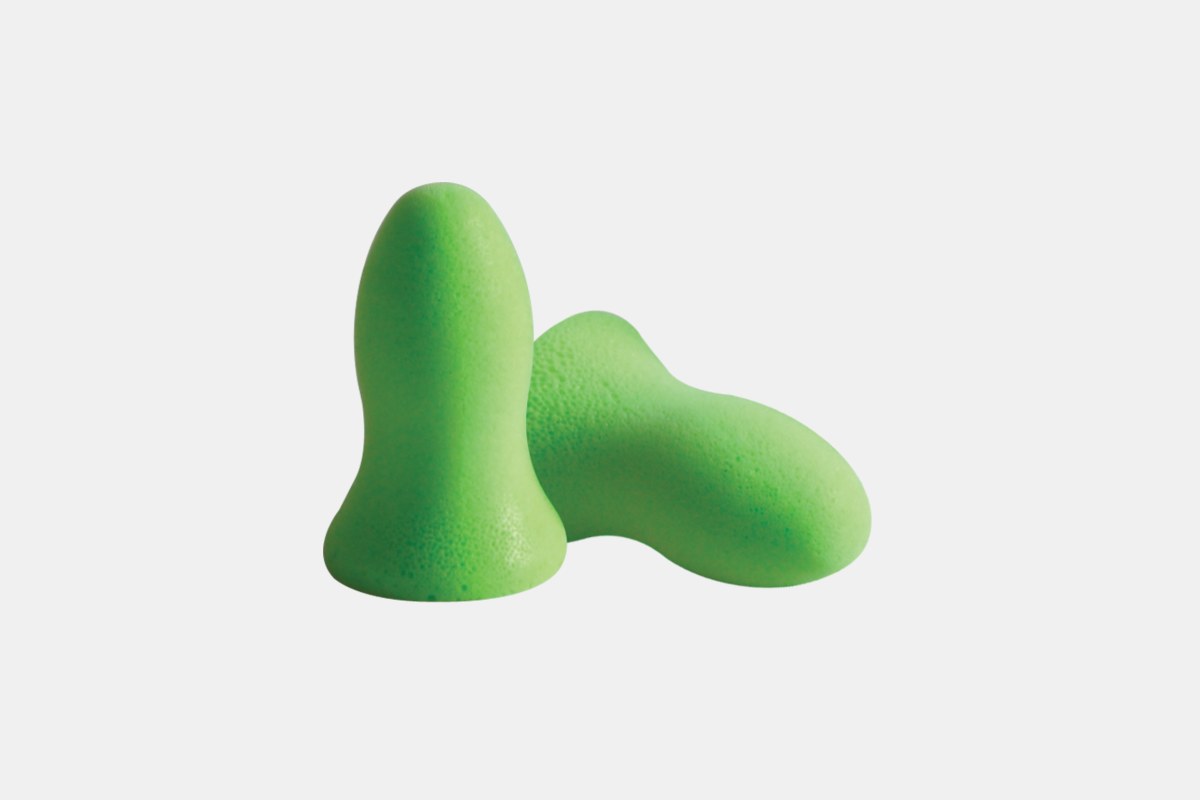
When you just need cheap, effective noise blocking, you can’t beat this $10 pack of foam earplugs. These are my secret weapon. They have a 33dB noise reduction rating, which is seriously impressive. They block out so much sound, it’s almost disorienting in the best way possible.
The contoured foam expands quickly to fit snugly in your ear canal, creating a seal that stands up to even the loudest engine roar. I can pop a pair of these in and sleep through just about anything.
The Downside: They’re designed for single use, so it’s less eco-friendly than a reusable pair.
Packing for a long flight isn’t just about throwing things in a bag. It’s a strategy. When I’m deciding what makes the cut, I focus on three things: portability, function, and comfort. If it’s too bulky to fit in my carry-on, it’s out. If it doesn’t solve a real problem (like neck pain or noise), it’s out.
And most importantly, it has to actually make the experience better. Does this blanket feel cozier? Do these headphones make me feel like I’m in my own little world? Your goal is to create a small bubble of comfort in an otherwise uncomfortable environment.
Trust me, investing in a few key pieces will completely change your travel days. You’ll arrive feeling more refreshed, less stressed, and ready to actually enjoy your destination. Happy flying!
Best Things to Pack for a Cruise
Worried about lost luggage on your next trip? Our guide to the best luggage trackers for 2026 helps you choose the perfect device to monitor your bags and travel with peace of mind.
44 Best Long Flight Essentials
32 Best Road Trip Essentials