How to Tie a Scarf
How to Tie a Scarf

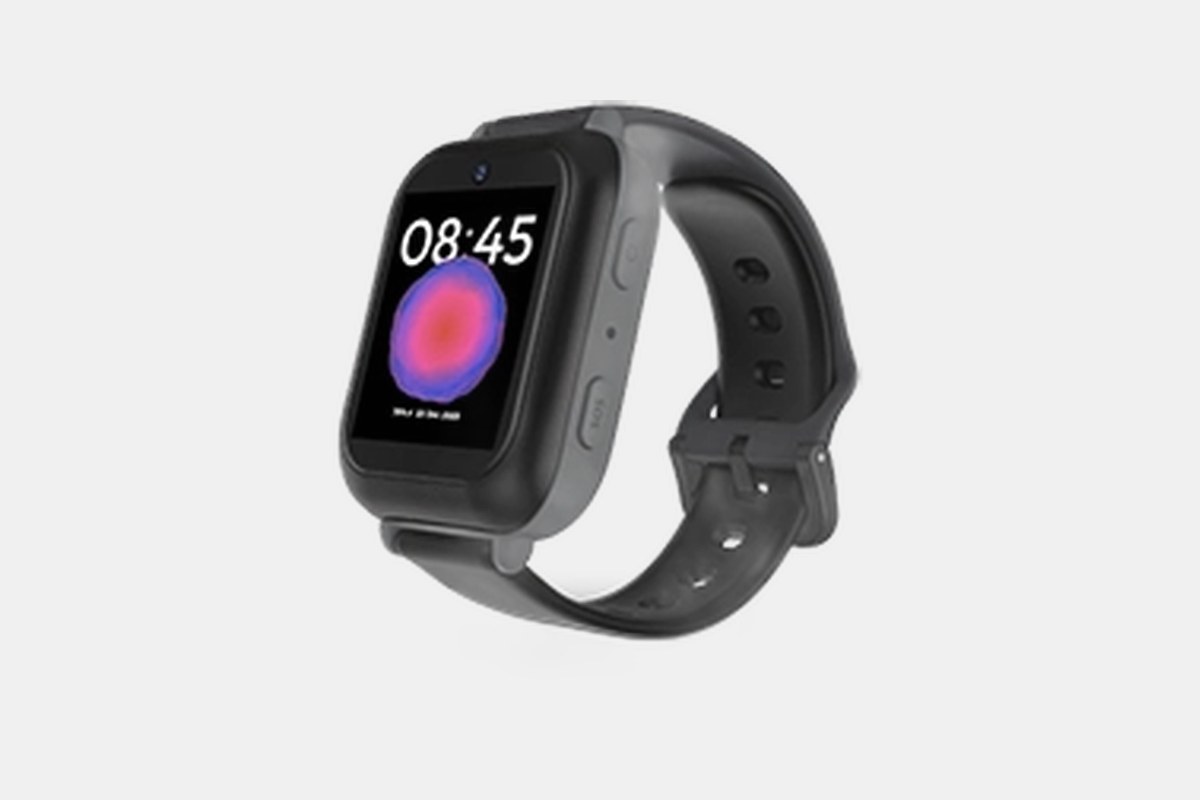
A kids’ smartwatch used to be a toy. Now, it’s a communication and safety tool that gives my kid a little freedom and me a lot of peace of mind. But not all of these watches are created equal. Some are basically phones strapped to a wrist, while others are glorified fitness trackers with GPS.
I’ve spent the last month testing the top models for 2026. I strapped them to my kid’s wrist, set up safe zones, made calls, and drained their batteries. We checked step counts, sent garbled voice messages, and figured out which ones could survive a trip to the playground.
This isn’t just about specs. It’s about how these gadgets actually work in a messy, real-world family routine. Here’s the breakdown of which watches are worth your money.
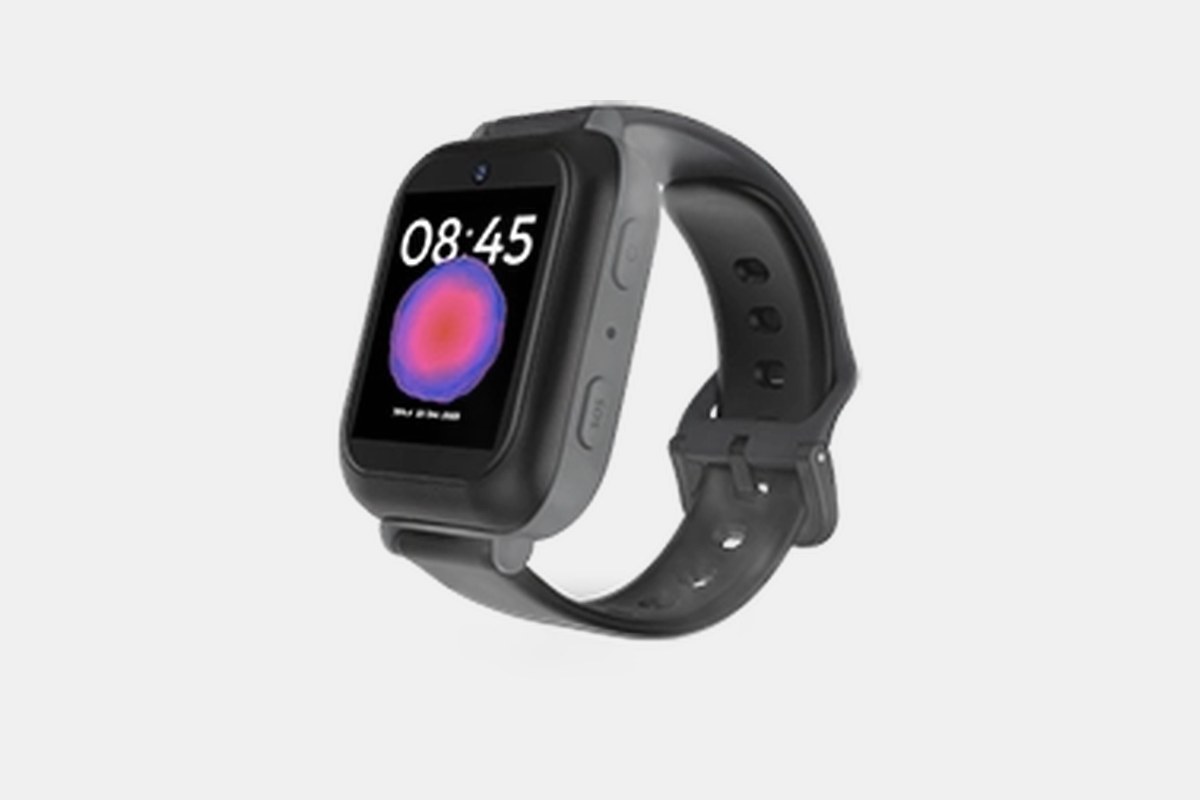
The Bark Watch costs $168 upfront, which breaks down to $7 a month for 24 months, plus a required $15 per month for service. It’s one of the pricier options on the service side.
But you get what you pay for. Bark’s main job is parental monitoring, and its location tracking is absolutely best-in-class. I got instant alerts when my son left the “school” safe zone I created, and the location history reports were incredibly detailed. The audio quality on calls is clear, and I consistently got a solid two days of battery life out of it before needing a charge.
The Downside: That monthly service fee is higher than most competitors. If you don’t need Bark’s premium safety ecosystem, it might be overkill.
You can get the Verizon Gizmo Watch 3 for about $150, plus a very reasonable $10 per month service fee added to your Verizon bill.
If your family is already on Verizon, this is an easy choice. The audio on calls is crisp, video calling works without much lag, and the location tracking is plenty accurate for daily check-ins. The 1.6-inch screen is tough and scratch-resistant, and we got anywhere from 24 to 48 hours of battery depending on usage. It nails all the basics for a fair price.
The Downside: It only works on the Verizon network. If you ever switch carriers, the watch becomes a paperweight.
The COSMO JrTrack 5 is priced at $150, with a $15 per month service plan.
COSMO packs in features others leave out, like a camera for snapping photos and a small, curated list of parent-approved apps. Its HaloGPS system was impressively accurate in my tests, pinpointing my kid’s location within about five feet. The SOS button sends frequent location updates, which is a fantastic safety feature. It even has talk-to-text, which works surprisingly well.
The Downside: With all those features running, the battery life is noticeably shorter than others on this list. Expect to charge it every single night.
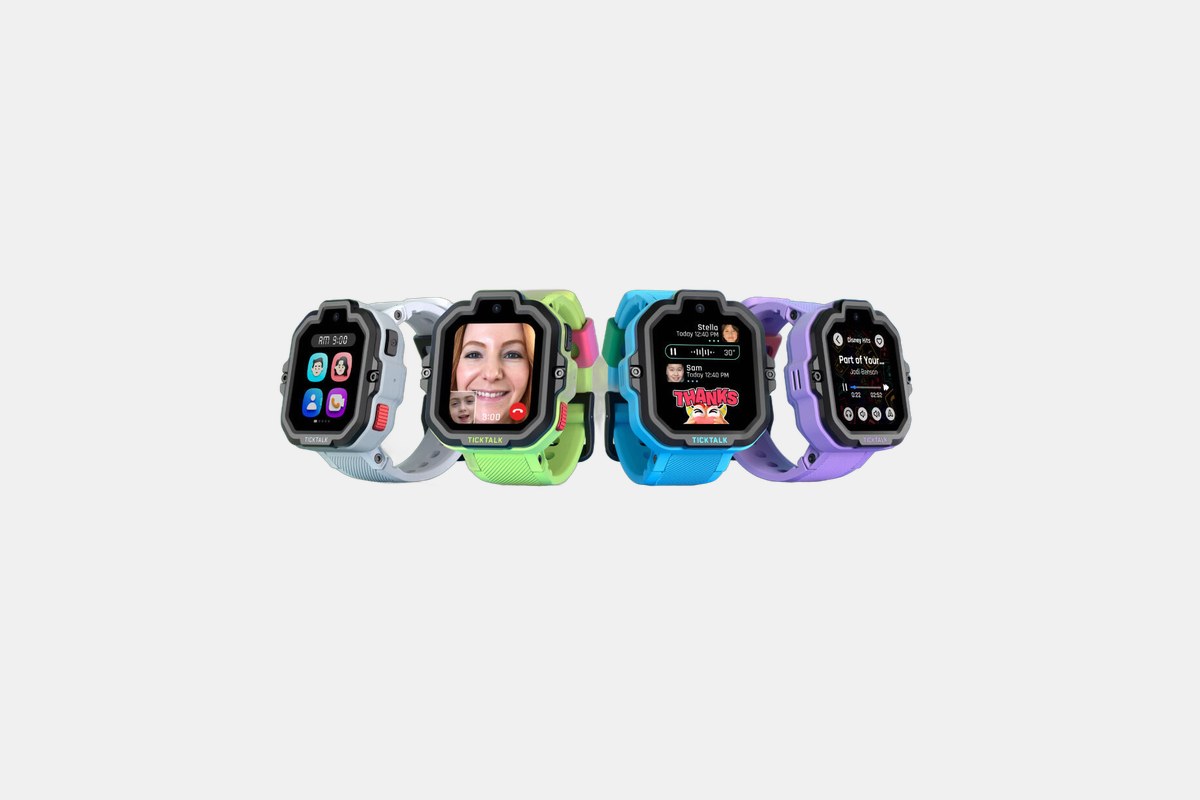
The TickTalk 5 costs around $160 and works with an affordable $10 per month plan on most carriers.
This thing is a communication powerhouse. It had the best battery life of any watch I tested, lasting an incredible 98 hours on a single charge. The HD video calling on its 5MP camera is sharper than the competition, and the messaging app is loaded with emojis and GIFs kids love. Its AI SmartPin GPS also proved to be very reliable for location tracking.
The Downside: For some reason, the TickTalk 5 doesn’t have geofencing. You can see where your kid is, but you can’t set up automatic alerts for when they leave a designated area like school or home.
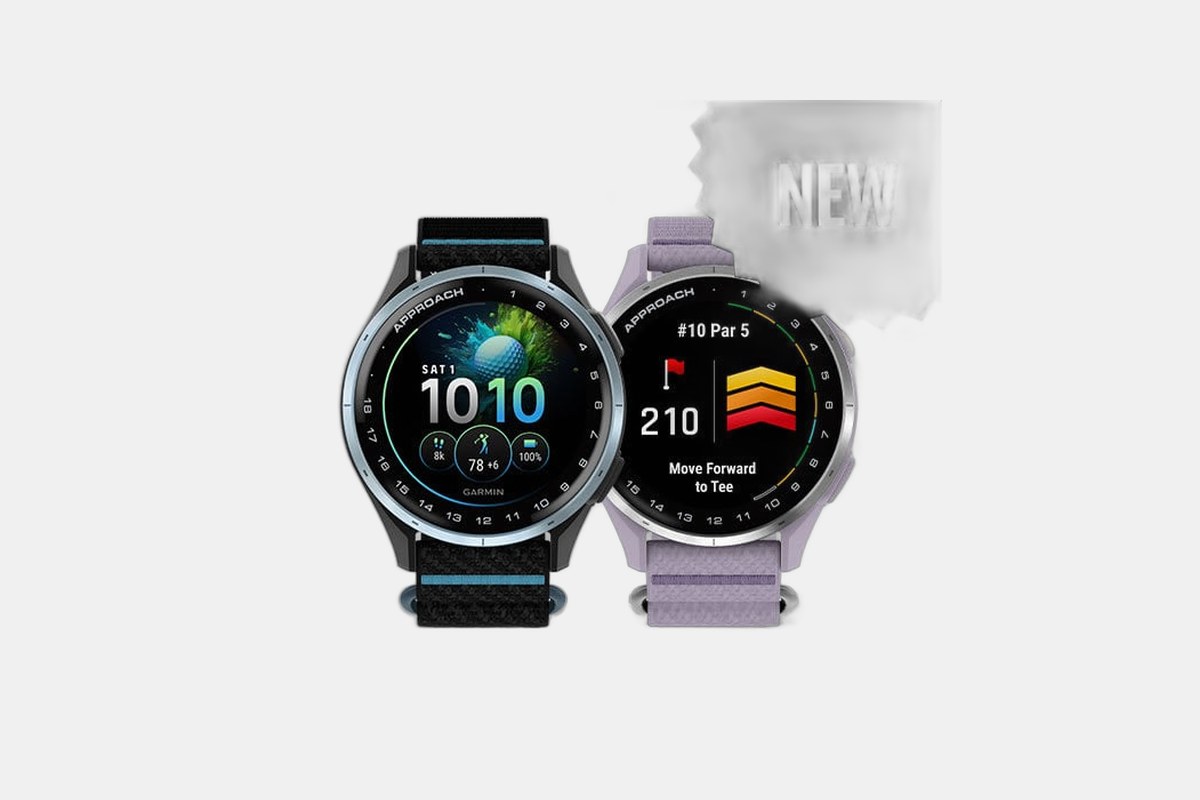
Garmin’s entry costs $150, and you’ll need the $10 per month LTE subscription to enable tracking and messaging.
If you’re looking for the best fitness tracker for kids that also has GPS, this is it. The Bounce leverages Garmin’s expertise with dedicated tracking modes for running, biking, and even swimming. It’s properly swim-friendly, feels durable, and the Garmin Jr. app was simple to set up. Battery life was a respectable two to three days in my testing.
The Downside: Unlike a standard Garmin fitness tracker, the GPS and communication features are locked behind that required monthly subscription.
My testing process is simple: I use these watches the way a family would. I set them up, create contacts, define safe zones, and then send my kid out to play. I check GPS accuracy from my phone, make test calls to check audio quality, and see how long the battery *really* lasts with normal use, not just the number on the box.
The most important thing is to decide your priority. Do you need pinpoint-accurate, real-time GPS with geofencing alerts? Go with the Bark. Is it more of a first “phone” for calls and messages with a massive battery? The TickTalk 5 is your best bet. And for kids who are really active in sports, the Garmin Bounce is the clear winner for tracking their activity.
Ultimately, a kids’ smartwatch is a connected device that comes with a monthly bill. The hardware cost is just the beginning. Make sure the service fee fits your budget and the features match what your family actually needs for communication and peace of mind.
How to Tie a Scarf
30 Best Family Costumes
42 Best Villain Costumes On Amazon
Best Cowboy Carter Tour Outfits