12 Best Clear iPhone Cases
12 Best Clear iPhone Cases

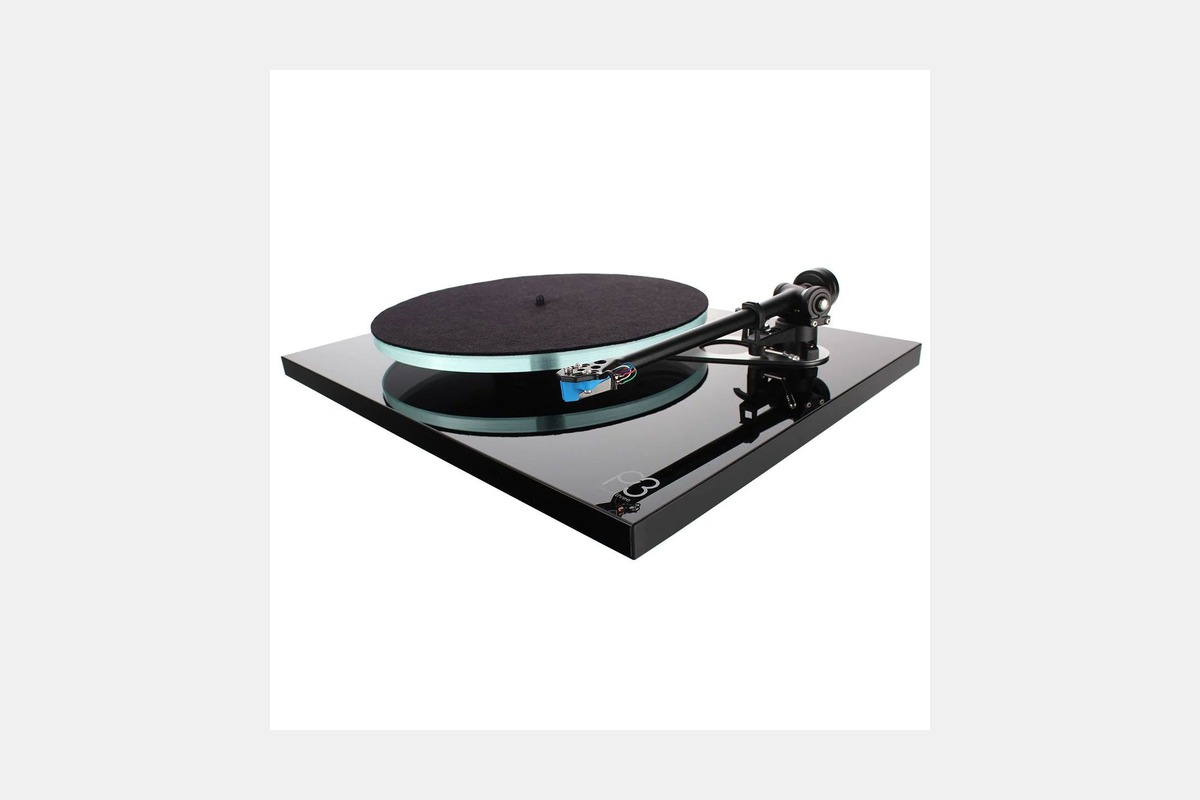
The vinyl comeback isn’t just a trend; it’s a full-blown movement. After spending weeks testing the best record players of 2026 on my own desk, spinning everything from dusty thrift-store finds to 180-gram pressings, I can tell you that the right turntable makes all the difference. It’s not about nostalgia—it’s about a warmer, more intentional way of listening to music.
But picking one isn’t easy. You’ve got turntables with built-in Bluetooth, audiophile models with carbon fiber tonearms, and simple plug-and-play decks for beginners. The goal is to find the one that balances features, sound quality, and price for your specific needs.
I’ve filtered through the noise to find the models that actually deliver. Whether you’re just starting your vinyl collection or looking for a serious audio upgrade, these are the best record players I’d recommend without hesitation.
At $599, the Pro-Ject Debut Carbon Evo is our top pick for a reason. It hits the sweet spot between enthusiast-grade features and a price that doesn’t feel out of reach for someone serious about their sound. This is the turntable I recommend to friends who are ready to move past their first entry-level player.
The performance comes from its smart design choices. The one-piece carbon fiber tonearm is light and rigid, tracking grooves with incredible precision. Paired with a pre-mounted Ortofon 2M Red cartridge and a heavy, damped aluminum platter, it pulls a stunning amount of detail from records. Speed stability is rock-solid thanks to a new motor suspension system.
The Downside: This is a fully manual turntable. You’ll need to cue the tonearm yourself and know a bit about setup, like setting tracking force and anti-skate. It also requires an external phono preamp.
The Fluance RT85 costs $550 and gives the Pro-Ject a serious run for its money. It’s a fantastic mid-range option that bundles high-end components into a very attractive package. For many, this is the last turntable they’ll ever need to buy.
Its standout feature is the pre-installed Ortofon 2M Blue cartridge, an upgrade that on its own costs a couple hundred dollars. This cartridge, combined with a beautiful, dense acrylic platter, delivers fantastic clarity and dynamic range. The S-shaped tonearm provides excellent tracking, and the whole setup feels solid and well-built.
The Downside: Like the Pro-Ject, the RT85 has no built-in phono preamp. You’ll need to budget for an external one to connect it to most amplifiers or powered speakers.
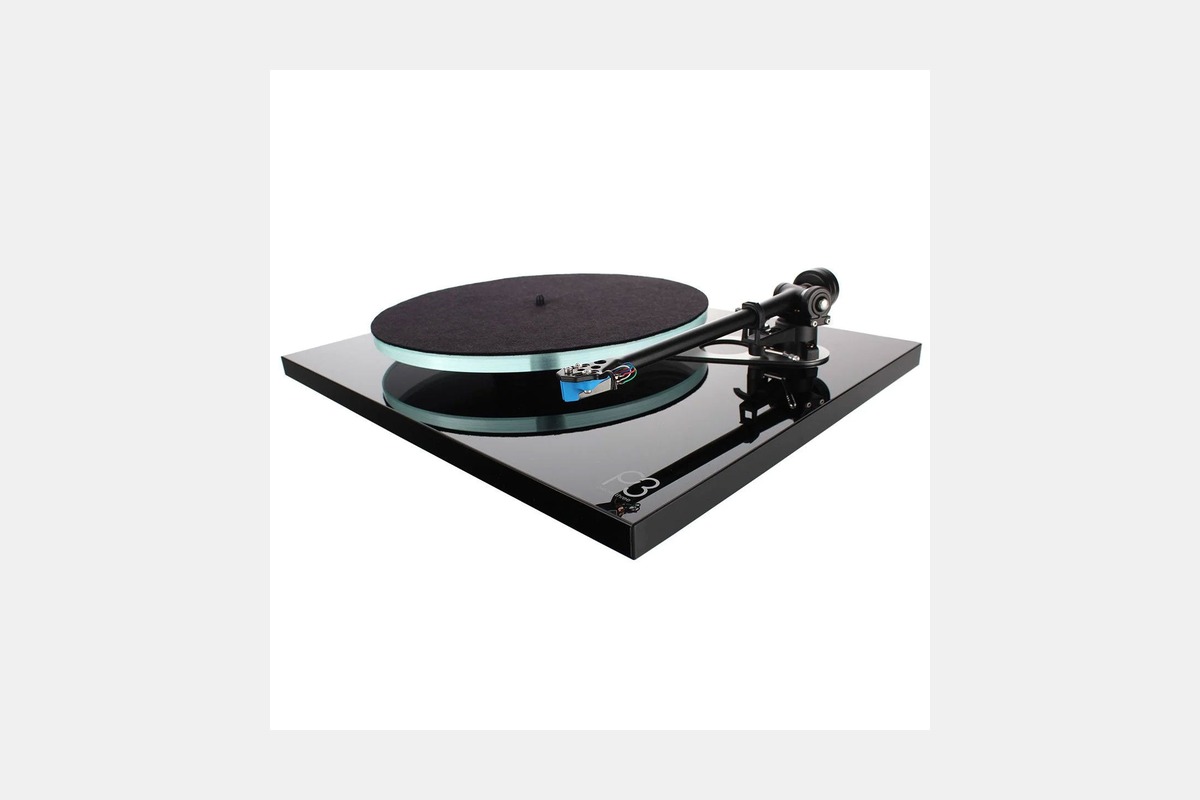
If you’re ready to invest in pure sound quality, the Rega Planar 3 at $1395 is an audio legend. Rega focuses entirely on the components that affect performance, stripping away everything else. The result is a turntable that sounds effortlessly clean, detailed, and musical.
The magic is in the RB330 tonearm, a piece of engineering that provides incredible stability and precision. Combined with a heavy glass platter and a 24V low-noise motor, the Planar 3 delivers music with a sense of rhythm and punch that’s hard to beat. It doesn’t add warmth or color; it just plays what’s in the groove with breathtaking accuracy.
The Downside: It’s expensive, and for this price, you still don’t get a built-in phono stage. This deck is for serious listeners who already have a quality audio system to support it.
For $299, the Audio-Technica AT-LP70XBT is my top recommendation for anyone who wants a simple, no-fuss vinyl experience. It’s fully automatic, meaning you just press a button to start and stop playback. The tonearm takes care of itself.
Its biggest selling point is the high-quality Bluetooth. It uses the aptX Adaptive codec, which provides better-than-average wireless sound to compatible headphones and speakers. It also has a built-in, switchable phono preamp, so you can connect it to virtually any audio system with a standard AUX input. It’s the perfect blend of analog sound and modern convenience.
The Downside: The included conical stylus is basic. It gets the job done but lacks the fine detail retrieval of the elliptical styli found on more expensive turntables.
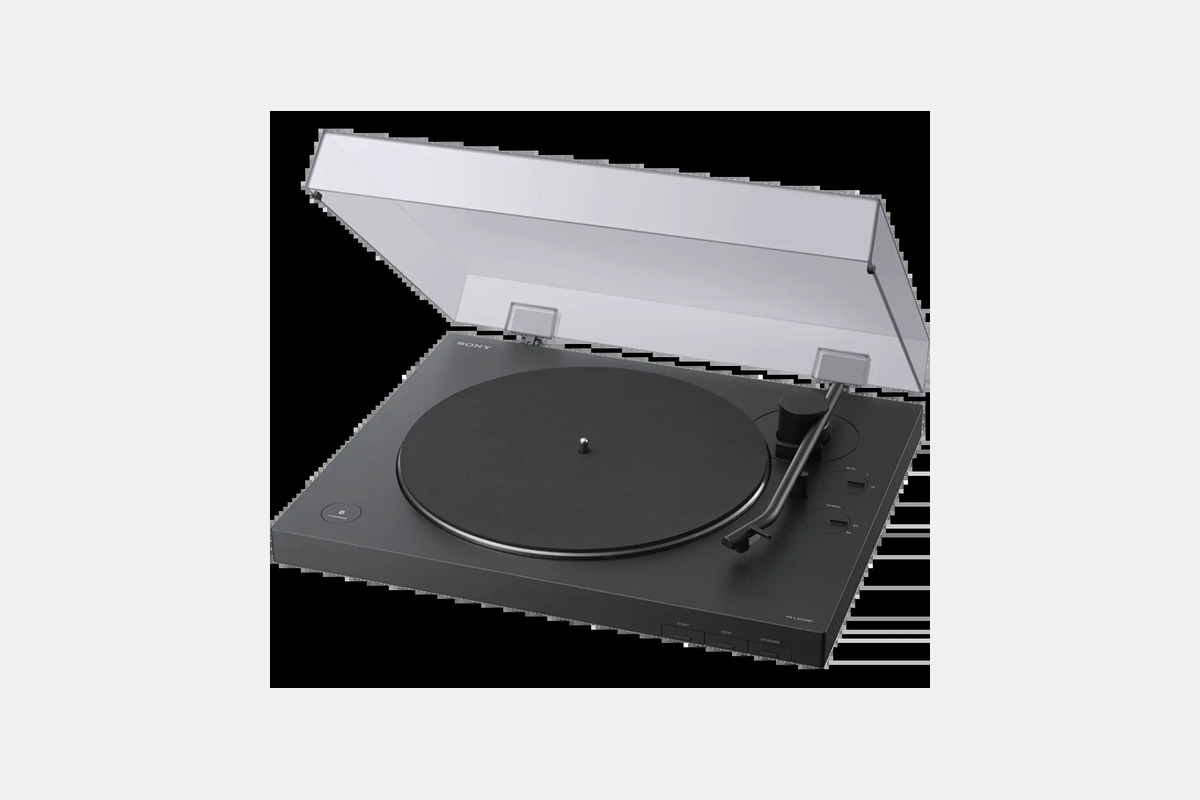
At just $200, the Sony PS-LX310BT is a fantastic entry point into vinyl, especially if wireless listening is your priority. Like the Audio-Technica, it’s a fully automatic, belt-drive turntable that takes all the guesswork out of playing records. Just pair your Bluetooth speaker or headphones, press play, and you’re good to go.
It also features a built-in phono preamp for wired connections and a USB output for digitizing your record collection. The sound is surprisingly rich and full for a turntable at this price, making it an incredible value for casual listeners.
The Downside: The tonearm and cartridge are not user-upgradable. What you get out of the box is what you have for the life of the turntable, limiting its potential for future tweaks.
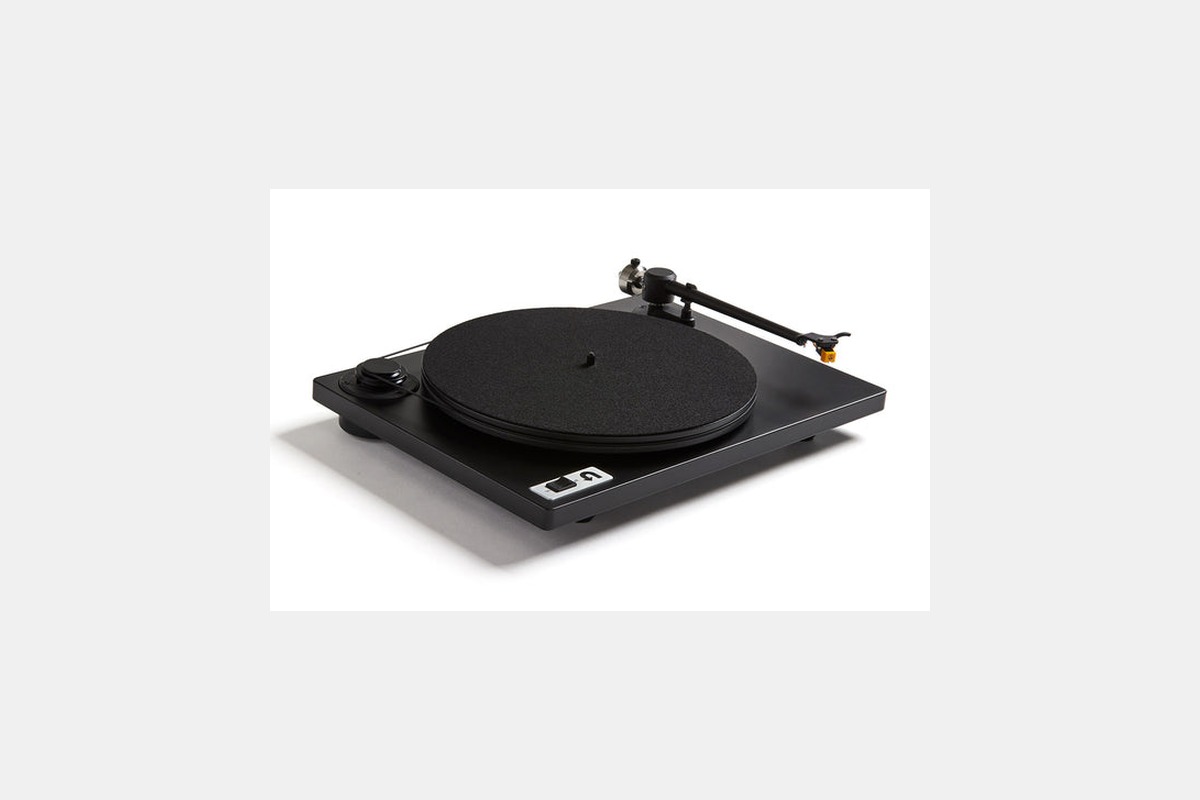
The U-Turn Orbit Basic Gen2, priced at $300, is for the style-conscious beginner who wants great sound without a complicated setup. Assembled in the USA, it has a clean, minimalist design and comes in several colors. It’s incredibly easy to assemble right out of the box.
Despite its simple appearance, it delivers excellent performance. The speed consistency is solid, and the pre-installed Audio-Technica cartridge provides a balanced, enjoyable sound. It’s a manual, belt-drive deck that teaches you the basics of vinyl without overwhelming you.
The Downside: To change from 33 RPM to 45 RPM, you have to manually move the belt on the motor pulley. It also lacks features like auto-stop or Bluetooth.

The Audio-Technica AT-LP120XUSB is a workhorse, and at $449, it offers unmatched versatility. This is the one to get if you’re an aspiring DJ, want to digitize your vinyl collection, or just need a super-durable turntable that can play anything you throw at it, including old 78 RPM records.
Its direct-drive motor provides instant startup speed and stable playback, which is a must for DJing. It features adjustable pitch control, a built-in phono preamp, and a USB output for connecting directly to your computer. The build quality is hefty and robust, inspiring confidence that it will last for years.
The Downside: All that functionality and the direct-drive motor make it quite heavy at over 23 pounds, so it’s not exactly portable.
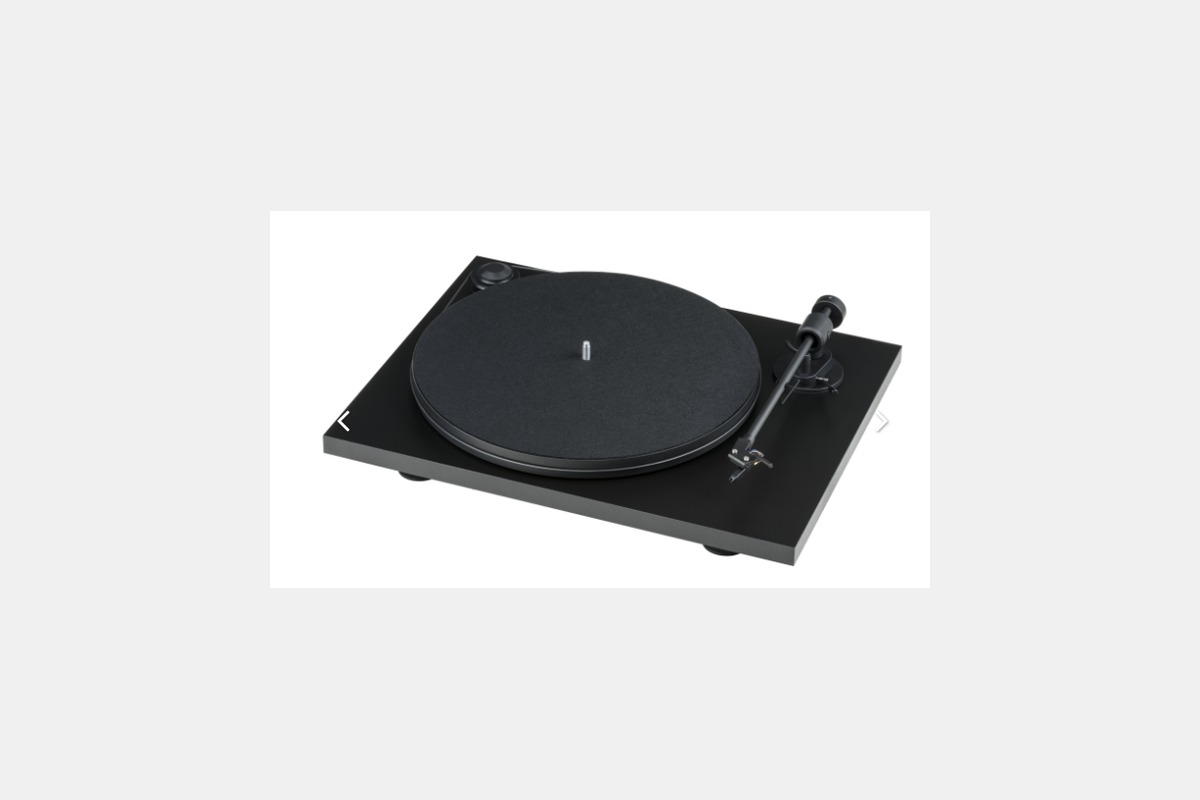
For $200, the Pro-Ject Primary E is for the beginner who cares about one thing above all else: sound quality. It strips away every feature like Bluetooth, auto-stop, and USB outputs to pour the entire budget into the core components.
The result is a simple, manual, belt-drive turntable that sounds far better than its price suggests. The motor is quiet, the tonearm tracks well, and the pre-installed Ortofon cartridge delivers a surprisingly spacious and detailed soundstage. It easily outperforms other flashy, feature-packed turntables in the same price bracket on pure audio performance.
The Downside: Changing speeds from 33 to 45 RPM requires manually moving the belt, which can be a bit clumsy. It also requires an external phono preamp.
When I’m testing turntables, a few key things stand out. First is the drive type. Belt-drive tables, like the Pro-Ject and Fluance models, tend to have less motor noise transferred to the platter, which audiophiles prefer. Direct-drive tables, like the AT-LP120XUSB, offer torque and speed stability, which is great for DJs.
Next, consider the phono preamp. Your turntable’s cartridge produces a very quiet signal that needs to be boosted and equalized before your amplifier can play it. Many beginner-friendly turntables have this built-in, but higher-end models often leave it out, assuming you’ll want to use a better-quality external one.
Finally, don’t forget that your turntable is just one part of your system. The cartridge, stylus, amplifier, and speakers all play a huge role in the final sound. A great turntable can’t save bad speakers, so think about your entire audio chain when making a choice.
12 Best Clear iPhone Cases
Top 8 Neckband Earbuds
7 Best Crossbody Phone Cases
Best Toddler Cameras