Top 9 Ski & Snowboard Racks
Top 9 Ski & Snowboard Racks

A good pair of gardening gloves isn’t a luxury. It’s the difference between sore, scraped-up hands and a comfortable afternoon spent in the dirt. After years of testing everything from cheap disposables to heavy leather gauntlets, I know that the “best” glove really depends on the job you’re doing.
Are you carefully weeding between delicate seedlings, or are you yanking out thorny blackberry canes? The glove you need for one is terrible for the other. A great all-purpose glove needs dexterity, but a rose glove needs armor.
For our 2026 update, I pulled weeds, pruned roses, spread mulch, and dug holes with dozens of pairs. These are the nine that truly stood out for their performance, comfort, and durability in real-world garden tasks.
These are the workhorses. They’re what I grab for 80% of my garden chores, from planting starts to everyday weeding and harvesting. They balance protection with the ability to actually feel what you’re doing.
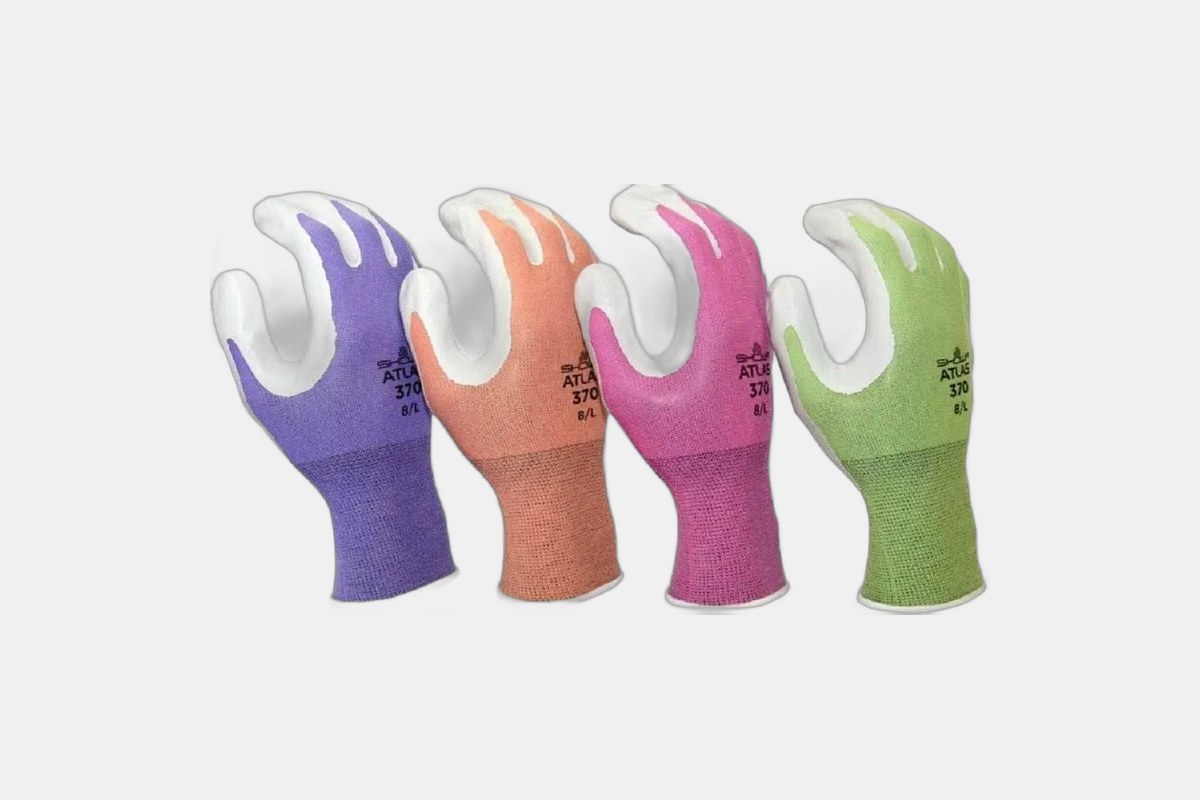
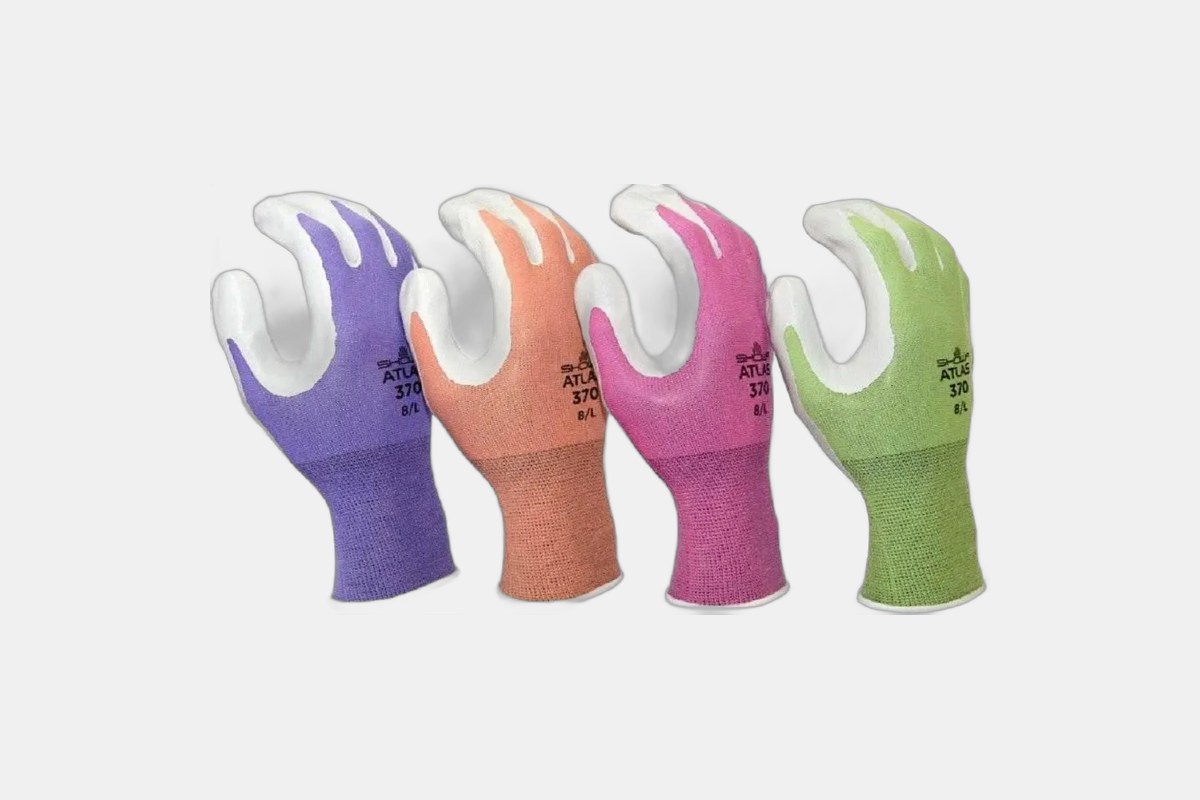
For around $6, these gloves are an absolute steal. The Showa Atlas 370 is my go-to for almost everything. They feel like a second skin, which is exactly what you want for tasks that require a delicate touch, like thinning carrots or handling small seeds.
The magic is the thin nitrile coating on the palm and fingers. It gives you an incredible grip on tools and slippery weeds without feeling bulky. The back is a seamless, breathable nylon knit that keeps your hands from getting too sweaty during a long day of work. And you can just toss them in the wash.
The Downside: That breathable back is also the weak point. It offers zero protection from thorns, stinging nettles, or water. If you’re working with anything prickly, grab a different pair.
These Pine Tree Tools gloves cost about $17. If your hands get hot and sweaty in other gloves, these are the ones you want to try. The bamboo fabric is incredibly soft and breathable, wicking moisture away and keeping you comfortable.
They fit snugly, and the elastic cuff does a great job of keeping dirt from sneaking in. The textured latex coating on the palm gives you a solid grip for weeding and transplanting, all while feeling light and flexible. I barely notice I’m wearing them.
The Downside: They’re not built for heavy-duty demolition. The thin bamboo and latex will wear out quickly if you’re clearing brush or handling rough lumber. Save these for your finer garden tasks.
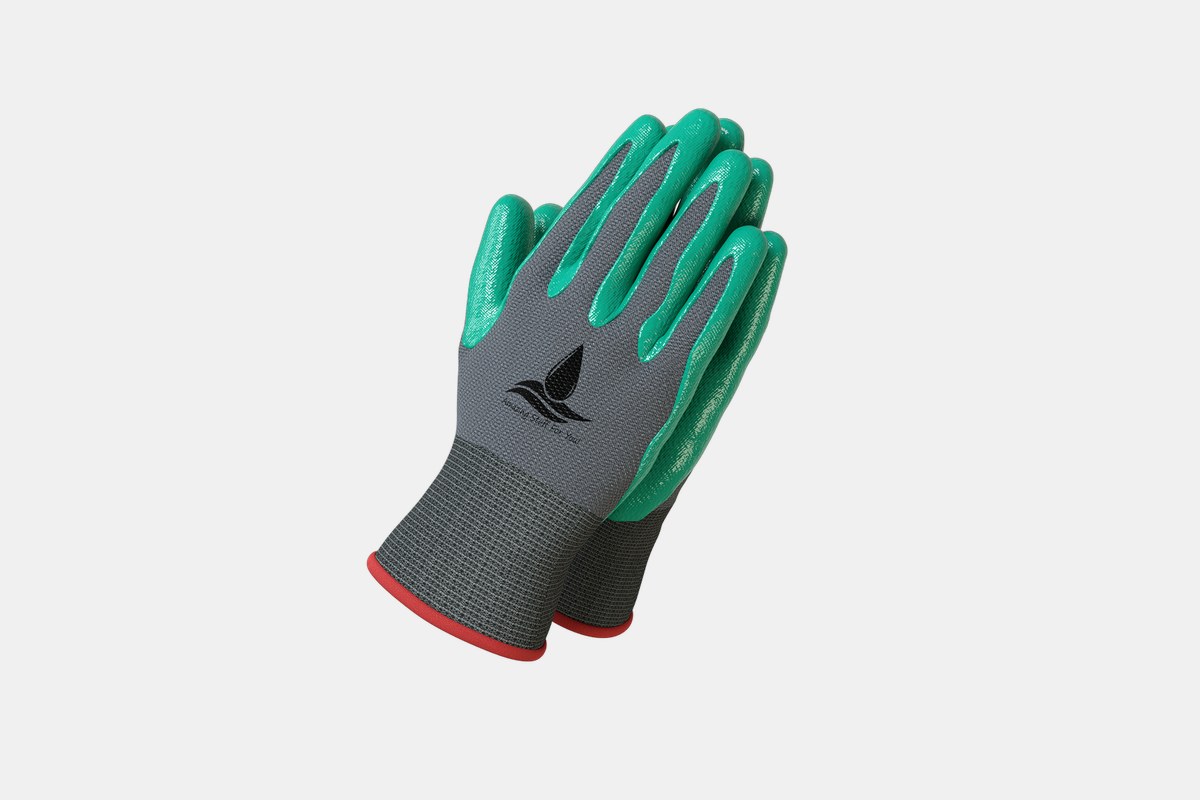
At $13, these gloves hit a sweet spot between price and performance. They have a comfortable, sock-like fit that hugs your hand and wrist, which is great for keeping soil out when you’re digging around.
The nitrile coating on the palm is tough enough for general yard work but still thin enough that you don’t lose all your dexterity. I can easily pick up small stems and work with seedlings while wearing these. They’re a fantastic, versatile choice for the average home gardener.
The Downside: Nitrile isn’t the most breathable material. On a really hot summer day, my hands definitely started to feel a bit warm and clammy after an hour or two of hard work.

You can get this multi-pack for around $12, making them a great value. What I liked most was the super grippy palm, which gives you a secure hold on tool handles, even when they get a little wet. The longer cuff is also a nice touch for keeping your wrists clean.
The knit back is flexible and moves with your hand, so they don’t feel restrictive. For the price, they offer a great combination of grip, comfort, and basic protection for most daily gardening jobs.
The Downside: Don’t expect these to last forever if you’re doing really rough work. The fabric back won’t stop a determined thorn, and they’ll wear through faster than leather if you’re constantly handling rocks or firewood.
When you’re tackling roses, clearing brush, or dealing with anything that fights back, you need more than a thin layer of nitrile. These leather gloves offer serious protection for your hands and forearms.
These run about $23, and they are worth every penny if you have roses. The best part is the long leather gauntlet that extends up your forearm. I can reach deep into my climbing roses to make cuts without getting completely shredded.
Despite the serious protection, the goatskin on the hands is surprisingly supple. I can still operate my pruners easily and get a good feel for the branches I’m cutting. The construction is tough and holds up to season after season of abuse.
The Downside: These are specialized. The thick leather and long cuff make them hot, and you can forget about doing delicate work like planting seeds. They’re for battle, not for potting.
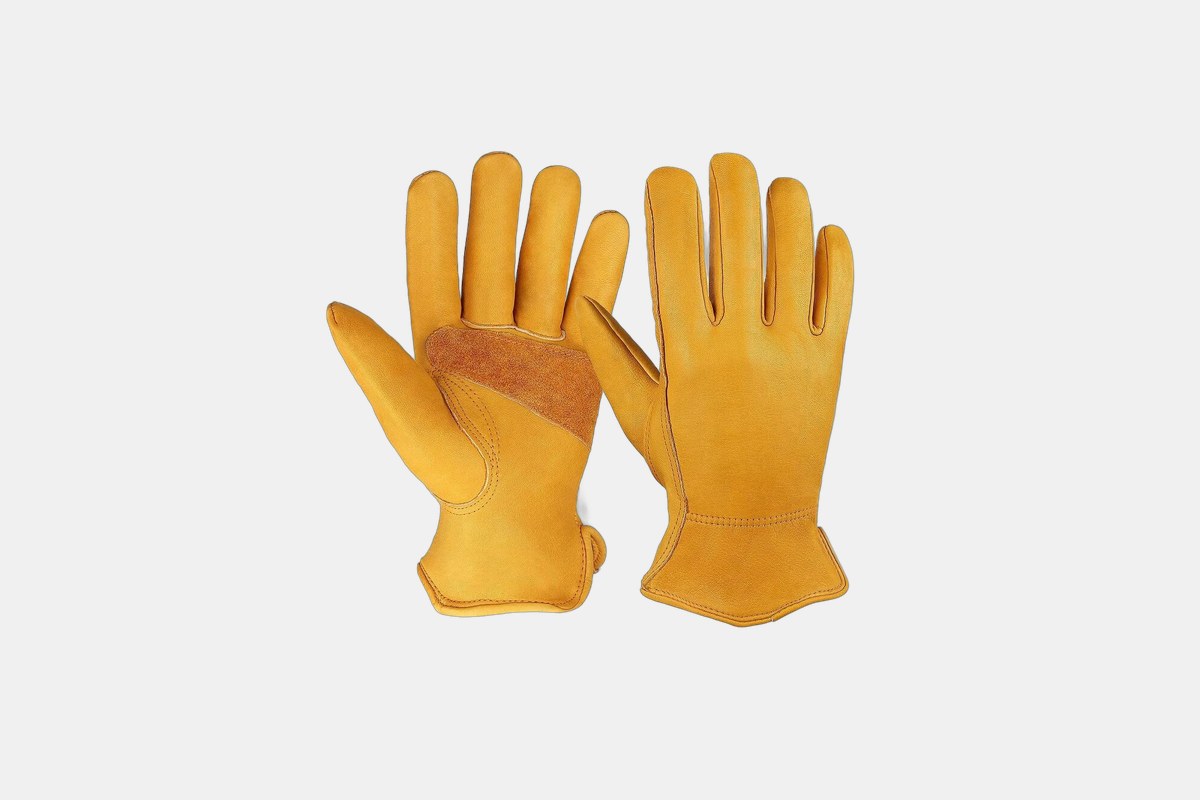
At just $14, these OZERO gloves are an incredible value for a full leather glove. I use these for the really tough jobs: clearing thorny vines, hauling firewood, and even dealing with cactus. The leather is thick enough to stop most punctures short of a direct hit from a monster thorn.
They also have a slightly water-repellent finish, which is helpful when you’re grabbing damp branches or soil. In the cooler months, they provide a good bit of insulation that you just don’t get from knit gloves.
The Downside: They’re not nimble. Fine motor tasks are out. Also, be warned that the leather dye can bleed onto your hands if they get thoroughly soaked. It washes off, but it’s a bit of a surprise.
For about $20, these are a fantastic crossover glove. They feel soft and broken-in right out of the package, which is a huge plus for leather gloves. They offer solid protection against thorns and splinters, making them my choice when I’m bouncing between the garden and the woodshed.
The fit is comfortable, and they’re tough enough to handle pruning, clearing brush, or stacking wood without complaint. If you want one durable pair that can do more than just garden work, this is a strong contender.
The Downside: Like other leather gloves, the fingers are a bit bulky for precision work. And yes, some of the color can transfer to your hands when they get wet.
Gardening doesn’t stop when the temperature drops. Early spring and late fall chores require gloves that can keep your fingers from going numb while still letting you get the job done.
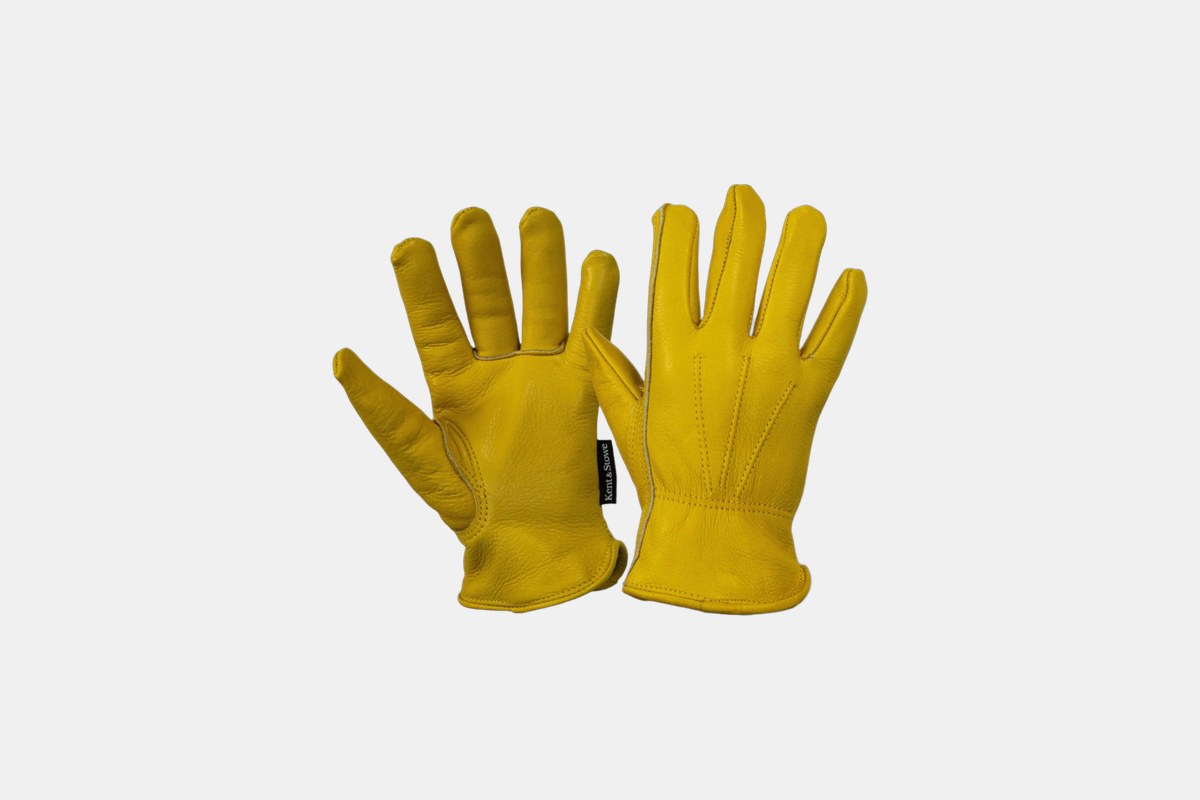
These gloves cost around $16. When I’m doing heavy digging in chilly March soil, these are the ones I reach for. The thick leather is lined with soft polyester that provides a surprising amount of warmth and padding.
They have a snug fit around the wrist that keeps cold air out, and the leather really molds to your hands over time. The extra cushioning is great when you’re leaning on a spade or fork handle for hours. They’re built for hard work in the cold.
The Downside: All that padding and warmth comes at the cost of dexterity. You won’t be tying up delicate sweet peas with these on. They’re for power, not precision.
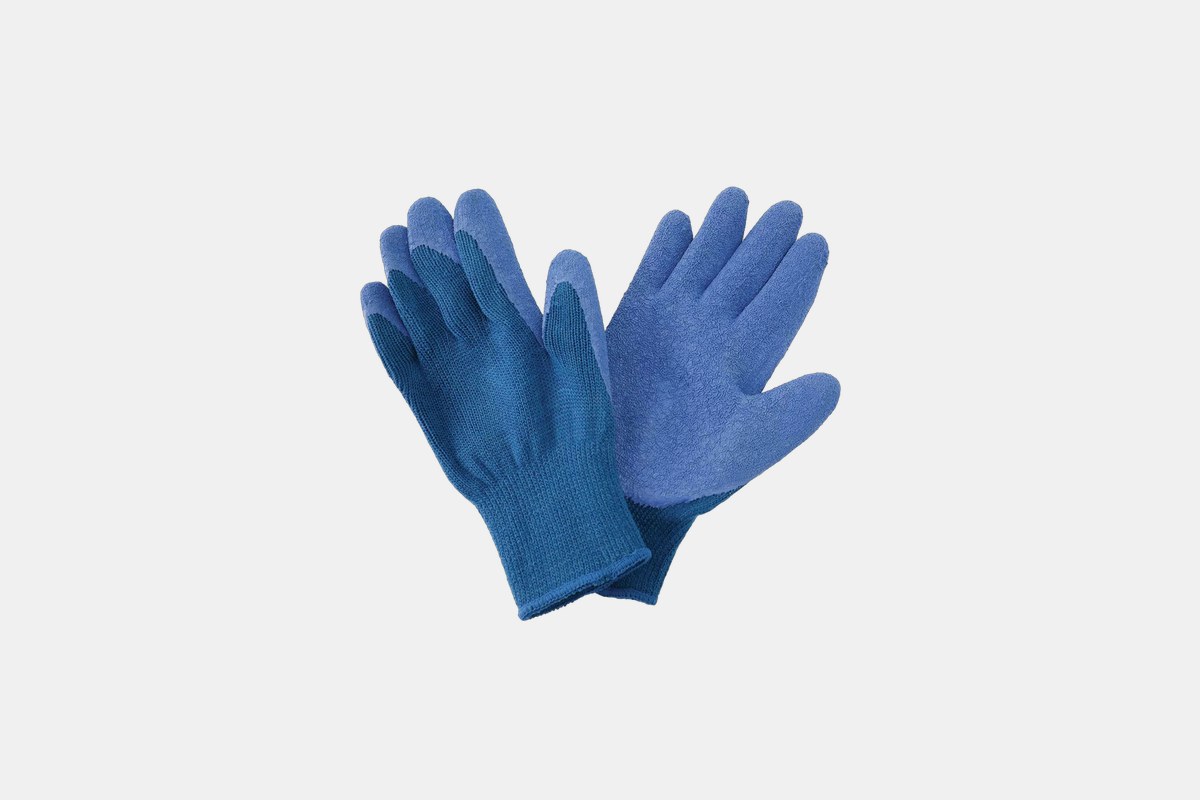
At only $6, these are a fantastic option for cool-weather gardening. They combine the close fit of a nitrile glove with a soft thermal lining that actually keeps your hands warm. I was really impressed with the grip from the latex-coated palm, even on wet tools.
The snug cuff keeps drafts and dirt out, and you still have a decent amount of feel for what you’re doing. They’re perfect for fall clean-up or early spring weeding when you need warmth but can’t wear a bulky leather glove.
The Downside: You can’t throw them in the washing machine. The waterproof coating also doesn’t go very far up the fingers, so if you’re working in really muddy, wet soil, your hands will get damp.
Choosing the right glove comes down to three things: your primary tasks, the material, and the fit. Don’t just buy one pair and expect it to do everything well.
For weeding, planting, and anything requiring dexterity, go for a thin, coated knit glove like the Showa Atlas or Pine Tree Tools. The “second skin” feel is what you need. For clearing brush, pruning roses, or heavy digging, you absolutely need the puncture resistance of leather, like the Handylandy or OZERO gloves.
Finally, make sure they fit. A glove that’s too big will slip and cause blisters, and one that’s too tight will restrict your movement and make your hands tired. It’s worth having two or three different pairs on hand so you can always grab the right tool for the job.
Top 9 Ski & Snowboard Racks
15 Colorado Ski Resorts for an Unforgettable Winter Vacation
10 Best Indoor Herb Gardens
Best Camping Gear