12 Best Clear iPhone Cases
12 Best Clear iPhone Cases

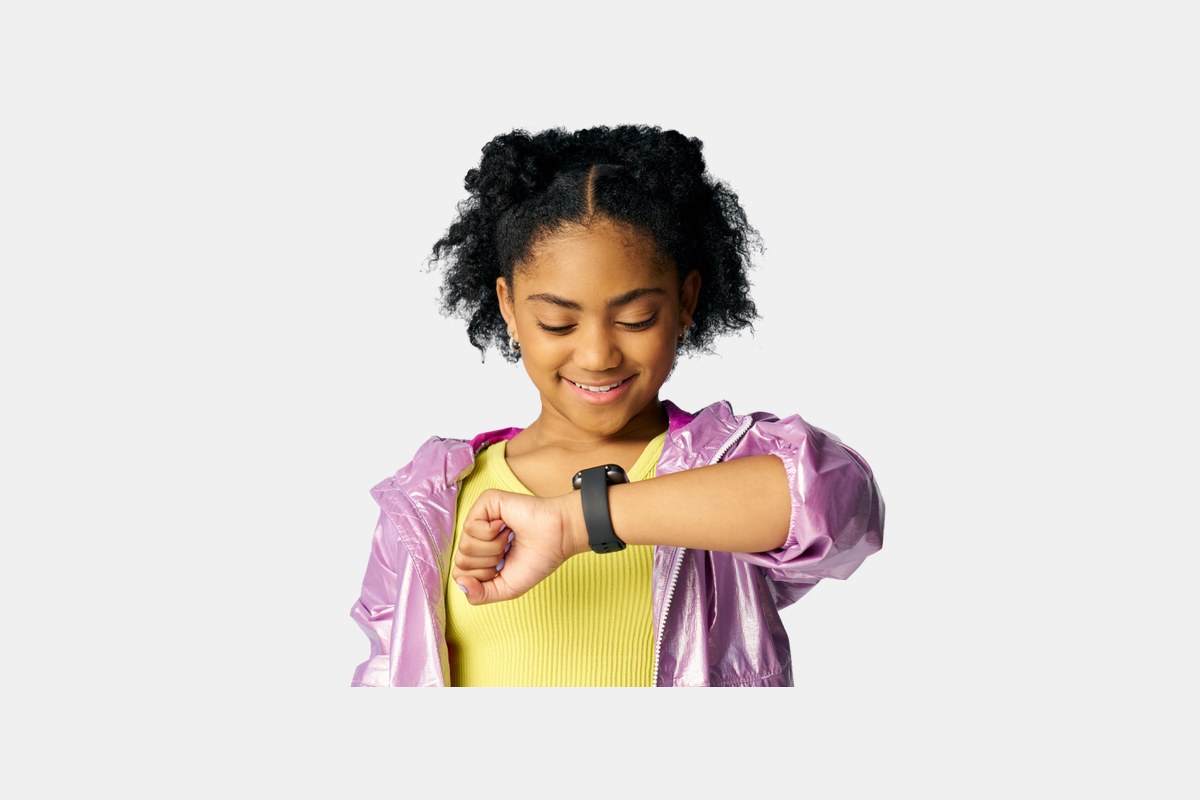
Finding the best smartwatches for kids is about striking a balance. You want to stay connected with them, but you’re not ready to hand over a full-blown smartphone with its endless distractions. I get it. These watches are the perfect middle ground, offering GPS tracking, two-way calling, and peace of mind without the open internet.
I’ve spent the last month testing the top models on the market, strapping them onto my own kids’ wrists and putting them through the wringer. We’ve checked battery life, call clarity, and how accurate that GPS *really* is when they’re hiding at the park. These are the devices that actually deliver on their promises, giving kids a bit of tech independence while keeping parents in the loop.
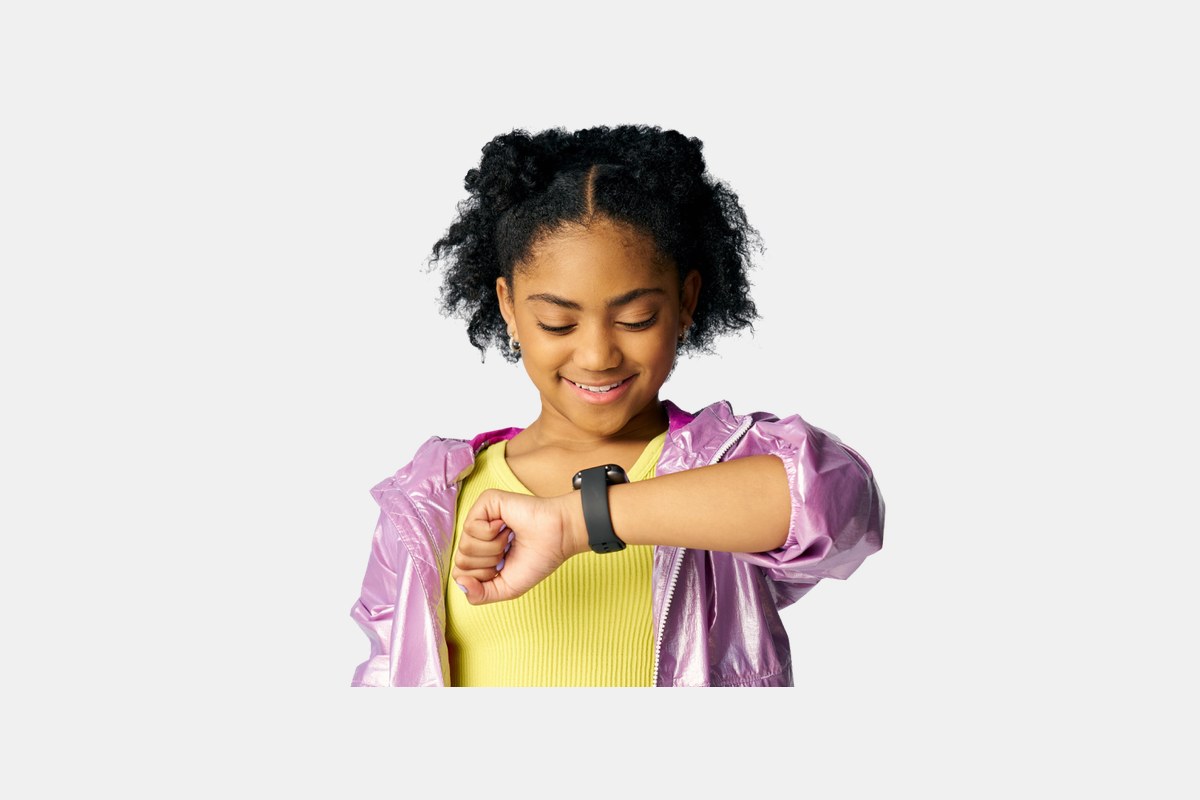
The Bark Watch costs $168 upfront, with a required service plan of $15 per month. If you’re a parent who wants the most granular safety monitoring possible, this is your watch. Bark is already known for its software, and it brings that expertise here.
In my tests, the GPS was incredibly precise, with instant alerts when my kid left a pre-set safe zone. The location history reports are detailed and easy to read. Call and text monitoring is robust, and the audio quality for calls was surprisingly clear, even in a noisy playground environment. It easily got through two full days on a single charge.
The Downside: That peace of mind comes at a cost. The $15 monthly service fee is one of the highest in this category, putting it out of reach for some budgets.
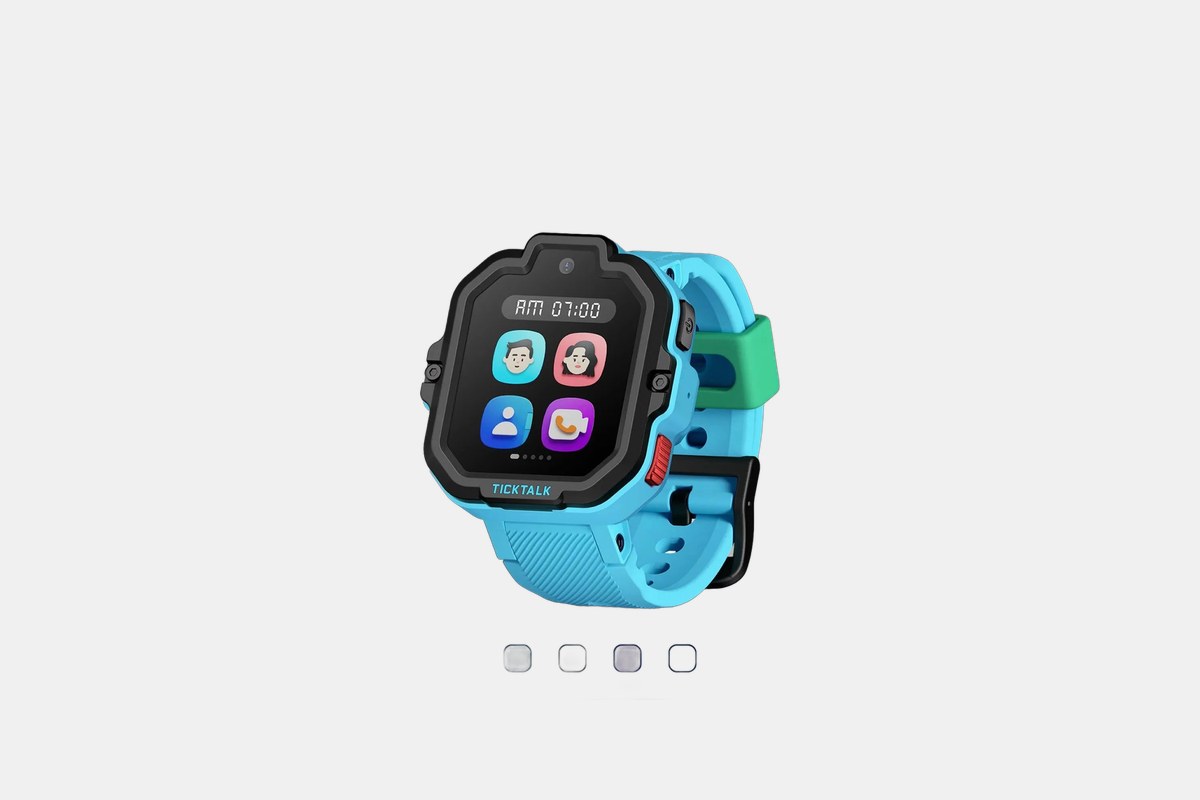
The TickTalk 5 is priced at $160, plus a service plan starting at $10 per month. For families who want video calling, this is the one to get. The 5MP camera delivered crisp, clear HD video calls that made my kids feel like they were right there.
I was impressed by the battery life, which consistently lasted over two full days—sometimes stretching to 60 hours with lighter use. The AI-powered GPS also worked well, using Wi-Fi and cell towers to sharpen its accuracy when a clear satellite signal wasn’t available. It’s a feature-packed device that’s perfect for kids aged 5 to 12.
The Downside: It’s locked to AT&T and T-Mobile’s networks. If you live in an area with poor coverage from those carriers, you’ll have to look elsewhere.
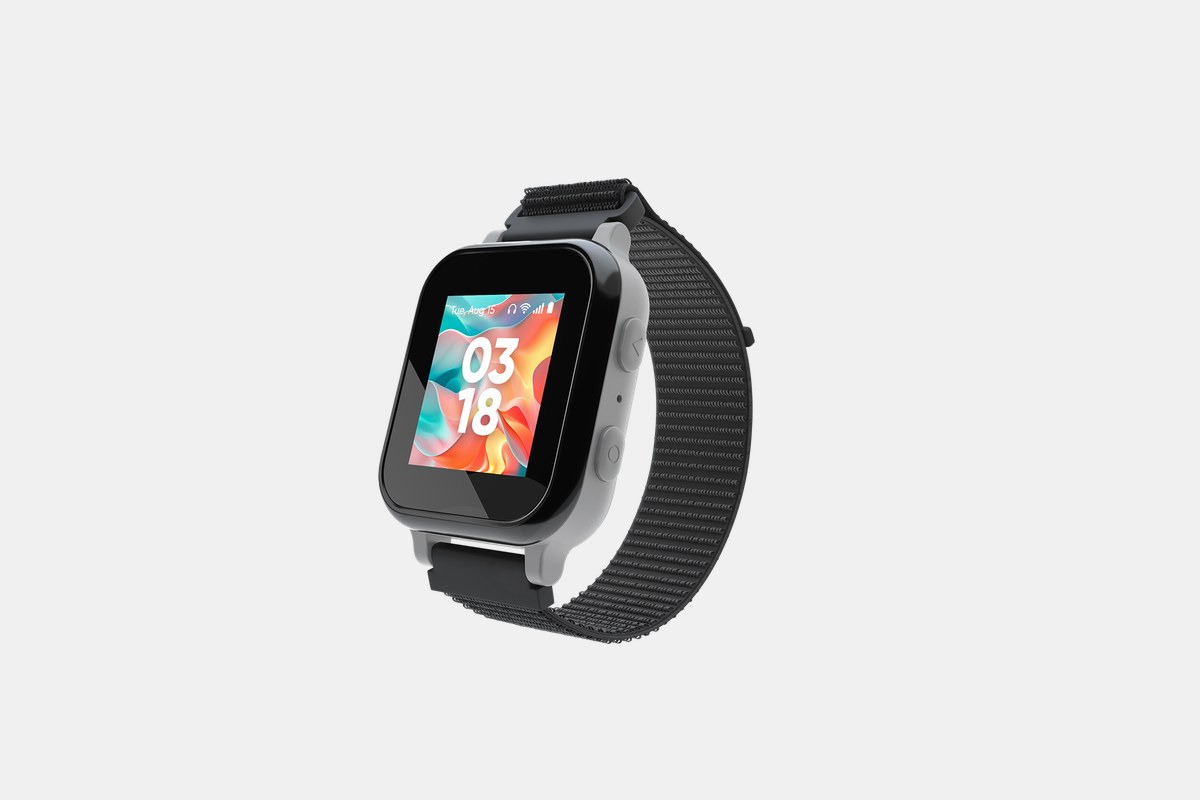
You can get the Gabb Watch 3e for $150, with service plans running between $13 and $18 per month. This is the perfect first smartwatch for younger kids, maybe ages 6 to 9. It nails the basics without any of the distracting fluff.
There’s no internet, no social media, and no camera. Instead, it has excellent speech-to-text messaging for its 100 approved contacts and a cute digital pet that encourages kids to stay active. By design, it can’t call 911, which is a smart move to prevent the false alarms that are common with younger children.
The Downside: The lack of a camera or any video calling capability will be a dealbreaker for some families, especially as kids get a bit older.
The Garmin Bounce costs $150, plus a required $10 per month for the LTE subscription. If your kid is constantly running, biking, or swimming, this is the watch for them. Garmin is a leader in fitness tracking, and the Bounce brings that heritage to a kid-friendly device.
It’s durable, swim-friendly, and tracks a bunch of different activities. The parental controls are also top-notch, with reliable geofencing alerts and location tracking. Battery life was solid, lasting between two and four days depending on GPS usage.
The Downside: For a kid who isn’t particularly active or interested in sports, the fitness features are total overkill. You’d be paying for capabilities you just don’t need.
At $150 upfront and service from $10 to $18 per month, the COSMO JrTrack 5 is a strong contender for budget-conscious families. It punches above its weight with a solid set of features that feel almost smartphone-like.
The parent-approved app ecosystem is a nice touch, and I found the GPS to be reliable for daily check-ins. It supports both picture and freeform texting, which kids love. The multi-network SIM is also a huge plus, as it automatically connects to the strongest available signal.
The Downside: Battery life is just okay. With heavy use of GPS and calling, I struggled to get it to last a full day, meaning it needs a nightly charge without fail.
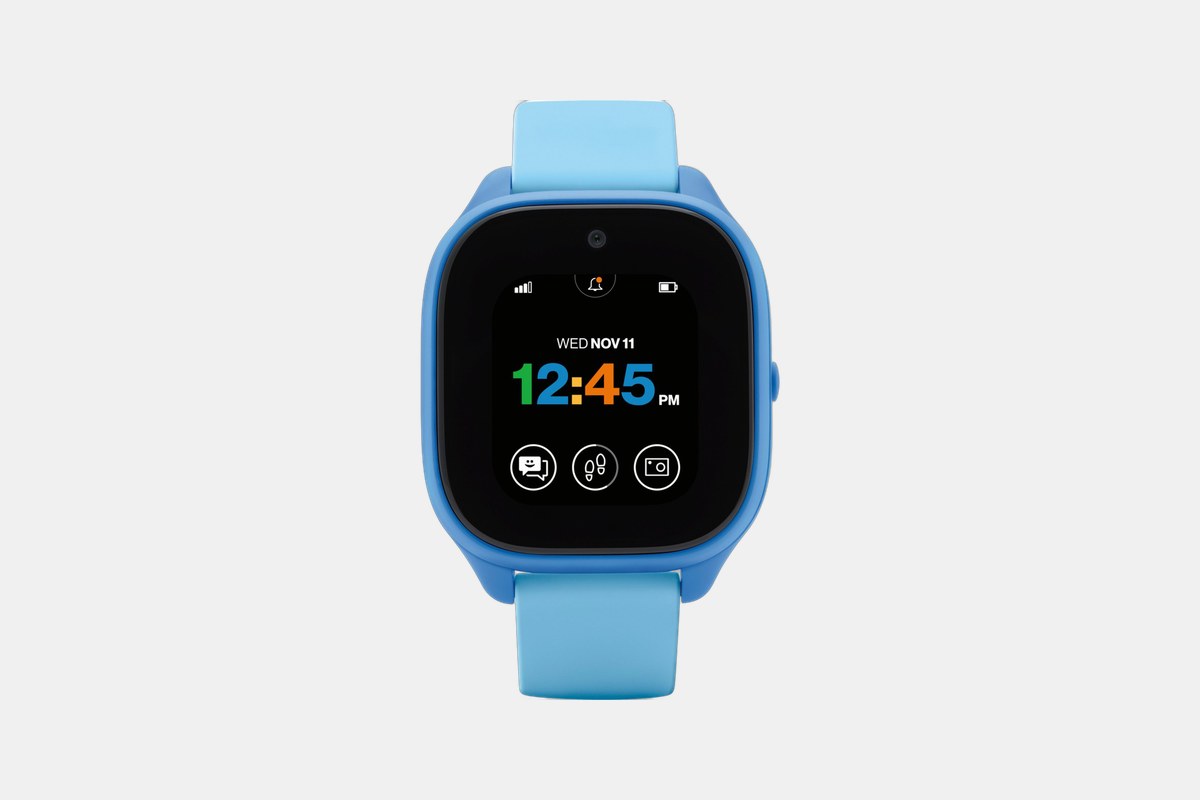
The Gizmo Watch 3 is $150, but you’ll need to add it to a Verizon plan for $10 a month. If you’re already a Verizon customer, this is an easy and affordable choice. It’s built to work seamlessly on their network, and it just does.
During my tests, the audio for both voice and video calls was consistently clear. The 1.6-inch display is bright, and the GPS accuracy held up well against more expensive models. It’s a reliable, no-fuss device that covers all the essential bases for communication and safety.
The Downside: You can only add a maximum of 20 contacts. For kids with large families or a wide circle of friends, this might feel a bit too restrictive.
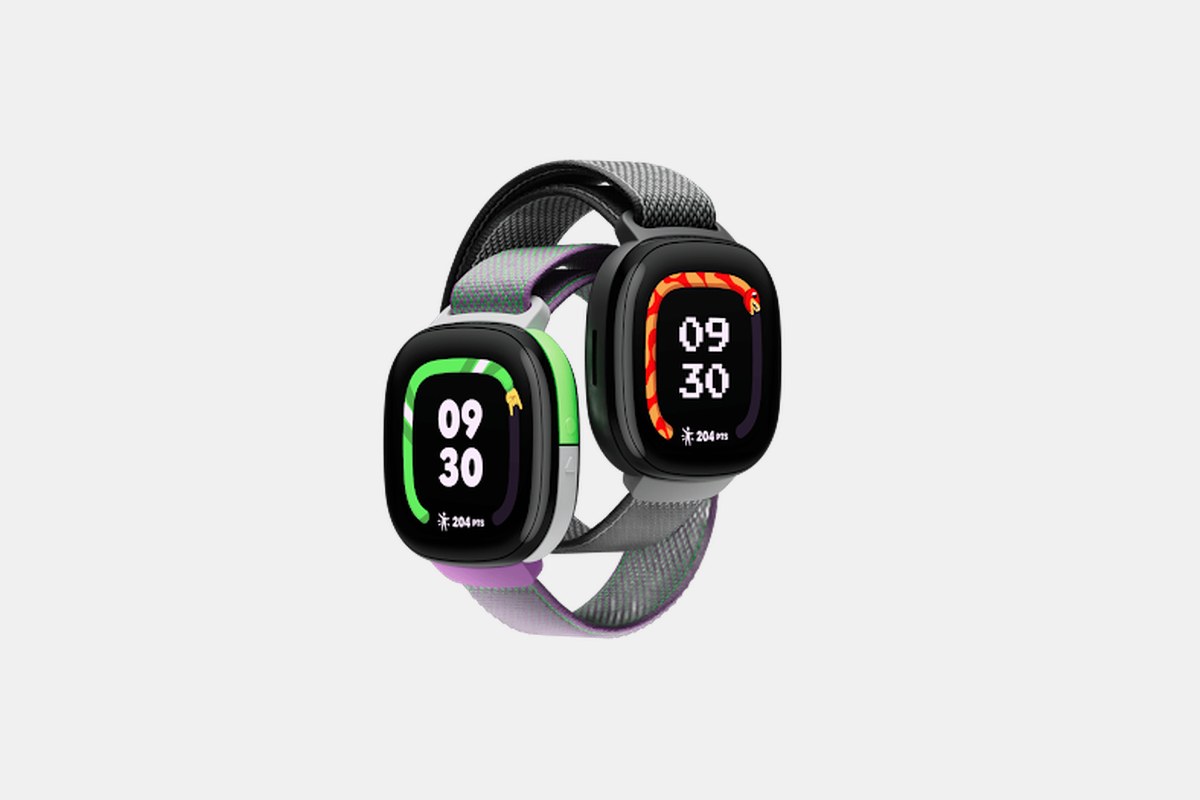
This is the priciest option at $230, plus a $10 monthly subscription. The Fitbit Ace LTE is less about parental oversight and more about teaching independence through gamified fitness. It’s a Google product, and the integration feels polished.
The standout feature is Tap to Pay, which lets you load a prepaid card for your kid to use for snacks or emergencies. The activity tracking is fantastic, turning exercise into a game to unlock new watch faces and features. It’s a fun, engaging device for older kids who are ready for a little more responsibility.
The Downside: It’s missing some key safety features that parents might expect, most notably geofencing alerts. It’s more of a fitness tracker with communication than a dedicated safety watch.
When you’re shopping, focus on three key things: GPS tracking, communication, and durability. The whole point of these watches is peace of mind, so you need a GPS that’s accurate and a parent app that’s easy to use. Check if the watch offers real-time tracking, location history, and safe zones (geofencing).
Next, decide what kind of communication you need. Most offer two-way calling to a pre-approved list of contacts. Some add voice messages, texting, or even video calls. A simple call function might be enough for a 7-year-old, while a 10-year-old might want the ability to send texts to friends.
Finally, these watches are going to take a beating. Look for some level of water resistance—IP67 or IP68 is a good baseline—and a sturdy band. Battery life is also part of this; a watch that dies halfway through the school day isn’t very useful. I look for devices that can reliably last at least one full day, from morning until bedtime, on a single charge.
12 Best Clear iPhone Cases
Top 8 Neckband Earbuds
7 Best Crossbody Phone Cases
Best Toddler Cameras