12 Best Clear iPhone Cases
12 Best Clear iPhone Cases

My desk is a graveyard of abandoned kitchen gadgets. For every tool that earns a permanent spot on my counter, at least five others end up in a donation bin. They looked cool on Amazon, but in practice, they were just single-tasking space hogs.
So this list is different. I’ve spent months testing, cooking, and cleaning everything you see here to find the absolute best kitchen tools for 2026. These are the workhorses, the time-savers, and the genuinely useful gadgets that solve real problems. We’re talking about affordable kitchen tools that punch way above their weight class and a few premium picks that are actually worth the investment.
Air fryers aren’t just for frozen fries anymore. The best models have become true multi-taskers, capable of roasting, baking, and reheating better than a microwave. I’ve tested dozens to find the ones that deliver the crispiest results without taking over your entire kitchen.
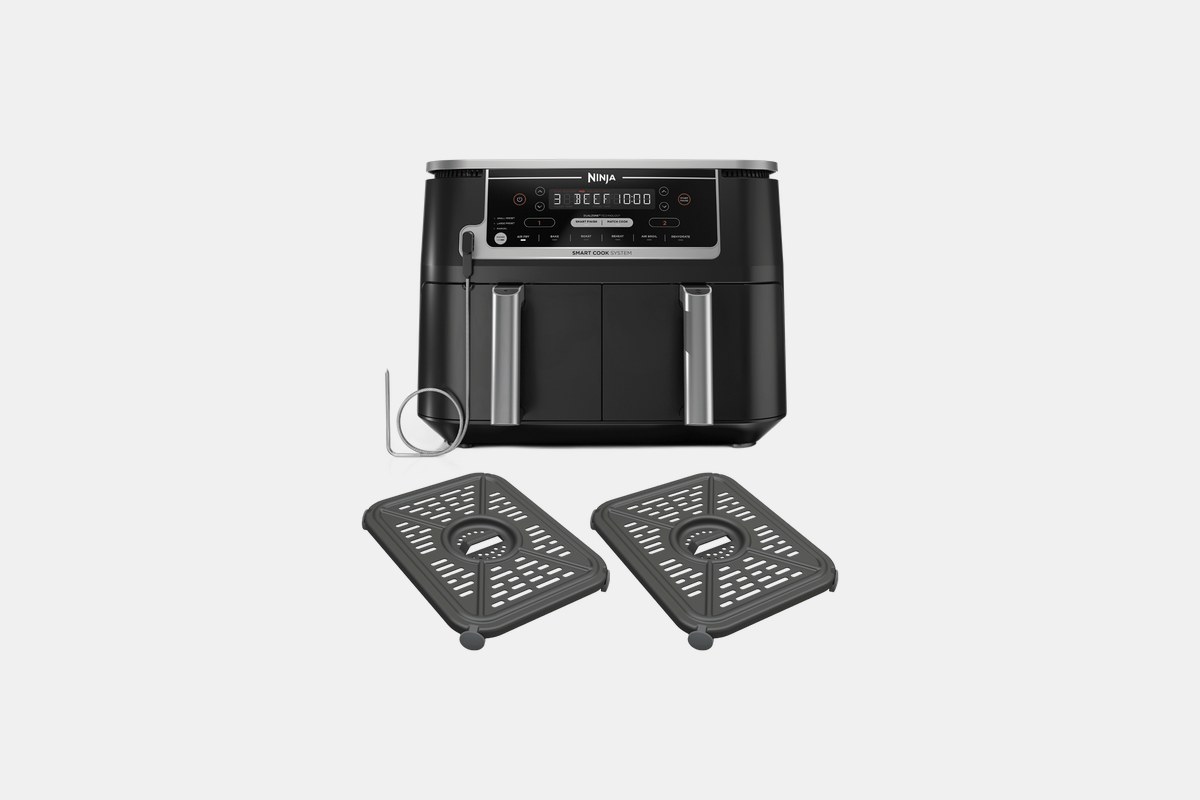
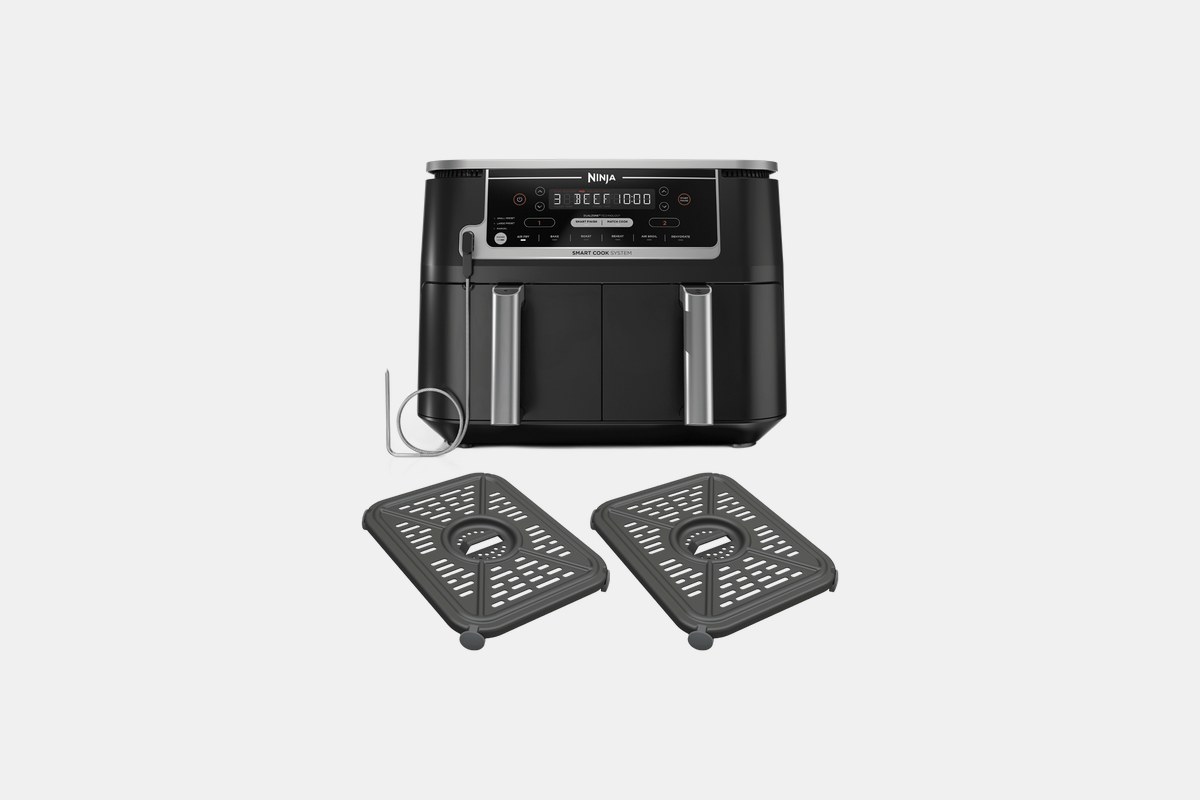
The Ninja Foodi DZ550 costs $250, and it’s the air fryer I recommend for most families. Its huge 10.1-quart capacity is split between two baskets, which means you can cook chicken wings in one and broccoli in the other. I’ve been daily-driving this for weeks, and it’s a beast.
The “Smart Finish” feature is the real magic here. It syncs the cooking times so both your main and your side finish at the exact same moment. It even includes a temperature probe for nailing a perfect medium-rare steak without any guesswork. The fan is powerful, and food comes out consistently golden-brown and crispy.
The Downside: While the baskets are dishwasher-safe, the ceramic nonstick trays inside them can be a pain to clean by hand if you get baked-on grease.
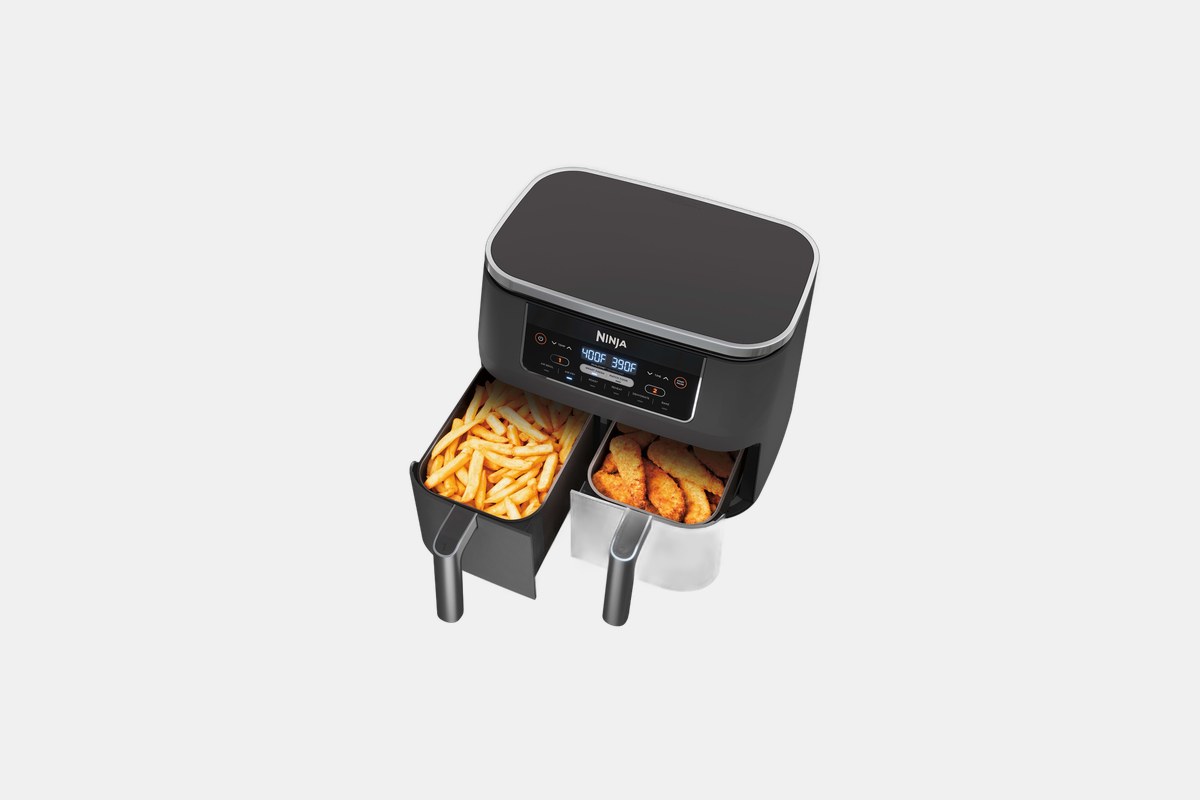
For around $180, the Ninja Foodi DZ201 is a slightly smaller, more affordable version of its bigger sibling. You still get the brilliant dual-basket design, but with an 8-quart total capacity. It’s more than enough for a family of four.
In my tests, it cooked just as evenly as the DZ550, turning out fantastic fries and wings. The temperature holds steady, and it preheats fast. If you don’t need the absolute largest capacity or the temperature probe, this is the smart buy.
The Downside: It lacks some of the extra cooking functions of the larger models, focusing purely on being a great dual-zone air fryer.
The Typhur Sync will set you back about $200. Instead of two small baskets, it has one massive 8.9-quart basket. This design gives you a much larger surface area, which is perfect for cooking big batches of food in a single layer for maximum crispiness.
I was impressed by how evenly this thing cooks, thanks to its multiple fan speeds. It also comes with a wireless temperature probe, which is a fantastic touch at this price. It preheats in under two minutes, which is faster than most of the competition I’ve tested.
The Downside: It’s a bit more expensive than a comparable Ninja model, and the single-basket design means you can’t cook two different foods at two different temperatures simultaneously.
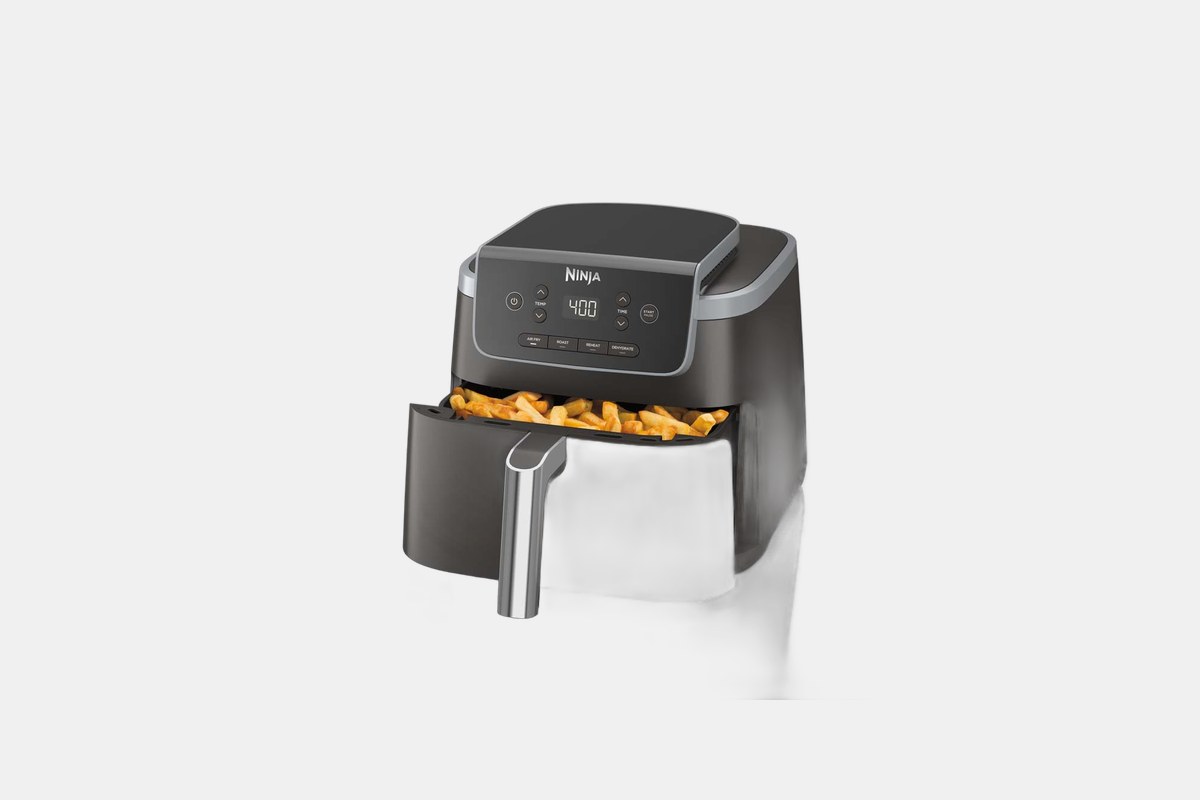
At just $90, the Ninja Pro AF141 is my top pick for couples, small apartments, or anyone who just wants a simple, effective air fryer. Its 5.1-quart basket is plenty roomy for two chicken breasts or a generous portion of fries. It’s compact but doesn’t feel cheap.
It gets the basics right: it fries, roasts, reheats, and dehydrates. Cooking is fast, and the results are reliably crispy. There are no complicated menus or features, just a dial for time and temperature. It just works.
The Downside: Because it’s a single-basket design without the advanced fan systems of pricier models, it doesn’t cook quite as evenly as the dual-basket Foodi fryers.
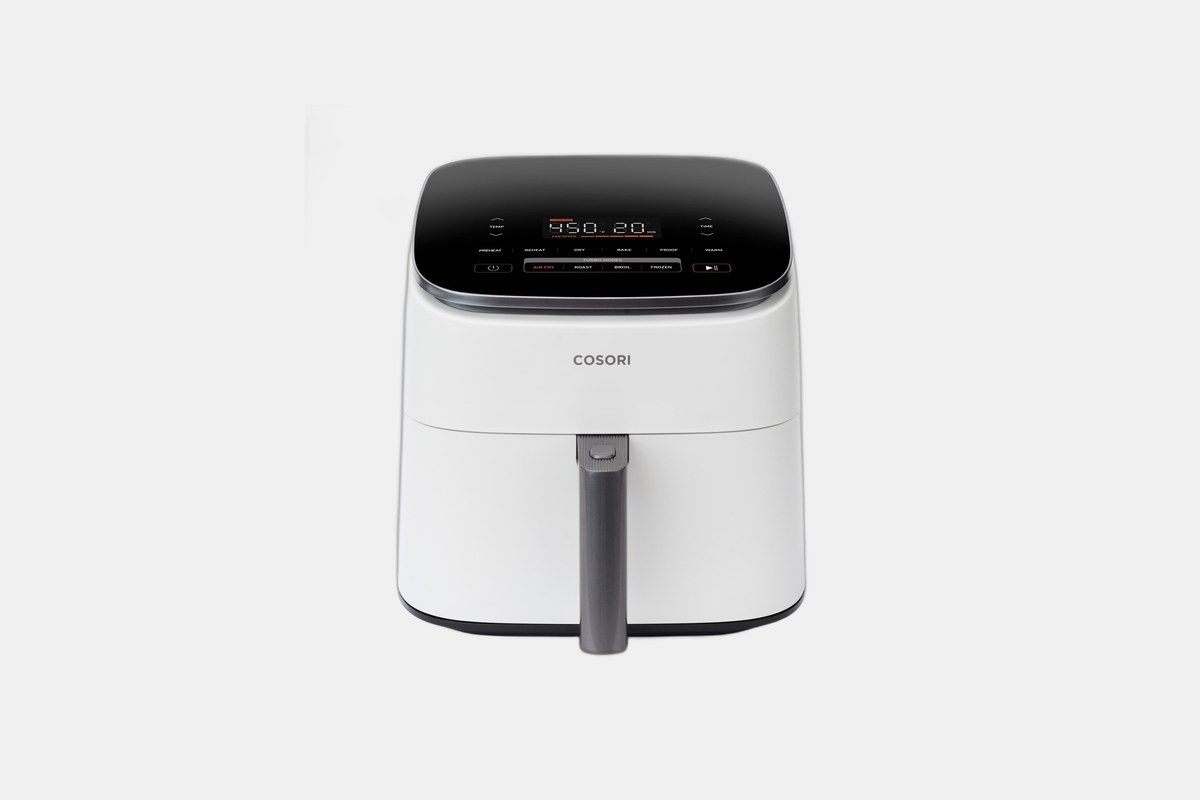
The COSORI TurboBlaze is a fantastic value at $120. It packs a 6.3-quart square basket, which I find fits more food than round baskets of a similar size. This is a great mid-size option for a family of four.
What I like about the COSORI is the control it gives you. It has five different fan speeds and a wide temperature range, so you can go from gently dehydrating fruit to blasting chicken wings with high heat. The crisping performance is excellent for the price.
The Downside: The fan is located at the top, and in some tests, I found it can overshoot the target temperature slightly before settling down.
For about $80, the Tefal Easy Fry Max is all about simplicity. It has a 5-liter non-stick basket that’s incredibly easy to clean and large enough to cook a decent batch of fish and chips for the family. The controls are dead simple, with just a few presets and manual dials.
This is a no-frills machine that delivers crispy results without a learning curve. If you find other air fryers intimidating with their endless buttons and modes, this is a great, affordable starting point.
The Downside: It’s a very basic machine. You don’t get the presets, fan speed controls, or smart features of more expensive models.
These are the countertop workhorses. A great blender can make everything from morning smoothies to silky soups, while a good food chopper can save you from tears when dicing onions. I’ve put these small appliances through their paces to see which ones deserve a spot in your kitchen.
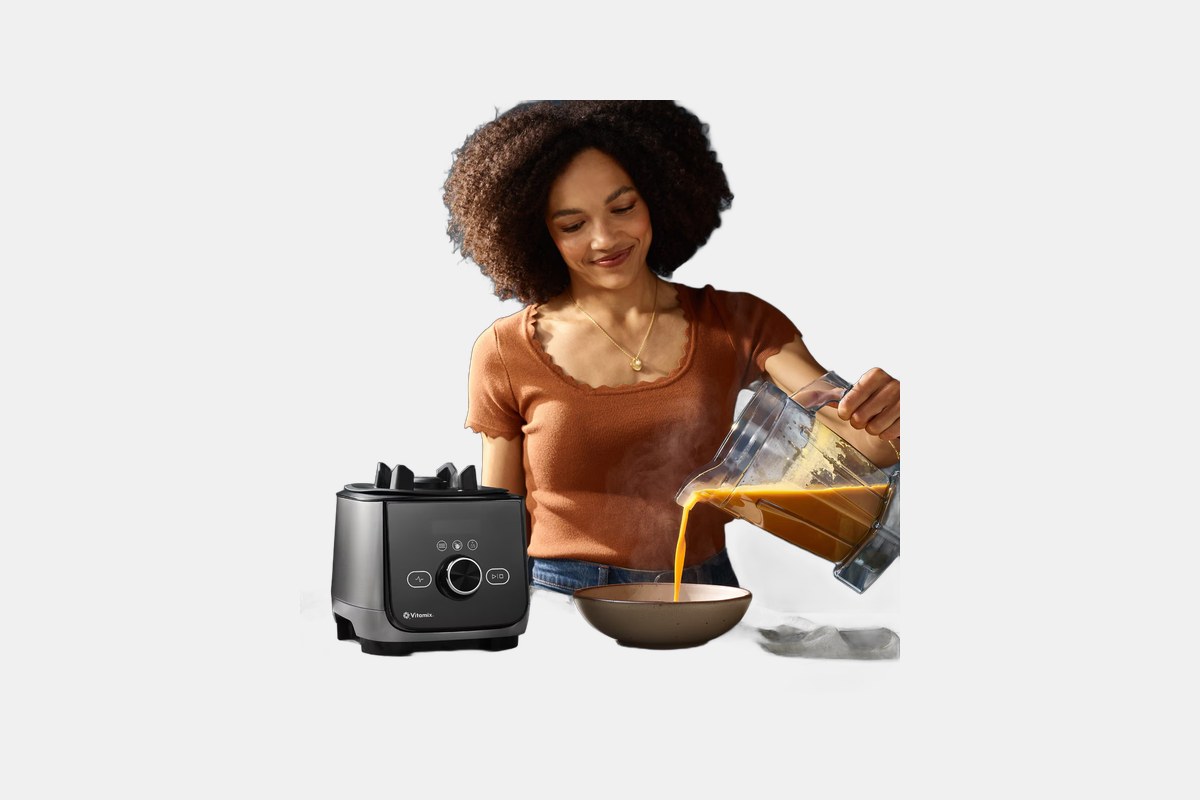
Yes, the Vitamix Ascent X4 is expensive at $500. But if you are serious about blending, nothing else I’ve tested comes close. It pulverizes everything. I made the smoothest nut butter I’ve ever had in this thing, a task that has killed lesser blenders.
Its 48-ounce jar is actually better for most tasks than the giant 64-ounce jars, creating a better vortex to pull ingredients down into the blades. It’s also noticeably quieter than older Vitamix models and competitors from Blendtec. It’s an investment, but it’s built to last for decades.
The Downside: The price. It’s a professional-grade machine with a professional-grade price tag to match.
This little $50 KitchenAid chopper is one of the most-used gadgets in my kitchen. It’s perfect for those small jobs where dragging out a full-size food processor feels like overkill. I use it constantly for chopping onions, making pesto, or whipping up a small batch of dip.
It’s incredibly simple with one-touch operation, and all the parts are dishwasher-safe, so cleanup is a breeze. It’s lightweight, compact, and powerful enough for everyday prep tasks.
The Downside: The 3.5-cup capacity is its biggest strength and weakness. It’s great for small portions but totally inadequate for large-batch cooking.
At $80, the Beast Mighty 650 is a powerful personal blender that looks great on the counter. The 650-watt motor is no joke; it easily crushes ice and frozen fruit for smoothies. It’s much stronger than a lot of other bullet-style blenders I’ve used.
The 638ml blending vessel doubles as a portable to-go cup, which is convenient for morning rushes. It feels solid and well-built, from the base to the sharp blade assembly.
The Downside: Like any personal blender, its small capacity makes it unsuitable for serving more than one or two people at a time.
Okay, at $180, the Smeg Toaster is a splurge. You’re paying a premium for that iconic 1950s retro style. But unlike a lot of design-focused appliances, this one actually performs really well.
It has four extra-wide slots that easily fit thick bagels or slices of artisan bread. With six browning levels plus dedicated defrost and reheat functions, I got perfectly consistent toast every time. It’s a statement piece that also makes great toast.
The Downside: The price is steep for a toaster. You can get similar performance for less than half the cost from other brands.
Sometimes the smallest tools make the biggest impact. A good thermometer takes the guesswork out of cooking meat. A sharp pair of shears makes breaking down a chicken a two-minute job. These are the affordable kitchen tools that I reach for every single day.
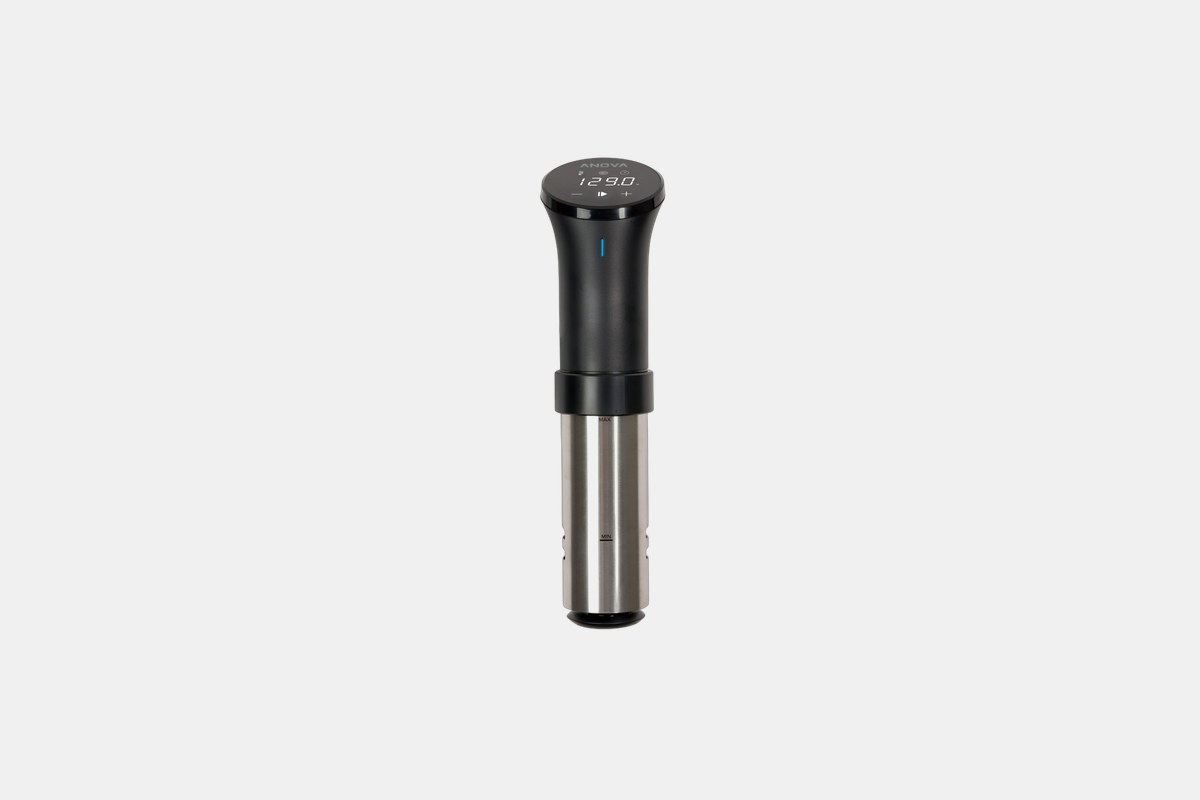
This Anova vacuum sealer costs $100 and is an absolute must-have if you do any sous vide cooking or just want to prolong the life of your food. I use it for freezing meat, storing cheese, and meal prepping for the week.
Its best feature is the “pulse” vacuum function. This lets you gently suck the air out around delicate foods, like berries or a piece of flaky fish, without crushing them into mush. The seal is strong and reliable, which is exactly what you need.
The Downside: It works great with standard-size bags, but it’s not designed to handle extra-large bags for sealing huge items.
An instant-read thermometer is non-negotiable, and the $130 Typhur is the best one I’ve ever tested. The OLED display gives you a temperature reading in less than a second. The probe is incredibly thin, so it doesn’t leave huge puncture holes in your steak.
It’s fully waterproof, which makes cleaning easy, and it feels incredibly robust. I’ve used it for everything from checking chicken on the grill to tempering chocolate, and it delivers flawless, precise readings every time.
The Downside: The probe is so thin that it can feel a bit delicate when you’re trying to temp a really thick roast or pork shoulder.
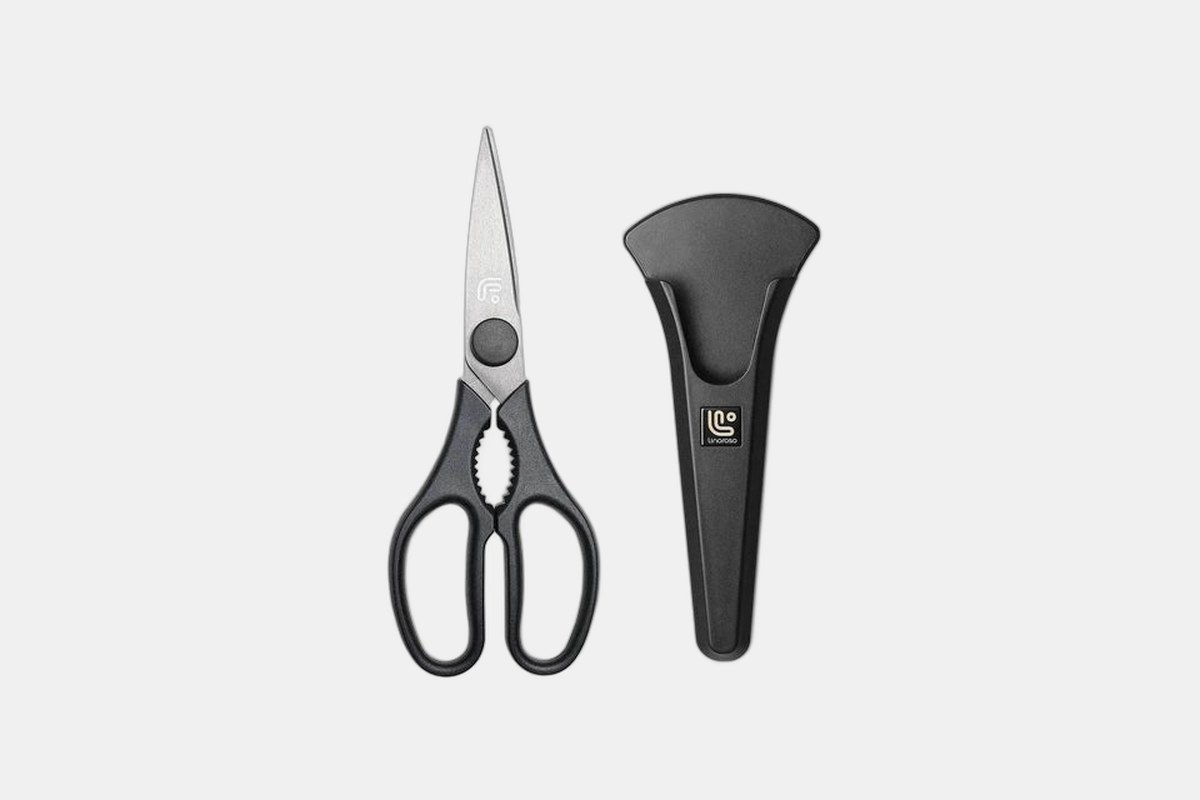
A good pair of kitchen shears is worth its weight in gold, and these $25 Linoroso shears are fantastic. They are forged from heavy-duty stainless steel and feel incredibly sturdy in your hand. I’ve used them to spatchcock a chicken, and they cut through the backbone with zero effort.
The blades have a micro-serrated edge that grips onto slippery things like raw poultry skin. They’re also great for snipping delicate herbs without bruising them. They come apart for easy, thorough cleaning.
The Downside: These are much heavier and beefier than a standard pair of kitchen scissors, which might be overkill for some users.
It only costs $12, but the OXO Good Grips Swivel Peeler is a kitchen icon for a reason. I’ve had one in my drawer for over a decade. The fat, rubbery handle is comfortable to hold, even when your hands are wet, and it prevents slips.
The sharp, stainless steel twin blades swivel to follow the contours of whatever you’re peeling, whether it’s a lumpy potato or a smooth apple. It glides effortlessly and has a built-in potato eyer for removing blemishes. It’s a simple, perfect tool.
The Downside: It’s fantastic for most vegetables, but the blades can struggle a bit with really tough peels, like on a butternut squash.
For $20, this 7Penn food scale is an essential tool for anyone who bakes. Measuring ingredients by weight instead of volume is far more accurate and will instantly improve your cakes and breads. This scale is precise enough to register small changes, which is what you need.
The tare function is key, allowing you to zero out the weight of your bowl and measure multiple ingredients in the same container. It’s compact, easy to store, and reliable for its main purpose: accuracy.
The Downside: While it’s accurate, some testers have noted occasional frustrations with the button sensitivity during use, but for the price, it’s a minor complaint.
I don’t just pull products from a catalog. My process starts by looking at what’s popular, what’s new, and what people are actually buying on sites like Amazon. Then I dig into user reviews—the good and the bad—to identify potential real-world problems.
From there, I get the products in my own kitchen. I don’t run sterile lab tests. I cook with them for weeks, integrating them into my daily routine to see if they actually save time or just create more mess. Does it solve a real problem? Is it easy to clean? Is it worth the counter space it occupies?
A gadget only makes this list if it survives that process and earns a permanent place in my kitchen. The best kitchen tool isn’t the one with the most features; it’s the one you’ll actually reach for again and again.
12 Best Clear iPhone Cases
Top 8 Neckband Earbuds
7 Best Crossbody Phone Cases
Best Toddler Cameras