12 Best Clear iPhone Cases
12 Best Clear iPhone Cases

Let’s be real. Having a baby flips your world upside down, and suddenly you’re researching things you never thought you would at 3 a.m. Which bottle is best? Is this monitor secure? What’s the deal with baby carriers? The market is flooded with helpful parenting gadgets, but a lot of them are just junk.
That’s where I come in. I’ve spent hundreds of hours over the past year testing, assembling, and daily-driving the top baby gear on my own kid. I’ve lugged these strollers through city streets, stared at these monitors for hours, and washed more baby bottles than I can count.
This list isn’t based on marketing fluff. It’s built on real-world use, from the newborn stage through the toddler years. These are the gadgets that actually make your life easier, not just add more clutter to the nursery.
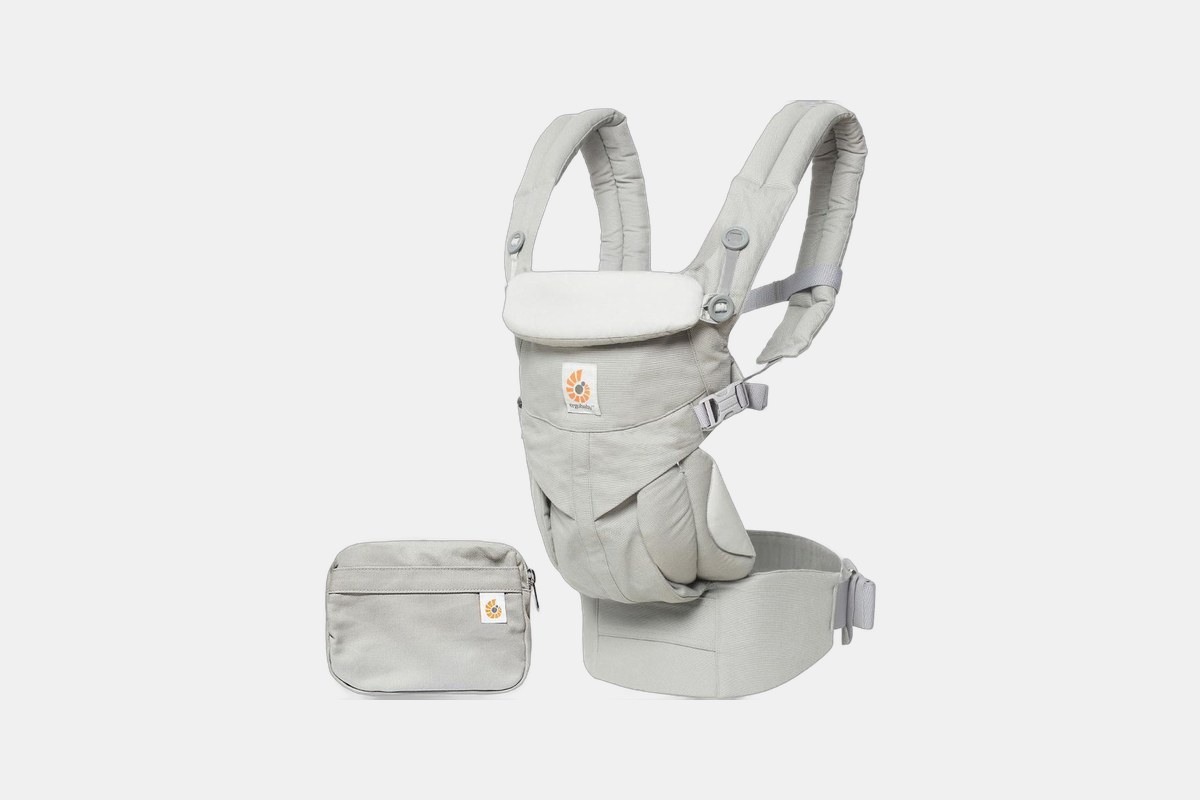
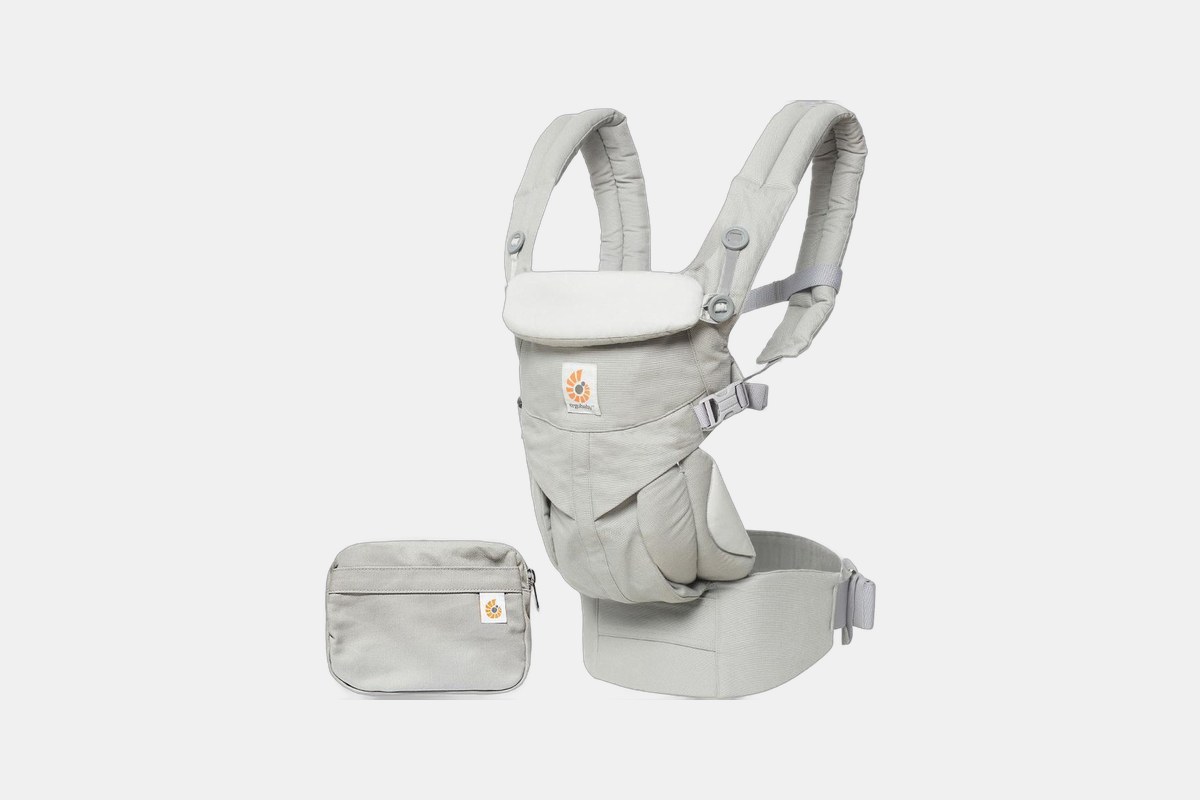
The ErgoBaby Omni 360 costs $179, and it’s one of the few carriers that genuinely works from newborn to toddler. It supports a huge weight range of 7 to 45 pounds without needing a separate infant insert, which is a big win.
I found the lumbar support to be a back-saver on long walks. Switching between the four carrying positions—front-inward, front-outward, hip, and back—is straightforward once you do it a couple of times. It’s a workhorse that combines the closeness of a wrap with the structure you need for all-day comfort.
The Downside: It’s a bit pricier than simpler carriers from brands like Infantino, but its longevity justifies the cost for most parents.
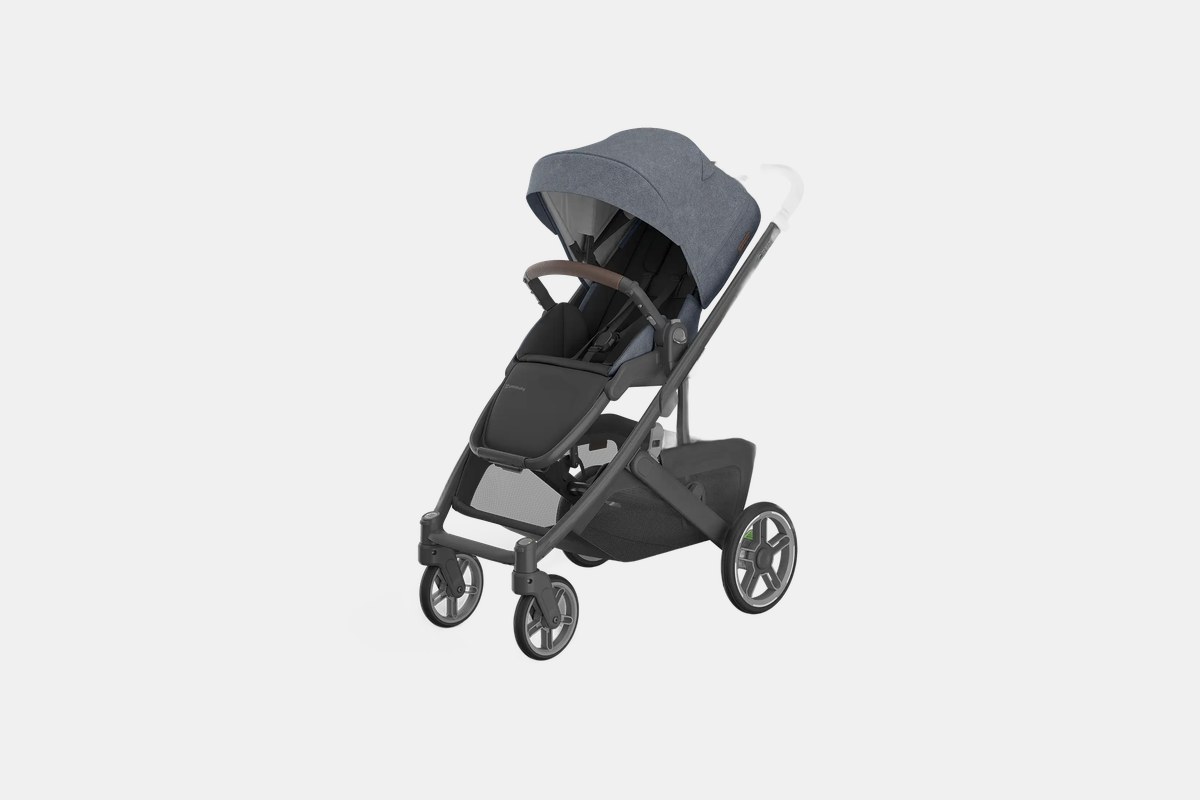
At around $900, the UPPAbaby Cruz V3 is an investment, but its performance is unmatched for everyday use. The ride is incredibly smooth thanks to its all-wheel suspension, and it navigates tight grocery store aisles and bumpy sidewalks with ease.
The latest version has a higher seat, which brings your baby closer, and the no-rethread harness is a fantastic update. I love the massive storage basket—it fits a diaper bag, groceries, and a random scooter my older kid abandoned. The one-step fold is also a lifesaver when you’re trying to wrangle a baby and collapse a stroller simultaneously.
The Downside: The price is steep, and accessories like the cup holder or snack tray are sold separately.
This wrap is about $70 and it’s my top pick for the newborn phase. The Lenzing modal fabric is ridiculously soft and lightweight, which is perfect for keeping a tiny baby snug without overheating them. It feels more like a comfy t-shirt than a structured carrier.
Unlike some bulkier wraps, the Solly has just the right amount of fabric, so you’re not swimming in it. It takes a little practice to get the hang of tying it, but after a few YouTube tutorials, it becomes second nature. It’s fantastic for skin-to-skin contact and calming a fussy baby.
The Downside: Its use is limited to the first few months. Once your baby gets heavier and more active (around 25 pounds), you’ll need to graduate to a more structured carrier.
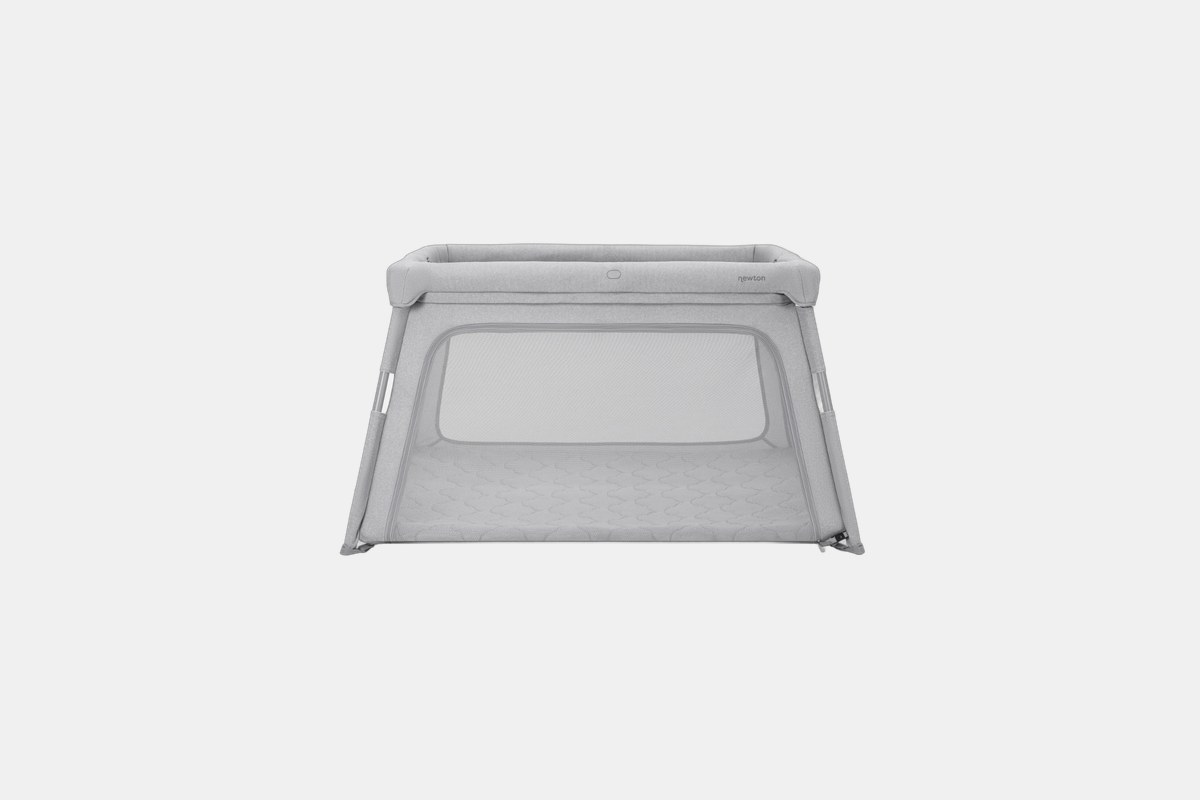
For $300, the Newton Travel Crib offers serious peace of mind. Its main selling point is the completely breathable Wovenaire mattress, which is made from the same stuff as their famous crib mattresses. For a nervous new parent, knowing your baby can breathe right through it is huge.
The whole thing is Greenguard GOLD certified and weighs just 17 pounds, making it manageable for trips to grandma’s house. It sets up in about a minute and feels way sturdier than some of the flimsier playards I’ve tested. The included travel bag is also well-designed and durable.
The Downside: It’s not cheap for a travel crib, and folding it back up perfectly into the bag takes a bit of a learning curve.
The Nanit Pro starts at $290 and is more than just a camera; it’s a sleep data machine. The 1080p overhead camera provides an unbeatable bird’s-eye view of the crib, and the video quality is crisp, even in pitch-black night vision mode.
What sets it apart is the breathing motion monitoring, which works using a special pattern on their swaddles and sleep sacks—no electronic sensors on your baby. The app provides daily sleep reports, video histories, and even temperature and humidity readings. I found the connection to be rock-solid over Wi-Fi with almost no lag.
The Downside: To unlock the full suite of features and save more than a day of video history, you have to pay for a Nanit Insights subscription.
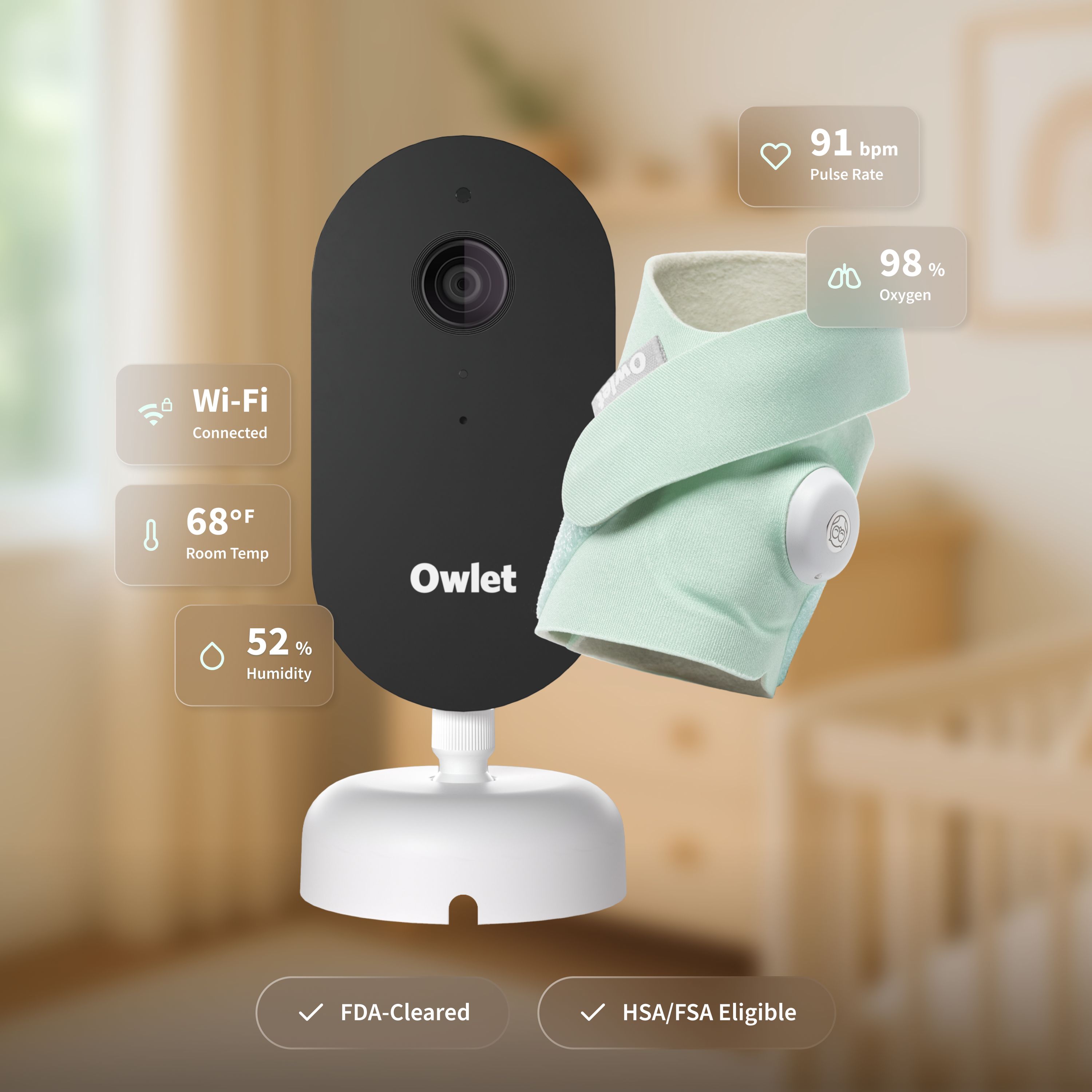
The Owlet Dream Duo costs a hefty $380, but it’s the closest you can get to medical-grade monitoring at home. It pairs a 1080p HD camera with the FDA-cleared Dream Sock, which tracks your baby’s heart rate, oxygen level, and sleep patterns.
I was impressed by the sock’s accuracy and the app’s clear presentation of data. The camera offers two-way audio and background audio, so you can hear your baby even when using other apps. The peace of mind it offers some parents is undeniable, especially for those with health concerns.
The Downside: It’s one of the most expensive monitoring systems on the market, and some parents might find the amount of data overwhelming or anxiety-inducing.
If you don’t want a Wi-Fi monitor, the VTech VM819 is a fantastic choice for just $90. It operates on a secure, private FHSS signal, so you don’t have to worry about hacking. Its standout feature is the battery life—I consistently got over 19 hours of video monitoring on a single charge.
The 1,000-foot range is legit; I could take the parent unit out to the mailbox without losing the signal. The video quality is clear enough on the 2.8-inch screen, and it has essential features like two-way talk and temperature sensing. It’s a reliable, no-frills workhorse.
The Downside: The screen is small compared to modern smartphones or premium monitors, and the resolution isn’t HD.
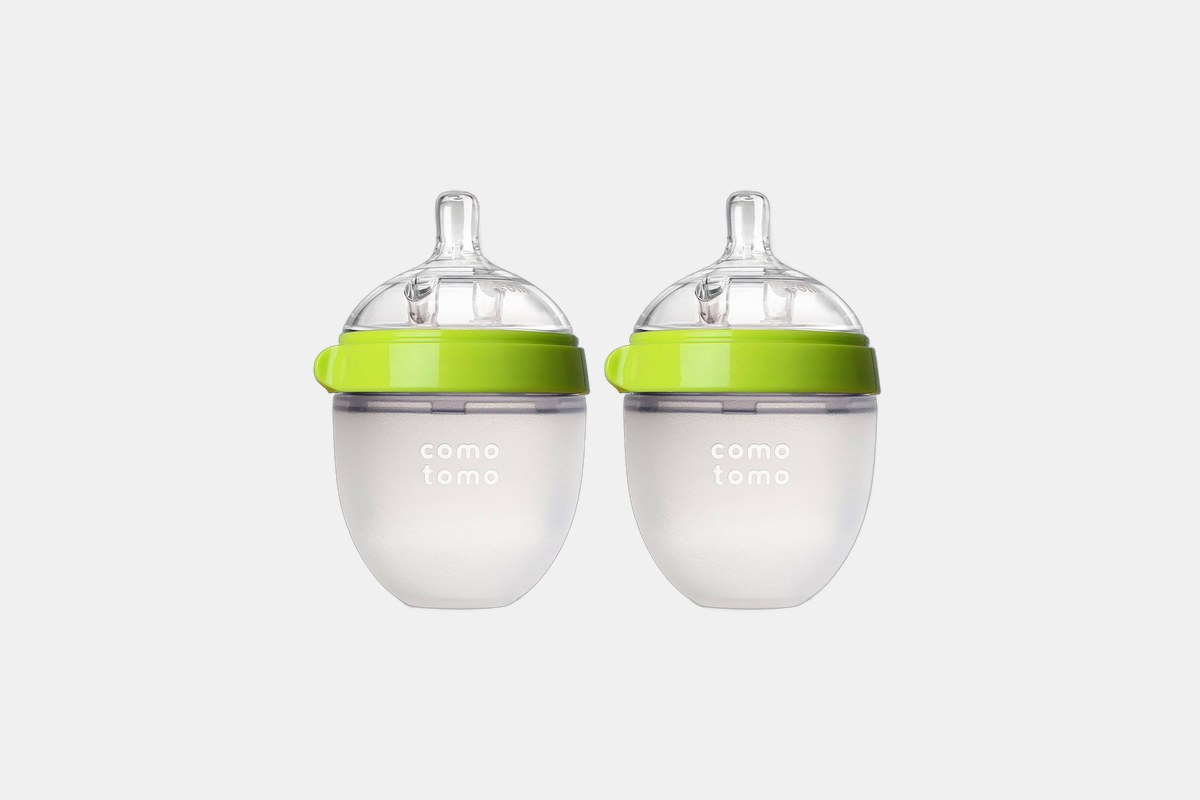
A two-pack of Comotomo bottles will run you about $23. They are specifically designed for breastfed babies, and in my testing, they live up to the hype. The super wide, soft, and flexible silicone base is easy for babies to latch onto, closely mimicking the breast.
The bottle itself is made of a squeezable silicone, which feels more natural and is easy for little hands to eventually hold. The dual anti-colic vents worked well to reduce fussiness and gas. Plus, the wide neck makes them incredibly easy to clean—no special bottle brush required.
The Downside: They are pricier than standard plastic bottles, and the soft silicone can sometimes tip over more easily if not placed on a flat surface.
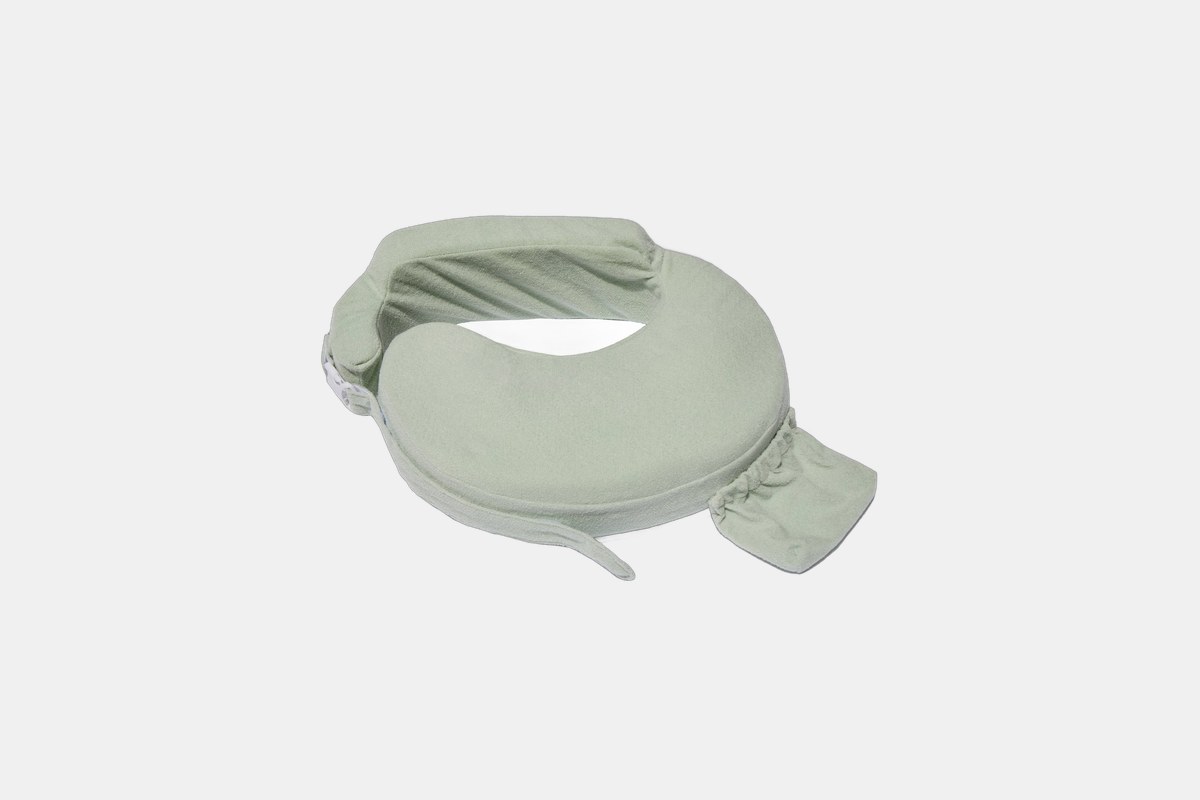
For $45, the My Brest Friend pillow is a must-have for breastfeeding moms. Unlike crescent-shaped pillows, this one has a firm, flat surface that prevents the baby from rolling around. It wraps around your body and secures with a clip, providing excellent back support.
This design brings the baby right up to breast height, so you’re not hunching over and straining your neck, back, and arms. The little side pocket is also surprisingly useful for stashing your phone, a burp cloth, or a water bottle. It made a huge difference in my comfort during those long newborn feeding sessions.
The Downside: It’s bulkier than other nursing pillows, and the cover options are somewhat limited and not as stylish as competitors like Boppy.
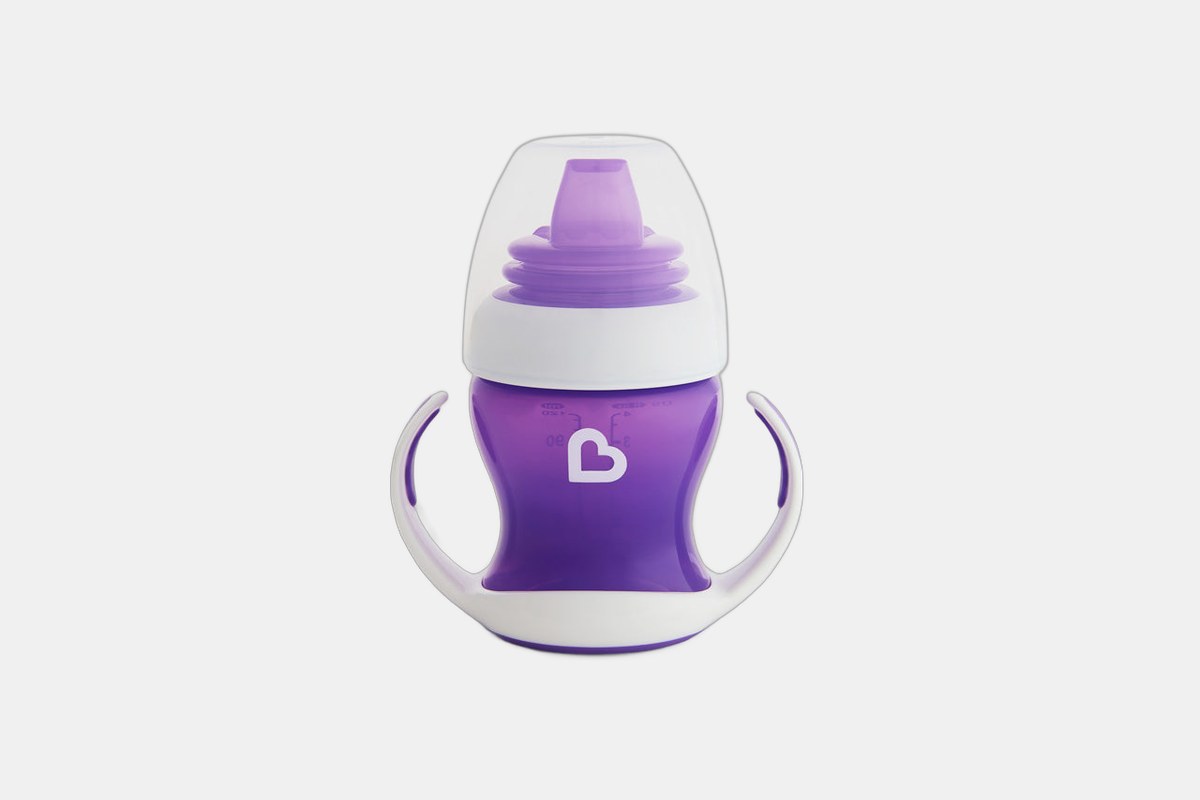
At just $8, this is the best cup I’ve found for helping a baby move from a bottle to a sippy cup. It’s designed for babies 4 months and older, with a soft, flexible silicone spout that feels familiar and is gentle on their gums.
The removable handles are easy for little hands to grip, and the anti-colic valve is a nice touch. Most importantly, it’s genuinely leak-proof when the valve is in place. It’s an affordable, effective tool for that next stage of feeding.
The Downside: The valve can be a little tricky to clean if you don’t take it apart completely.
You can get a pack of these hospital-favorites for under $10. The one-piece, 100% medical-grade silicone design is durable and easy to clean. There are no nooks or crannies where water and germs can hide.
Its shape is designed to not interfere with the natural development of a baby’s palate, and many lactation consultants recommend it because it’s less likely to cause nipple confusion in breastfed newborns. It’s simple, safe, and effective.
The Downside: They don’t have a handle or loop, which makes them harder to attach to a pacifier clip and incredibly easy to lose in the crib at 2 a.m.
A bag of these pods costs about $20, and they are fantastic for tackling baby-related stains. From spit-up to diaper blowouts, these plant-based pods have impressive cleaning power without using harsh chemicals or optical brighteners.
I tested the fragrance-free version, and it left clothes feeling soft and truly clean, with no irritating residues. It’s a great option for the whole family, especially if anyone has sensitive skin. The convenience of a pre-measured pod is also a bonus on laundry day.
The Downside: The pods can sometimes get sticky or dissolve if your hands are wet when you reach into the bag.
For around $15, Itzy Ritzy’s teething toys are a lifesaver. The silicone rings can be chilled in the fridge for extra soothing power on sore gums. They have multiple textures that provide sensory input and relief.
The teething mitt is brilliant for younger babies who can’t yet hold a teether but love to chew on their hands. It straps on with a gentle velcro closure and makes a satisfying crinkle sound. Out of the dozens of teethers I tested, these were consistently the ones my baby reached for.
The Downside: The mitt is best for smaller babies; larger infants might find it a bit snug.
This all-purpose balm is about $15 and it’s a staple in our house. It’s an incredibly thick, organic blend of oils and butters that works wonders on everything from chapped cheeks and drool rash to mild eczema and diaper rash prevention.
Because it’s so concentrated, a tiny bit goes a long way. The ingredient list is clean and trustworthy, with no petrolatum or other questionable additives. It creates a great barrier to protect sensitive skin from moisture.
The Downside: It’s more expensive per ounce than basic moisturizers like Aquaphor, but its organic ingredients make it worth it for many parents.
Priced around $250, the Storkcraft Hoop Glider is a budget-friendly way to get a dedicated nursery chair. It comes with a matching ottoman that glides in sync with the chair, which is perfect for propping your feet up during late-night feedings.
The gliding motion is smooth and quiet. While it’s not a high-end, plush recliner, the cushions are comfortable enough, and the solid wood frame feels sturdy. It’s a simple, effective piece of furniture that gets the job done without breaking the bank.
The Downside: The design is fairly basic, and assembly is required, which can take about an hour.
When I’m testing gear, I’m not just looking at features. I’m looking at how a product fits into the chaotic reality of life with a baby. First and foremost is safety. Does it have certifications like Greenguard GOLD or JPMA? Are the materials non-toxic and baby-safe? If it’s a tech gadget, is the connection secure?
Next up is longevity. I prioritize gadgets that grow with your child. A carrier that works from 7 to 45 pounds offers far more value than one you’ll only use for three months. A convertible stroller or a monitor with features that remain useful for a toddler is always a better investment.
And finally, I consider ease of use. Can I assemble it with a fussy baby on my hip? Can I clean it with one hand? If a gadget adds more stress than it relieves, it doesn’t make the cut. The best products are the ones that simplify a task, give you peace of mind, or just make a tough day a little bit easier.
12 Best Clear iPhone Cases
Top 8 Neckband Earbuds
7 Best Crossbody Phone Cases
Best Toddler Cameras