25 Things to Pack for a Cruise
25 Things to Pack for a Cruise


Okay, let’s be real. Your Instagram feed is probably begging for something other than another brunch pic. The solution? A national park trip. I’m talking epic canyons, mountains that look fake, and wildlife that isn’t just a pigeon trying to steal your fries. It’s the ultimate 2026 glow-up for your soul *and* your socials.
But with 63 parks to choose from, where do you even start? Don’t stress. I’ve waded through the endless listicles and road-tripped my little heart out to find the absolute must-see places in the United States. Think of me as your personal park ranger, but with better taste in hiking snacks.
From the iconic views you’ve seen a million times to the gear that will actually save you from a blister-induced meltdown, this is your definitive guide. Let’s get into it.

This guide costs $27.99 and is basically the bible for anyone who’s serious about hitting multiple parks. I love that it covers *all* 63, not just the famous ones that are already all over your feed. It’s perfect for planning a massive road trip or trying to find a hidden gem.
It breaks down itineraries, maps, and what’s actually worth seeing in each spot, from A-listers like Yosemite to under-the-radar spots like Kenai Fjords. So if you’re the type who needs a plan for your plan, this is it.
The Downside: It’s a book, not a live feed. Things like shuttle schedules or permit rules can change in a flash, so you’ll definitely still need to double-check the official park website before you go.

For $24.99, this is your go-to if you’re feeling a little overwhelmed by choice. Instead of covering every single park, Lonely Planet focuses on the top-tier, must-see places that you’re probably already dreaming about. Think Grand Canyon, Zion, Yellowstone… all the big names are here.
It’s super visual and gives you the perfect amount of info to feel prepared without being buried in details. I found the suggested road trip itineraries connecting major parks super helpful for my first big western loop.
The Downside: If you’re looking for deep cuts or a super detailed guide to one specific park, this isn’t it. It’s more of a greatest-hits album, which is great for beginners but might feel a little basic for seasoned park-hoppers.
At $35.00, this one is for my visual girlies. The photos are, of course, absolutely insane. It’s the kind of book that makes you understand *why* these places are so protected. It’s less about minute-by-minute itineraries and more about the story behind the scenery.
I loved reading the sections on geology and wildlife while I was actually in the park. It made me appreciate places like Glacier and Mount Rainier on a totally different level. Plus, the maps are gorgeous and easy to read.
The Downside: It’s a thicc book. This is a coffee-table-to-car guide, not something you’re tossing in your daypack to check on the trail. It’s heavy and not exactly trail-friendly.

Okay, this one’s a splurge at $65.00, but hear me out. If you’re a map nerd or just love seeing the big picture, this atlas is stunning. It really helps you understand how parks like Zion and the Grand Canyon are part of a larger system, which is honestly kind of mind-blowing.
It’s organized by region and has these huge, detailed maps that show terrain and major trails. I used it at home to daydream and get a feel for the scale of my trip before I even booked a flight. It’s pure inspiration fuel.
The Downside: This is 100% an at-home research tool. Don’t even think about packing it. It’s for dreaming and scheming, not for finding your way back to the car.
For $29.99, Fodor’s is for the traveler who wants to know where to sleep and eat *after* the epic hike. It balances the nature stuff with practical advice on lodging, restaurants, and tours near crazy-popular parks like Acadia and Zion.
I found its advice on where to stay near park gateways super useful, because finding a decent hotel that isn’t booked a year out can be a nightmare. It also has great suggestions for families or people who aren’t necessarily looking for a 10-mile trek.
The Downside: It’s a bit light on the hardcore hiking details. If you’re looking for intense backcountry routes and detailed trail stats, you’ll need to supplement this with a more hiking-focused guide or app.
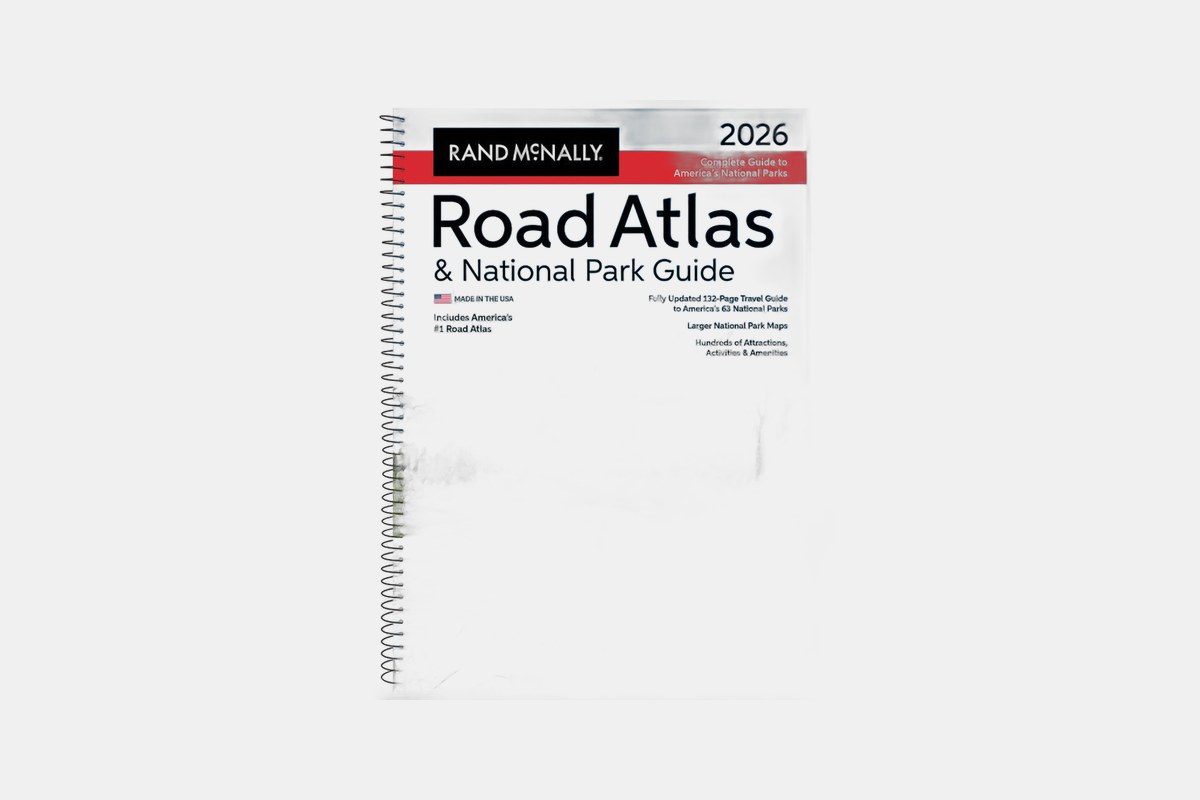
This $26.95 guide is an absolute road trip classic for a reason. It’s an old-school atlas combined with mini-guides to the major parks. Perfect for when you’re in the middle of nowhere with zero cell service and need to figure out how to get from Yellowstone to Grand Teton.
I love the spiral-bound format that you can just toss on the passenger seat. It’s built for being on the move and gives you just enough info on each park’s main attractions to know what you want to hit.
The Downside: The park info is very brief. It’s a fantastic tool for getting *to* the park, but once you’re inside, you’ll want something more detailed to guide your actual exploring.

Listen, if you plan on visiting more than two major parks in a year, just buy this $80.00 pass. Seriously. Entrance fees for places like the Grand Canyon can be $35 a pop, so it pays for itself almost immediately. It feels like having a VIP key to the entire country.
It’s good for a full year and covers entrance fees for you and everyone in your car at over 2,000 federal sites. Just hang it from your rearview mirror and feel smug as you bypass the long payment lines.
The Downside: This pass covers entry only. It won’t get you a campsite, a spot on a popular tour, or a backcountry permit. You still have to plan and pay for all of that separately.
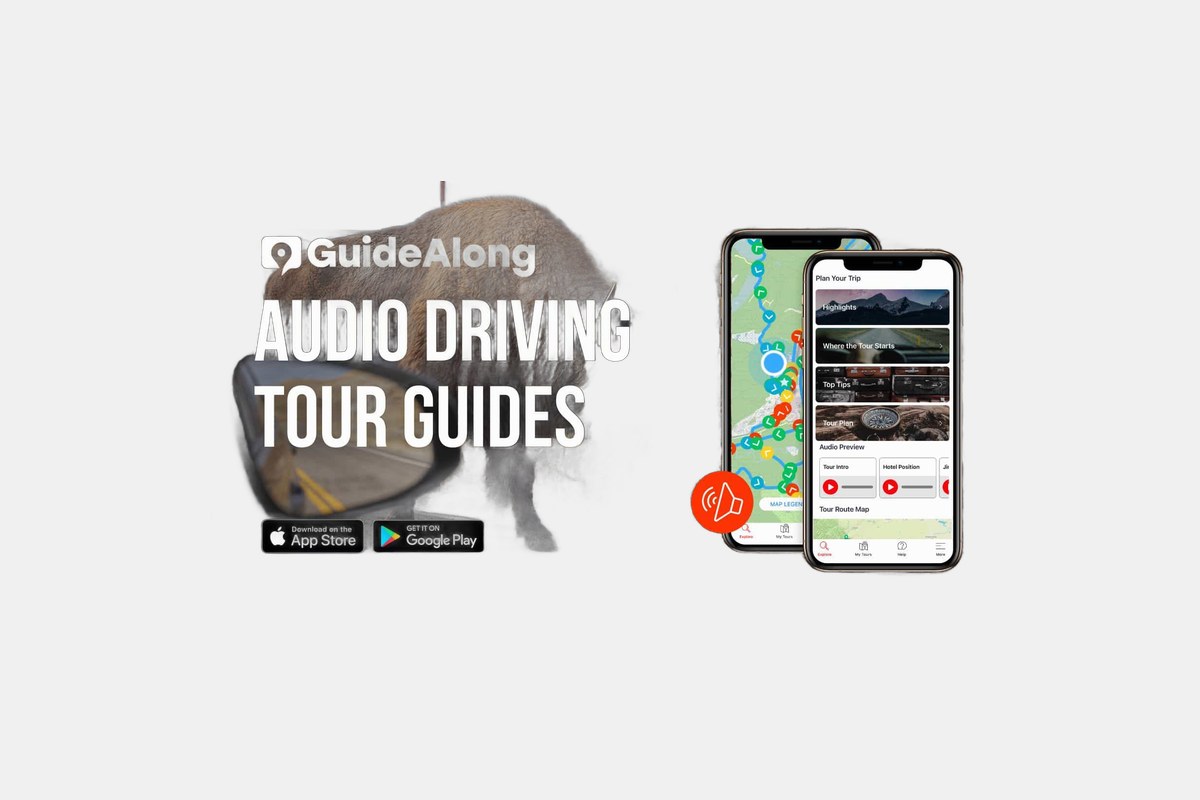
For $39.99, this app is like having a tour guide in your car who doesn’t talk too much. As you drive, it uses your phone’s GPS to automatically play audio clips about the history, geology, and viewpoints you’re passing. It’s genius, especially in parks like Yellowstone where there’s so much to see from the road.
The best part? It works offline. You download the tour before you lose service, and it just works. I used it on Glacier’s Going-to-the-Sun Road and it pointed out tons of cool stuff I would have totally missed otherwise.
The Downside: It’s all about the scenic drives. If your plan is to park the car and immediately disappear into the backcountry for three days, this app won’t be much use to you.
This $109.00 bundle is the perfect starter kit if you’re new to the whole national park thing. You get the America the Beautiful annual pass plus a cute, compact guide to the most popular parks. It’s an easy one-and-done purchase.
The guidebook is focused on the big-name parks like Yosemite and Zion, and it includes helpful packing lists and safety tips. It’s a great gift for someone (or yourself) who’s just getting started on their park journey.
The Downside: You’re paying a bit of a premium for the convenience. If you already have a guidebook you like, it’s cheaper to just buy the pass on its own.
An AllTrails+ subscription is $35.99 for the year, and if you plan on hiking at all, it’s non-negotiable. The free version is good, but the paid one lets you download maps offline, which has literally saved me from getting lost more times than I can count.
I love reading the recent trail reviews from other hikers. They give you the real-time scoop on conditions—like if a trail is a total mud pit or if the snow has finally melted. You can filter hikes by length, difficulty, and even how crowded they are, which is a lifesaver in popular parks.
The Downside: The quality of the trail info can be a little inconsistent since it’s crowdsourced. I always cross-reference important routes with an official park map just to be safe.

This app is completely free, so you have no excuse not to download it. It’s the official word from the National Park Service, with the most up-to-date info on closures, alerts, and facility hours. In parks like Zion that have complicated shuttle systems, this app is your best friend.
You can download park info for offline use, which is clutch. It also has self-guided tours and interactive maps for many of the major parks. I used it constantly in the Great Smoky Mountains to find less-crowded picnic spots.
The Downside: The amount of content really varies from park to park. The huge, popular parks have tons of features, while some of the smaller, less-visited ones might only have a basic map.
Each of these little books is about $14.95, and they are perfect for casual hikers or anyone who wants maximum views for minimum effort. They focus on just one park and break down the best short, accessible trails that still deliver those jaw-dropping moments.
The maps are super clear, and they give you all the key stats like distance and elevation without being overwhelming. I always grab one of these if I’m heading to a new park and want to hit the highlights without committing to an all-day suffer-fest.
The Downside: The name says it all. These are *not* for serious backpackers or anyone looking for a challenging, multi-day adventure. They are specifically for easy day hikes.
For $29.95, this is pure, unadulterated fun. It’s a gorgeous poster of the U.S. with a scratch-off layer for each of the 63 national parks. Every time you visit a new one, you get the satisfaction of scratching it off to reveal a cool illustration underneath.
It’s such a great motivator to keep exploring and a beautiful way to track your adventures. I have one hanging in my office and it’s the best conversation starter and trip-planning inspiration.
The Downside: It’s a poster, not a planner. It provides zero practical information for your trips, but it will look amazing on your wall.
At just $14.95, this little blue book is the cheapest and most charming souvenir you can get. At almost every park visitor center, you can get a free cancellation stamp with the park’s name and the date of your visit. It’s weirdly addictive.
Collecting the stamps is a super fun way to commemorate your trips, and it encourages you to actually stop by the visitor center, where you can get great advice from rangers. I’m obsessed with filling mine up.
The Downside: If you’re not a collector type or you only visit parks once in a blue moon, it’s just another thing to carry. Its value is purely sentimental.
This $75.00 daypack is pretty much the perfect size for 90% of national park adventures. It’s big enough to hold your water, a rain jacket, a million snacks, and your phone, but it’s not so bulky that it feels like you’re training for Everest.
The back panel is ventilated (translation: less back sweat), and it has a sleeve for a hydration reservoir, which is way better than fumbling with water bottles. I’ve worn this on countless hikes in places like Zion and Rocky Mountain, and it’s always super comfortable.
The Downside: It’s a *day* pack. Don’t try to stuff your sleeping bag and tent in here for an overnight trip. It’s just not going to happen.
Honestly, I live for this. I’ve spent more time than I’d like to admit scrolling through travel blogs, comparing guidebooks, and actually getting my boots dirty in these parks. This list is a mix of the gear and guides that are consistently recommended by people who know what they’re talking about, plus the stuff I personally can’t live without.
The goal is to be prepared, but not over-prepared. You want a solid plan, but you also need to leave room for the spontaneous magic that happens when you’re watching a sunset over the Grand Canyon or get stuck in a bison traffic jam in Yellowstone.
My final piece of advice? Always, always, *always* check the official NPS website for any park you’re visiting right before you go. Conditions, rules, and crowds change fast. Now go book that trip!
25 Things to Pack for a Cruise
Shop Pop Mart Crybaby On Amazon
50 Best Organization Products to Declutter Your Home and Life
12 Best Bike Storage Ideas