20 Best Minecraft Toys On Amazon
20 Best Minecraft Toys On Amazon

The term “educational toy” can make you think of boring flashcards and toys that get played with once and then collect dust. But the best learning toys are just… great toys. They’re the ones my kids keep coming back to, the ones that survive being thrown down the stairs, and the ones that sneak in lessons on numbers, letters, and social skills without anyone noticing.
We spent months testing dozens of the newest toys for 2026. We built, we stacked, we “cooked,” and we pretended. We handed them over to our panel of tiny testers—from babies just learning to sit up to opinionated first-graders—to see what actually holds their attention and what’s worth your money.
These are the educational toys that truly deliver. They’re fun first, which is the whole point. The learning just happens to be a fantastic bonus.
This activity table costs about $60. It’s one of the few baby toys I’ve seen that genuinely grows with a child, which is a huge win for parents. My little one started with it flat on the floor for tummy time, then we added the legs when she could stand. Now she uses the easel side for drawing.
It has over 135 songs and phrases covering colors, shapes, and the alphabet. It’s a solid choice for independent play; it held our tester’s attention long enough for me to actually get dinner started, which felt like a miracle.
The Downside: Like most electronic toys, you’ll be replacing batteries. It doesn’t come with them, so have some AAs ready.
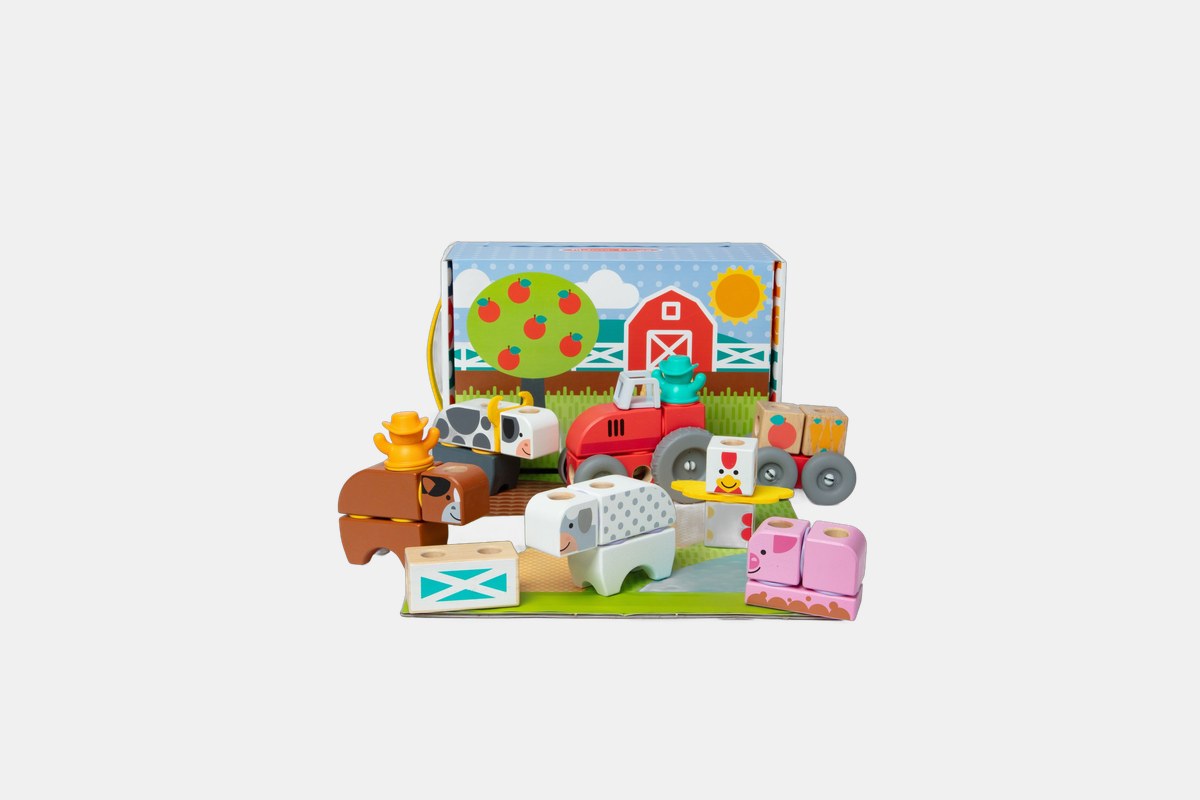
You can get this farm set for around $33. The chunky wooden blocks are perfect for little hands to grab and connect. My 2-year-old figured it out on his own, snapping together the cow and pig, which was great for his hand-eye coordination.
Even my 4-year-old got in on the action, so it’s a good one for siblings to share. The box cleverly doubles as a little farm scene for pretend play once the animals are built.
The Downside: It’s just farm animals. If your kid isn’t into the farm theme, this one won’t have much staying power.

This barnyard playset is about $38. It’s a fantastic screen-free option that works on fine motor skills. Toddlers love opening the little doors to find the finger-puppet animals inside, and the stacking veggies are a nice touch for practicing coordination.
In our house, this quickly turned into a game of “feeding” the animals. It’s simple, durable, and doesn’t make any noise, which is a big plus in my book.
The Downside: Some of the vegetable pieces are on the smaller side, so you’ll want to supervise really young toddlers closely.
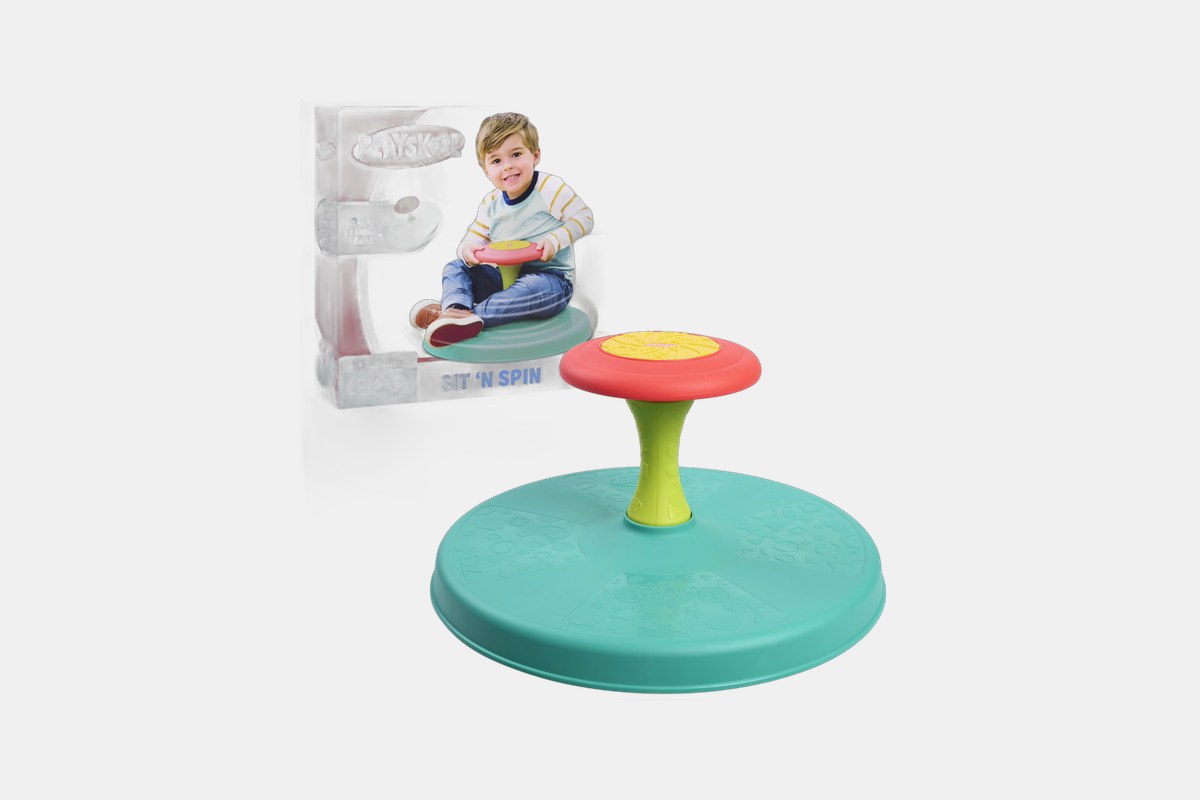
The classic Sit ‘n Spin is priced around $39. There’s a reason this toy has been around forever—it just works. It’s the perfect way for an energetic toddler to burn off steam indoors on a rainy day.
Kids control the speed by turning the wheel, which is great for building balance, coordination, and core strength. My niece will happily spin on this for a solid 10 minutes straight, giggling the whole time.
The Downside: It can be pretty loud on hardwood or tile floors. A small rug underneath helps dampen the noise.
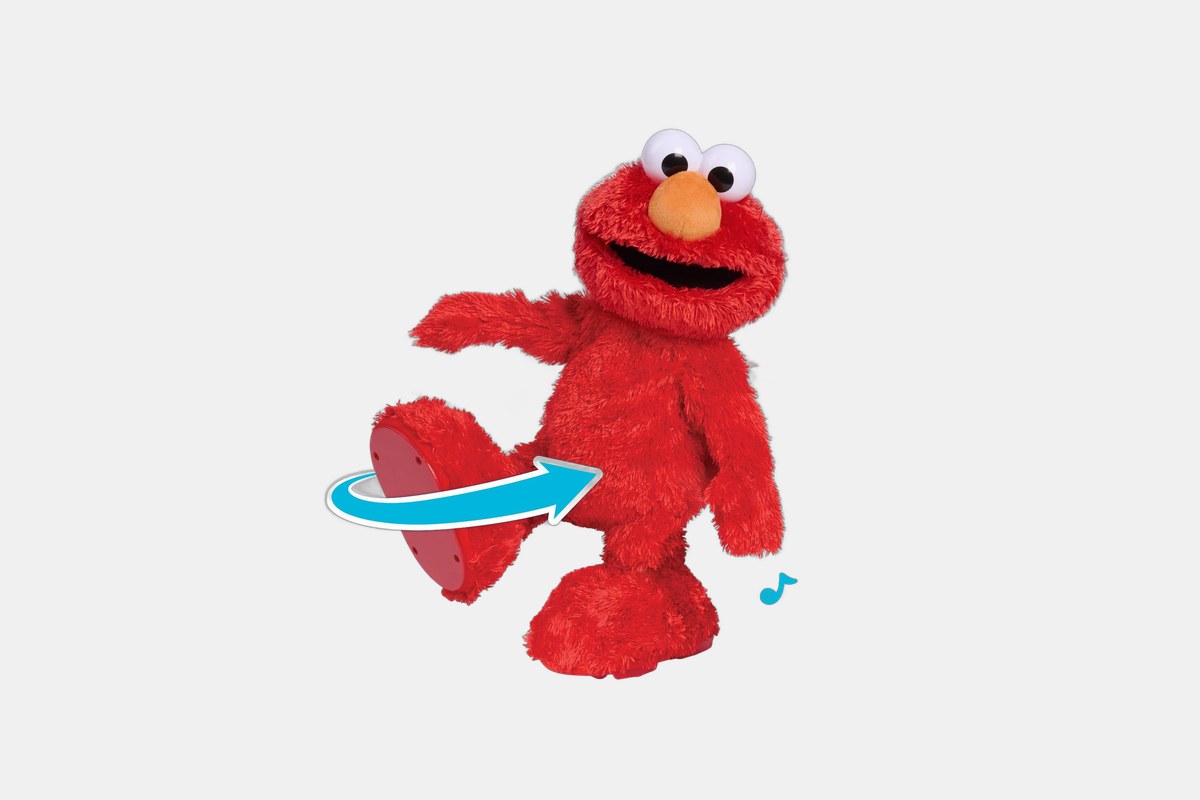
Elmo will set you back about $45. If you have an Elmo fan at home, this is a no-brainer. He sings, he dances, and he gets kids up and moving with the Hokey Pokey and freeze dance games.
I really appreciate the bilingual feature; you can switch between English and Spanish with a simple button press. It’s a fun way to introduce new words while getting the wiggles out.
The Downside: He’s all about the song and dance, so he needs batteries to do his thing.
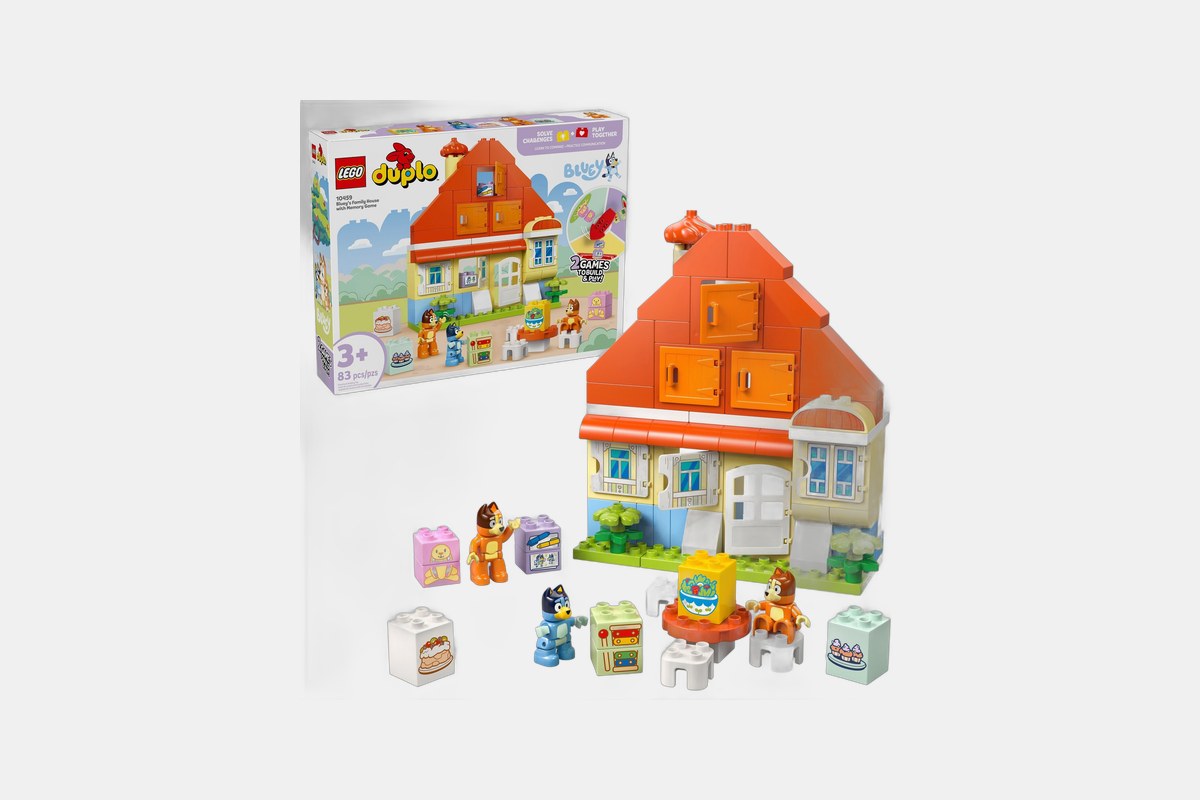
This Bluey set costs $70. It’s a slam-dunk for any kid who loves the show. The 83 Duplo pieces are easy for preschoolers to handle, and they can build the Heeler family house and act out their favorite episodes.
The built-in memory game is a cool bonus that adds another layer of play. My 4-year-old was so focused on building this, and it was great seeing her follow the instructions and then immediately start her own pretend games with the figures.
The Downside: Younger kids will probably need a parent’s help for the initial build, but after that, they’re good to go.
At just $20, this little grill packs a lot of fun. The magic is in the color-changing food. You just use a bit of cold water on the brush, and the “raw” side of the food flips to a “cooked” side. Our preschool testers were absolutely mesmerized.
It comes with all the accessories kids need to take orders, “cook,” and serve food in little to-go bags. It’s a great, compact toy for sparking imaginative kitchen play without taking up a ton of space.
The Downside: It relies on water for the color-change effect, so you’ll have to help refill the little water cup now and then.
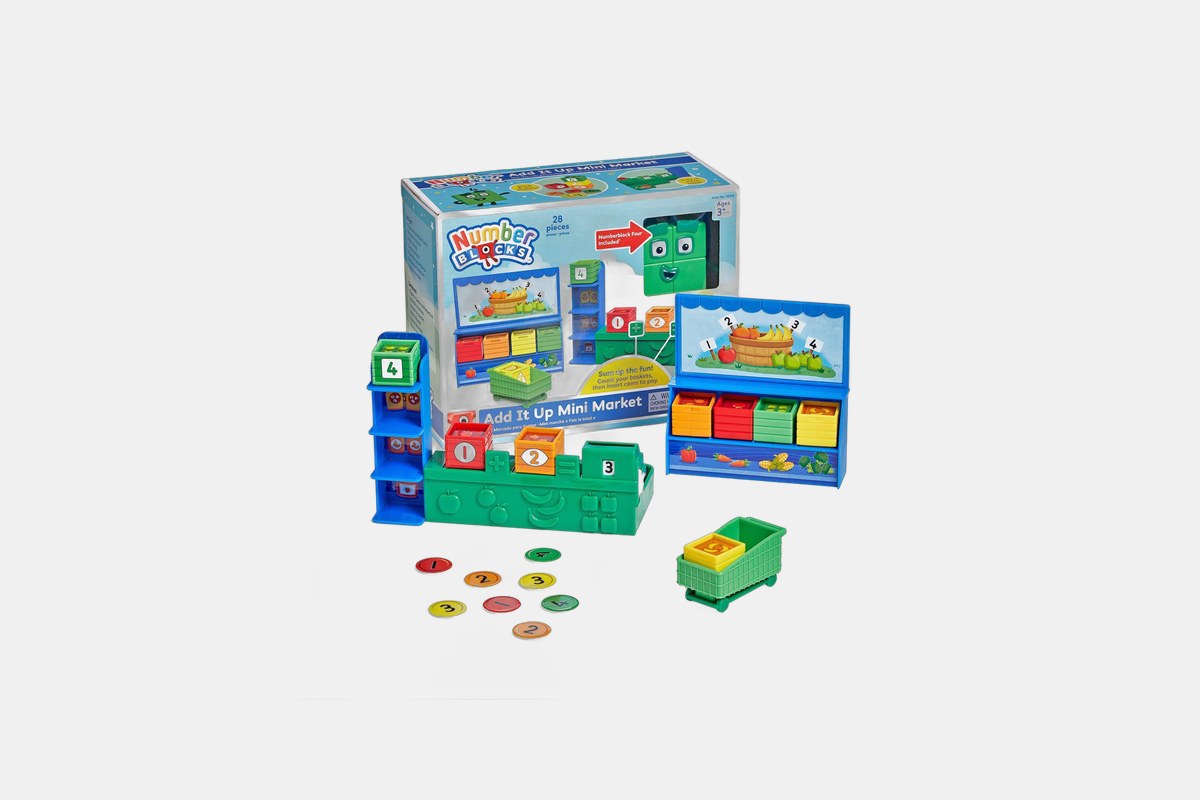
This Numberblocks market is a steal at $16. It’s an awesome, affordable toy for kids who are fans of the show. They can set up a little shop with Numberblock Four and practice counting and early addition.
My kids loved using the little cash register and shopping cart to buy the play food boxes. It’s a really engaging way to make basic math concepts feel like a game.
The Downside: The play is centered around the numbers 1 through 4, so it’s best for kids just starting their counting journey.
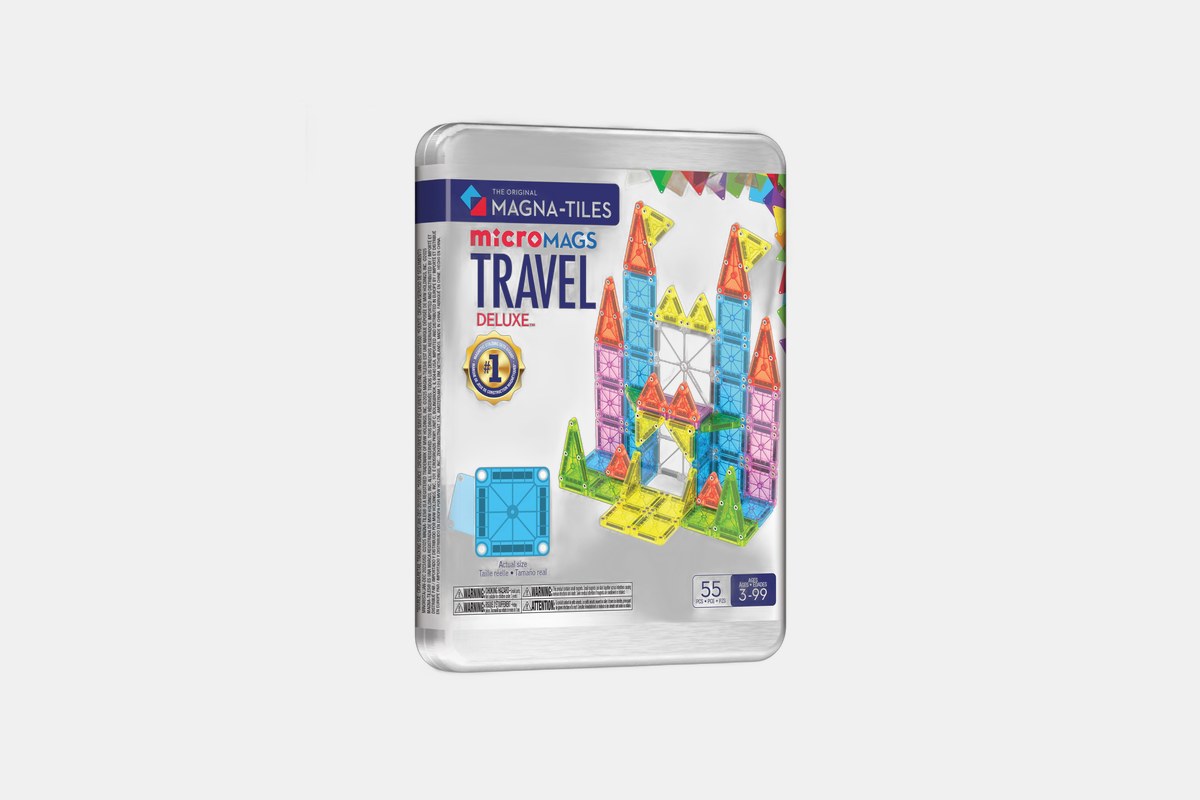
This portable Magna-Tiles set is $40. As a parent, I’m genuinely excited about this for our next plane trip. The whole 55-piece set packs neatly into a durable case, making it perfect for on-the-go building.
The micro-sized tiles are a fun twist on the classic, and they work with standard Magna-Tiles sets, too. It’s the same open-ended, creative construction play we love, just in a travel-friendly package.
The Downside: The pieces are much smaller than regular Magna-Tiles, so keep them away from kids under 3 who still put things in their mouths.
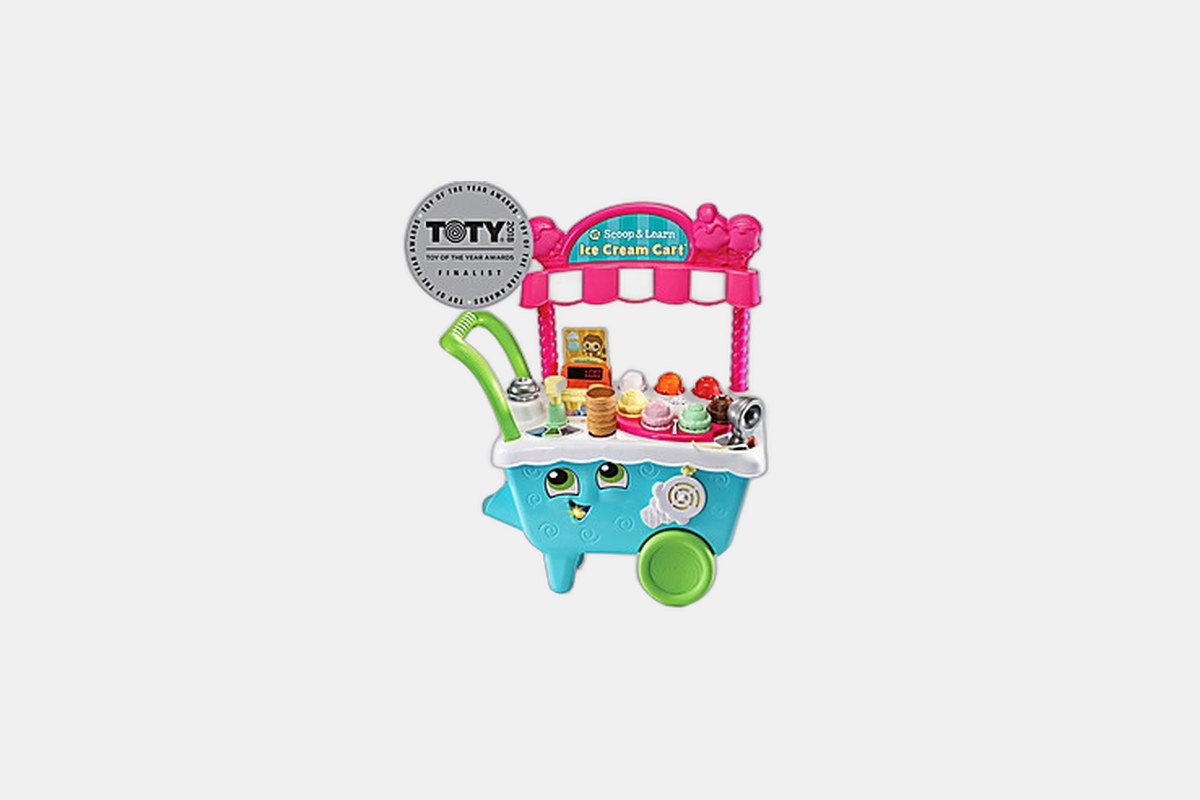
The popular ice cream cart goes for about $60. Kids use a magic scooper to pick up different ice cream flavors and toppings, following instructions on the order cards. It’s a sneaky way to teach colors, counting, and sequencing.
It’s also a push toy, which is great for active toddlers. This toy has a long lifespan; younger kids can just enjoy scooping, while older ones can focus on memory and matching the orders correctly.
The Downside: The cart’s songs and scooper require batteries to work.
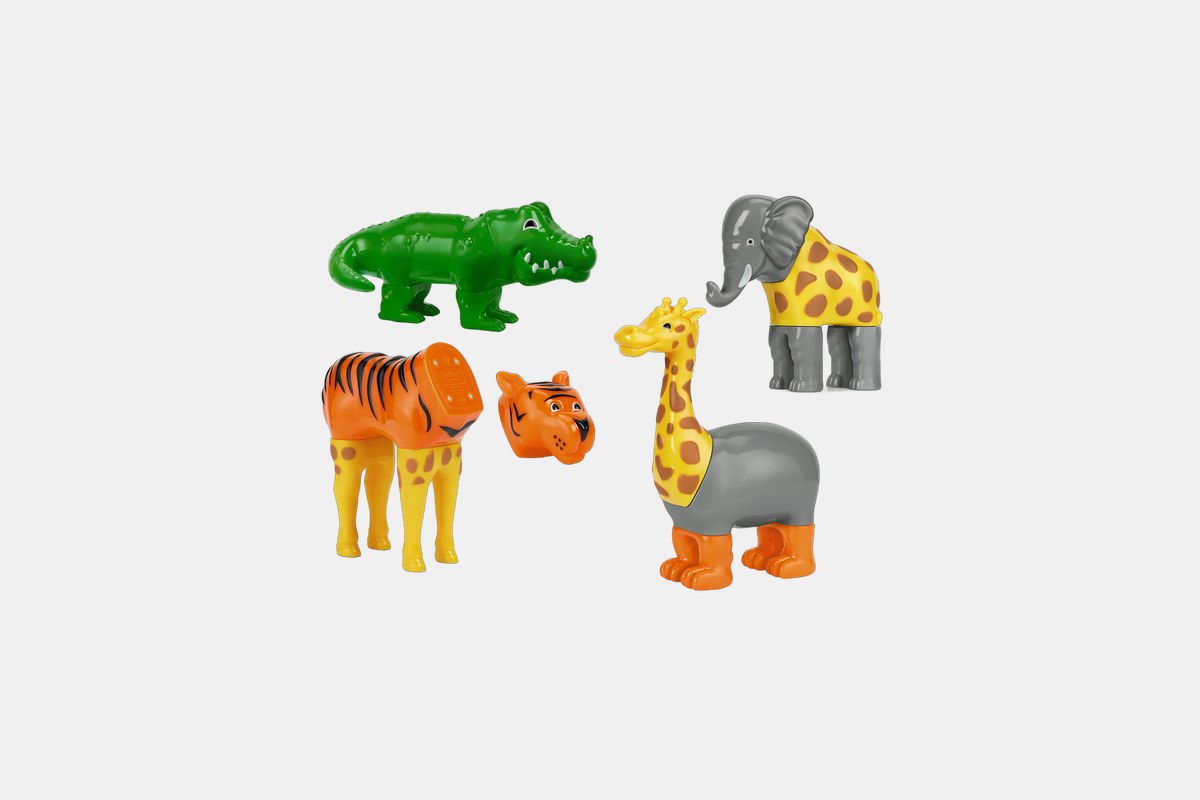
This magnetic animal set costs $35. The concept is simple and hilarious. Kids can mix and match the heads, bodies, and legs of different animals to create silly new creatures, like a “zephant” or a “girebra.”
The magnetic connections are strong, and the pieces are big and easy for little hands to manage. It’s a great conversation starter and encourages creative thinking while also teaching animal names.
The Downside: The set only comes with a few animals, so the combination possibilities are a bit limited.
Maggie the Cow is priced at $46. For the kid who is constantly asking for a pet, this is a pretty great substitute. She makes over 50 sounds and motions, responding to being petted and fed her bottle.
Her fur is soft, and she’ll even follow you around. Our testers treated her like a real baby, which was sweet to watch. It’s a solid toy for encouraging nurturing and imaginative play.
The Downside: She’s a fairly large toy, so make sure you have a spot to store her when she’s not being played with.
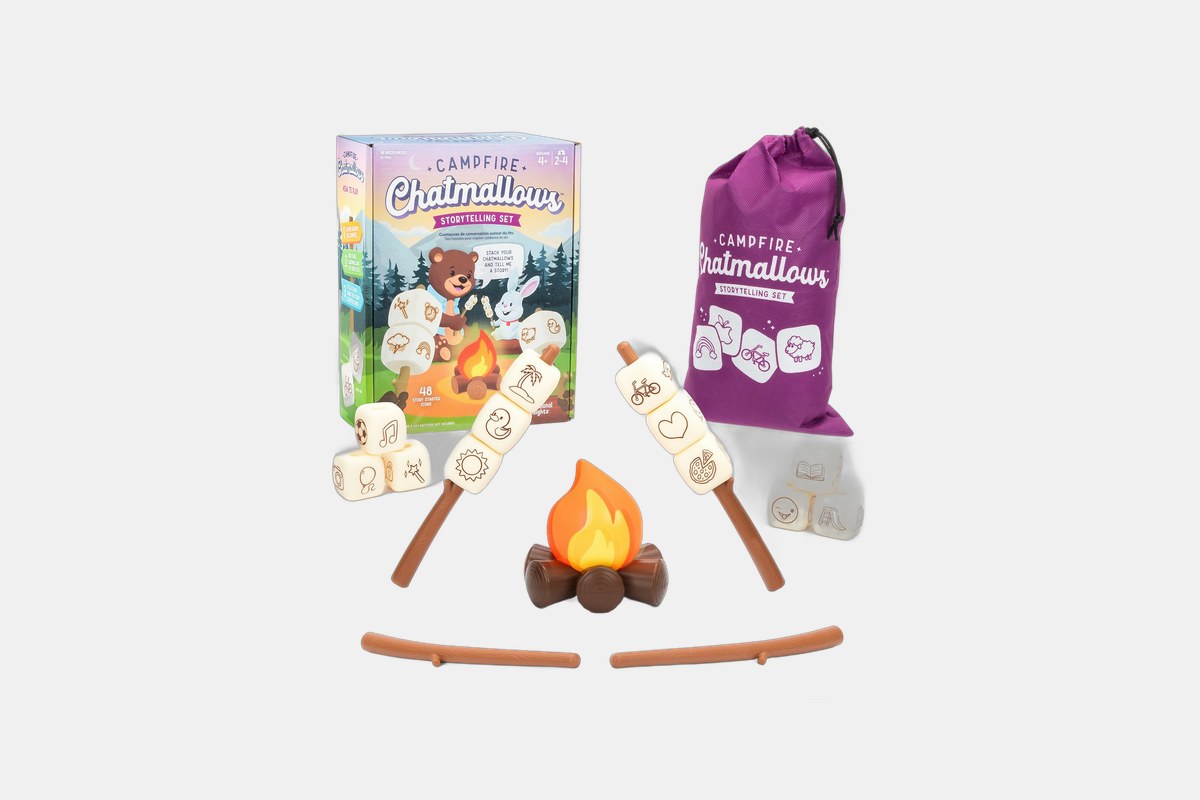
This creative storytelling game is about $24. You “roast” the four-sided marshmallows over the light-up campfire, and whatever image is facing up becomes a prompt for a story. It’s a really clever way to get kids’ imaginations going.
This was a huge hit on family game night. It encourages listening, creativity, and taking turns. It feels more like a fun activity than a structured game.
The Downside: It’s definitely more fun with two or more people, so it’s not the best for solo play.
Cooper the coding robot costs $90. This is a fantastic first step into the world of coding for young kids. There’s no screen involved; they just press the arrow buttons on Cooper’s head to program a path for him to follow.
He has sensors that let him follow black lines you draw or avoid objects in his path, which adds a cool interactive element. Kids get a real sense of accomplishment when they successfully program him to complete a task.
The Downside: It’s one of the more expensive toys on our list, making it a bigger investment.
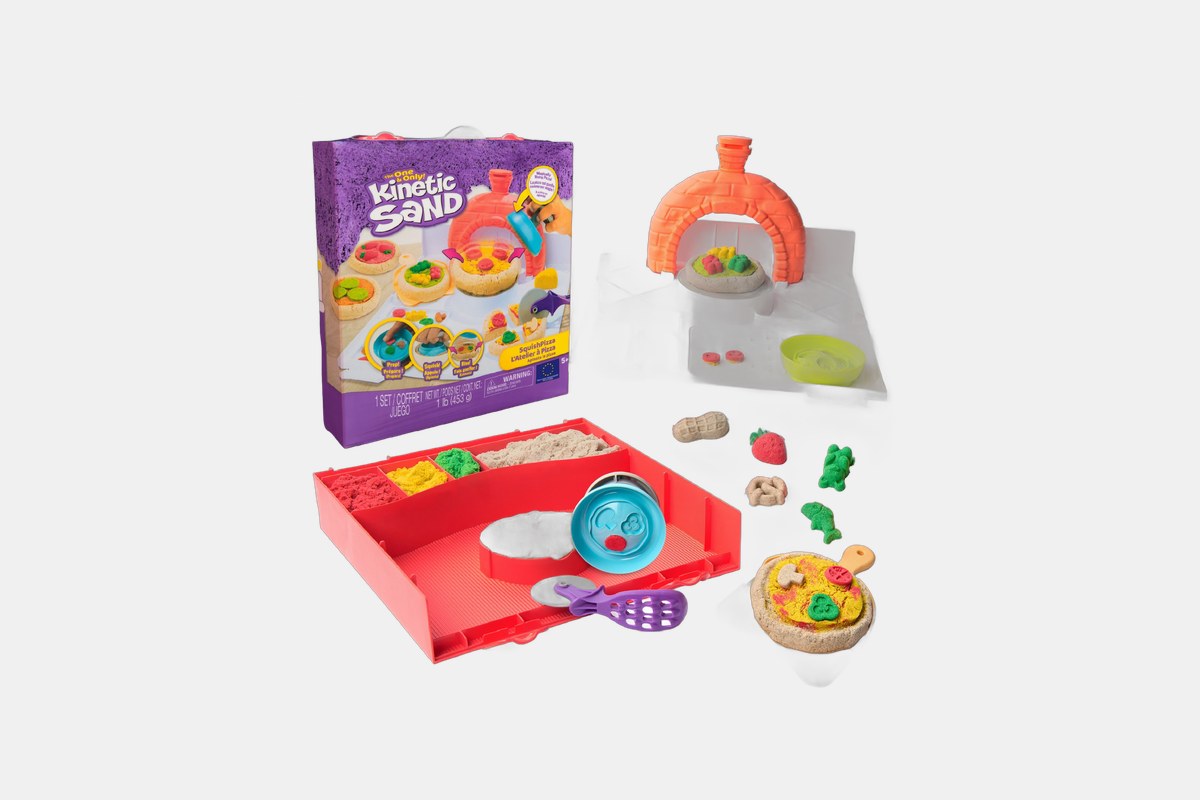
This Kinetic Sand pizza set is around $20. It combines sensory play with pretend cooking. Kids can use the four different colors of sand and the included tools to mold a crust, grate “cheese,” and add toppings to their own squishy pizza.
The tools feel surprisingly realistic, and the whole kit packs up into its own case for easy cleanup and storage. It’s a great tactile activity that keeps hands busy.
The Downside: If the lid isn’t closed tightly, the Kinetic Sand can dry out over time.
Finding a good learning toy isn’t about fancy electronics or promises to make your kid a genius. It’s about finding something that clicks with how they play. I always look for toys that are open-ended, meaning there’s more than one way to play with them. A set of blocks can be a castle, a car, or a spaceship.
Durability is huge. If a toy can’t survive a few drops or a toddler standing on it, it’s not worth the money. We look for sturdy plastic, solid wood, and parts that don’t feel flimsy. The toys that last are the ones that can be passed down.
Finally, I love a toy that grows with my kid. A toy that’s engaging for an 18-month-old and still fun for a 3-year-old provides incredible value. It means you’re not just buying something for a fleeting phase, but investing in years of play.
20 Best Minecraft Toys On Amazon
9 Best Baby Walking Toys
15 Best CoComelon Toys
Where to Donate Toys: 9 Organizations That Accept Toys