12 Best Clear iPhone Cases
12 Best Clear iPhone Cases

Finding the best small television used to be a real chore. For years, manufacturers saved their best panel technology and gaming features for massive 65-inch and 75-inch screens, leaving those of us with apartments, dorms, or bedrooms in the lurch. If you wanted a compact TV, you were stuck with a dim, low-res panel and a clunky interface.
Thankfully, that’s changed. In 2026, you can get a 42-inch OLED with a 144Hz refresh rate or a 43-inch Mini-LED that gets blindingly bright. These small TVs aren’t just afterthoughts; they’re packed with the same high-end tech as their larger siblings. You just need to know where to look.
I’ve spent weeks testing these models in my office, using them for everything from 4K movie nights to fast-paced gaming sessions. I measured their brightness, checked their input lag, and lived with their smart TV software. Here are the best small TVs you can actually buy right now.
At $899, the LG C5 is the small TV I recommend to most people. It’s the complete package, delivering the stunning picture quality that only an OLED panel can. Blacks are truly black, not a hazy gray, which makes colors pop right off the screen. It’s an incredible experience for movies, especially with its Dolby Vision support.
But it’s also a monster for gaming. You get a native 144Hz refresh rate and HDMI 2.1 across all four ports, meaning you can hook up a PS5, Xbox Series X, and a PC and get VRR on all of them. The response time is nearly instant, so there’s zero blur in fast-moving scenes. For a small room, this is as close to perfect as it gets.
The Downside: While perfect for dark or moderately lit rooms, it doesn’t get as searingly bright as an equivalent Mini-LED TV. If you’re placing it directly opposite a sunny window, glare could be an issue.
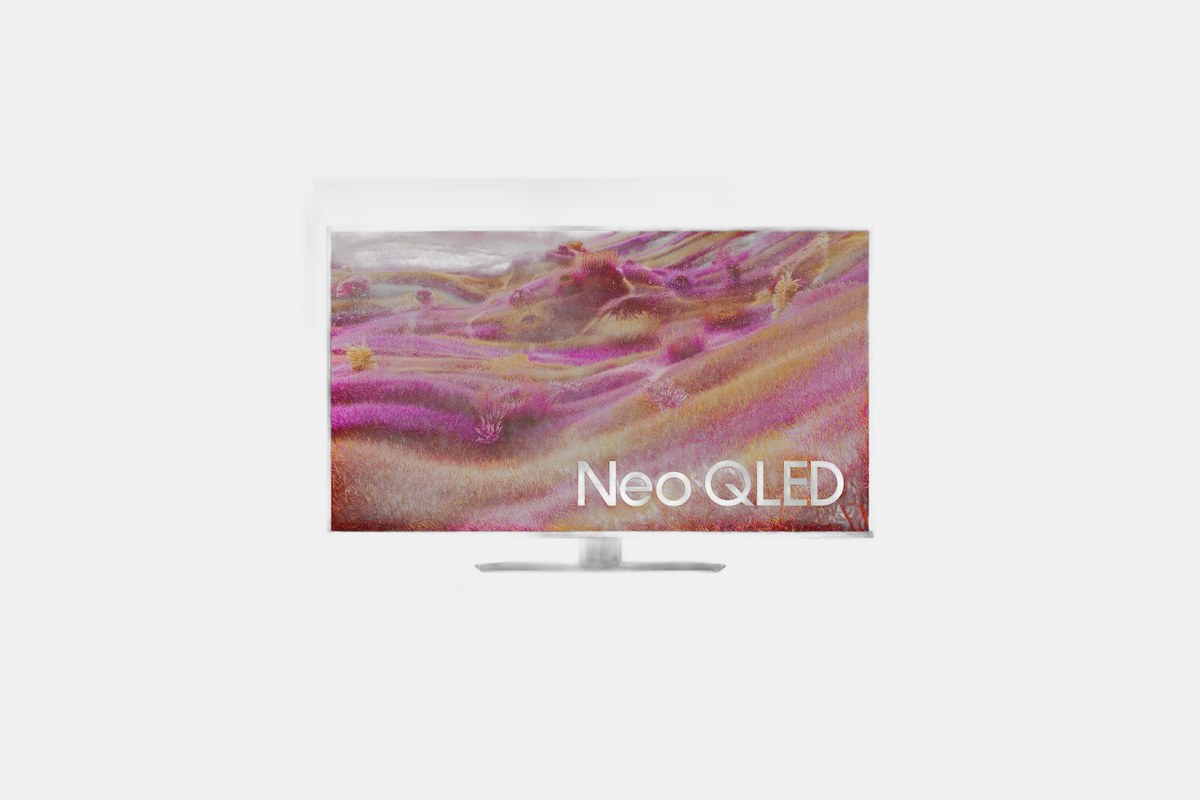
If your room is flooded with light, the Samsung QN90F is your answer for about $900. This TV is an absolute torch, using a Mini-LED backlight and Quantum Dot filter to push out some of the brightest images I’ve ever seen on a TV this size. Its anti-reflection screen is also top-tier, muting reflections that would wash out other sets.
It’s a fantastic choice for watching sports, where that brightness makes the field look vibrant and clear. Gamers will love the 165Hz refresh rate and VRR support. The local dimming does a great job of improving contrast, giving you deep blacks that come surprisingly close to OLED.
The Downside: The viewing angle is just average. If you’re sitting off to the side, you’ll notice the colors and contrast start to fade. It looks its best from straight on.
For just $550, the LG B5 delivers that incredible OLED contrast for a lot less cash than the C5. Yes, it’s a slightly larger 48-inch panel, but it’s often priced so aggressively it competes directly with smaller LED TVs. You still get those inky, perfect blacks and vibrant colors that make movie night feel like a real home theater.
LG didn’t skimp on the gaming features, either. It has a 120Hz panel and four HDMI 2.1 ports with VRR support, so it’s fully ready for modern consoles. The input lag is super low, and the response time is just as fast as its more expensive sibling.
The Downside: Its main weakness is brightness. It’s noticeably dimmer than the C5, especially when watching regular cable or streaming shows in SDR. It really needs a darker room to shine.
Finding a good 32-inch TV is tough, but the Samsung Q60D, at $400, is the best I’ve tested. It’s one of the few models at this size to offer a full 4K resolution, and the picture quality is surprisingly decent. The QLED panel provides punchy, vibrant colors, and Samsung’s Tizen smart OS is quick and easy to use.
This is the perfect small television for a kitchen, office, or small bedroom where anything larger would feel overwhelming. The upscaling is solid, so even 1080p content looks sharp. It’s a huge step up from the 720p junk that usually populates this size category.
The Downside: It doesn’t handle reflections well at all, so keep it away from windows. It’s also a basic 60Hz panel with no VRR, so it’s not a great choice for serious gaming.
If you just need a functional small screen TV without breaking the bank, this Hisense is a steal at $170. For that price, you’re getting a 43-inch 4K panel with both Dolby Vision and HDR10+ support, which is almost unheard of. The built-in Fire TV platform gives you access to every streaming app you could want.
No, the picture quality won’t compete with the models above, but it’s perfectly fine for casual viewing. Colors are decent, and it gets bright enough for most rooms. It’s a fantastic value for a guest room or a first apartment.
The Downside: There’s no local dimming, so blacks look more like dark gray, especially in a dark room. The overall picture is a bit flat compared to more expensive sets.
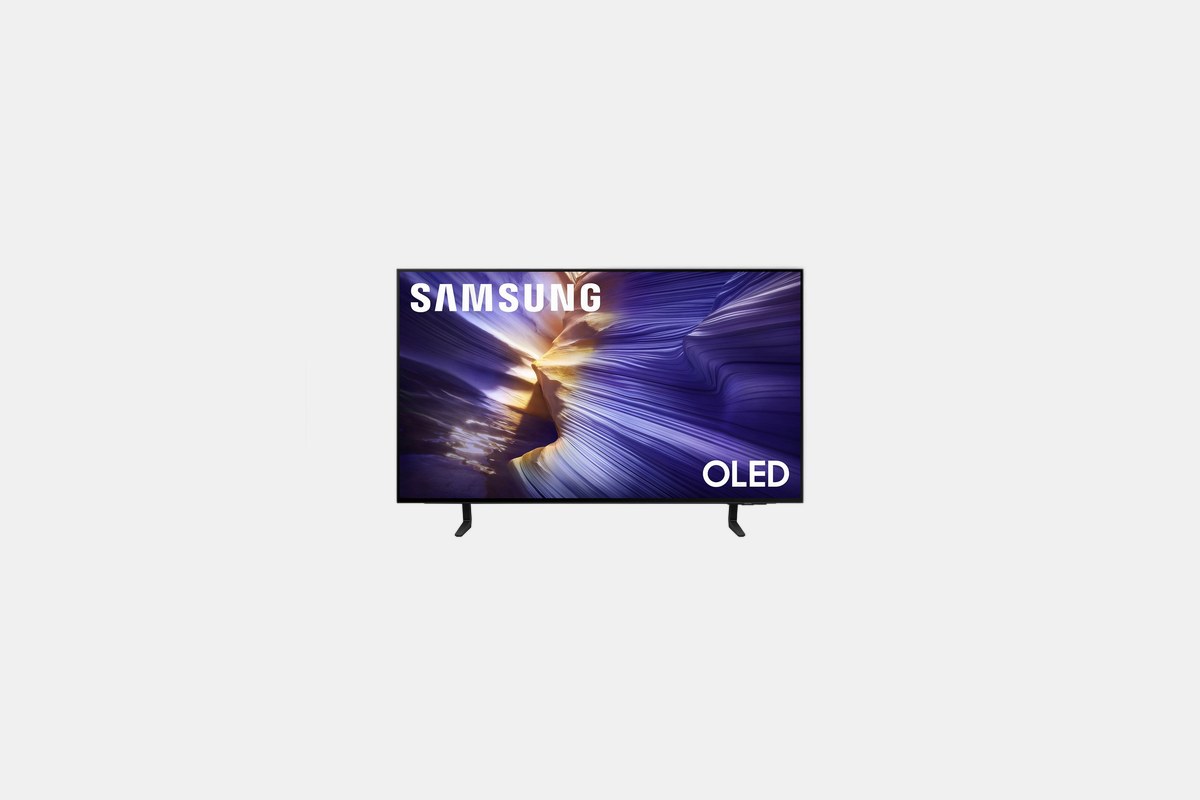
At $1000, Samsung’s S90F is the main alternative to the LG C5 in the premium small OLED space. It uses a WOLED panel (the same type LG uses) in this 42-inch size and delivers a beautiful, vibrant picture with all the contrast benefits you’d expect. It’s another fantastic pick for gaming, with a high refresh rate and Samsung’s slick Tizen OS.
It gets a bit brighter than the LG, which might give it the edge in rooms with more ambient light. The design is sleek, and the feature set is robust for anyone who wants a high-end experience in a compact package.
The Downside: The larger versions of the S90F use a more advanced QD-OLED panel with better colors, so this 42-inch model isn’t quite the same. It also lacks support for Dolby Vision, which is a key HDR format.

For gamers on a budget, the TCL QM6K is an easy recommendation at just $250. The headline feature is its native 144Hz refresh rate, something you typically only find on much more expensive TVs. Hook up a gaming PC, and you’ll get incredibly smooth motion.
The Mini-LED backlight provides good brightness and color, making games look dynamic and punchy. It runs on the Google TV platform, which is my personal favorite for its content recommendations and snappy performance.
The Downside: The smaller sizes of this model, including the 43-inch, aren’t as bright as the larger versions. It’s good, but not the powerhouse brightness you might expect from the reviews of the 65-inch model.
Priced around $800, the Hisense U8QG series continues to impress. This TV is a brightness monster, leveraging its Mini-LED backlight to deliver HDR highlights that really pop, even in a sun-drenched living room. Color saturation is fantastic, making it a great choice for watching animated movies or vibrant nature documentaries.
It’s built on the Google TV platform, offering a clean interface and great smart features. For anyone prioritizing raw brightness over OLED’s perfect blacks, this is a compelling alternative to the Samsung QN90F.
The Downside: Finding this TV in the 43-inch size can be a challenge. Availability is often limited, with Hisense focusing more on its larger, more popular sizes.
When you just need a cheap, simple TV that works, the $120 Roku TV is the answer. The Roku operating system is the star here—it’s incredibly fast, simple to navigate, and has every streaming app you could possibly need. The included voice remote makes finding something to watch a breeze.
It’s the perfect mini TV for a workshop, garage, or kid’s playroom. The picture is basic, but it gets the job done for casual viewing without any fuss.
The Downside: The resolution is only 720p, which is low by 2026 standards. You will see pixels if you’re sitting close, and the overall feature set is extremely limited.
At $400, the TCL QM7K is a step-up model that offers excellent gaming performance. The QD-Mini LED panel has great local dimming, which means you get deep blacks and minimal blooming around bright objects. It also has a 4k @ 144Hz panel with VRR and low input lag, checking all the boxes for next-gen gaming.
It supports Dolby Vision for both movies and gaming, which is a nice touch at this price point. Overall, it’s a well-rounded TV that punches above its weight, especially for gamers who don’t want to spend a fortune.
The Downside: Like many TVs with this type of VA panel, the viewing angle is narrow. The picture looks best when you’re sitting directly in front of it.
This Samsung model, at $500, is for the person who wants the absolute best picture quality possible in a 32-inch size, and is willing to pay for it. It packs Samsung’s QLED technology into a tiny 4K panel, delivering excellent color and brightness for its class. It’s a true smart TV with the full Tizen OS, not a stripped-down version.
If you’re looking for a premium small television to use as a high-end monitor or for a luxury bedroom setup, this is one of the only options that doesn’t compromise on performance at this size.
The Downside: It is very expensive for a 32-inch TV. You can get a much larger, and frankly better, 43-inch TV for the same price or less.

Okay, the LG OLED Flex is a bit of a gimmick, but it’s an incredibly cool one. For an eye-watering $2000, you get a 42-inch OLED TV with the same excellent picture quality as LG’s other models, but with a unique trick: the screen can physically bend from flat to a curved position with the press of a button.
This is aimed squarely at hardcore gamers who want an immersive, curved experience for their desk setup but also want a flat screen for watching movies. The underlying panel is fantastic, with all the gaming features you could want. It’s an amazing piece of engineering.
The Downside: The price is absurd. It offers no real picture quality advantage over the LG C5, so you’re paying over a thousand dollars extra for the bending mechanism. It’s a niche product, not a good value.
Shopping for the best small television is no longer about accepting compromise. The biggest decision you’ll face is panel type. OLED TVs like the LG C5 offer perfect black levels and infinite contrast, which is amazing for movies in a dark room. But LED TVs, especially those with Mini-LED backlights like the Samsung QN90F, get much brighter and are better at fighting glare in a sunny room.
Resolution is another key factor. At this point, 4K is the standard, even down to 32-inch sizes. I wouldn’t recommend buying a 1080p or 720p TV unless it’s for a secondary location and the budget is extremely tight. The extra sharpness of 4K is noticeable, even on a compact screen.
Finally, if you’re a gamer, don’t overlook the specs. Look for a TV with a 120Hz or 144Hz refresh rate and at least one HDMI 2.1 port. This enables features like Variable Refresh Rate (VRR), which prevents screen tearing and makes gameplay feel much smoother on a PlayStation 5, Xbox Series X, or modern PC.
12 Best Clear iPhone Cases
Top 8 Neckband Earbuds
7 Best Crossbody Phone Cases
Best Toddler Cameras